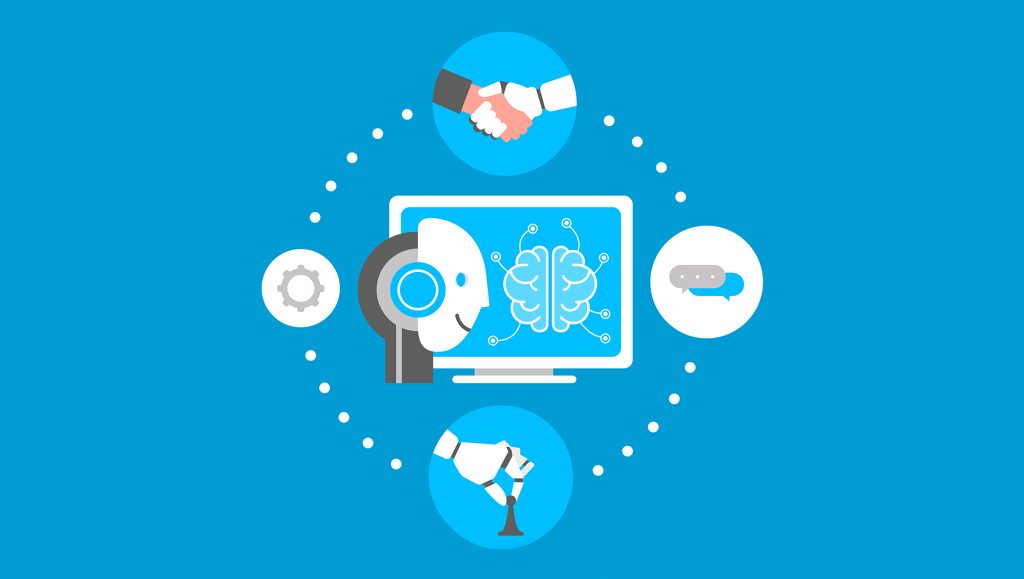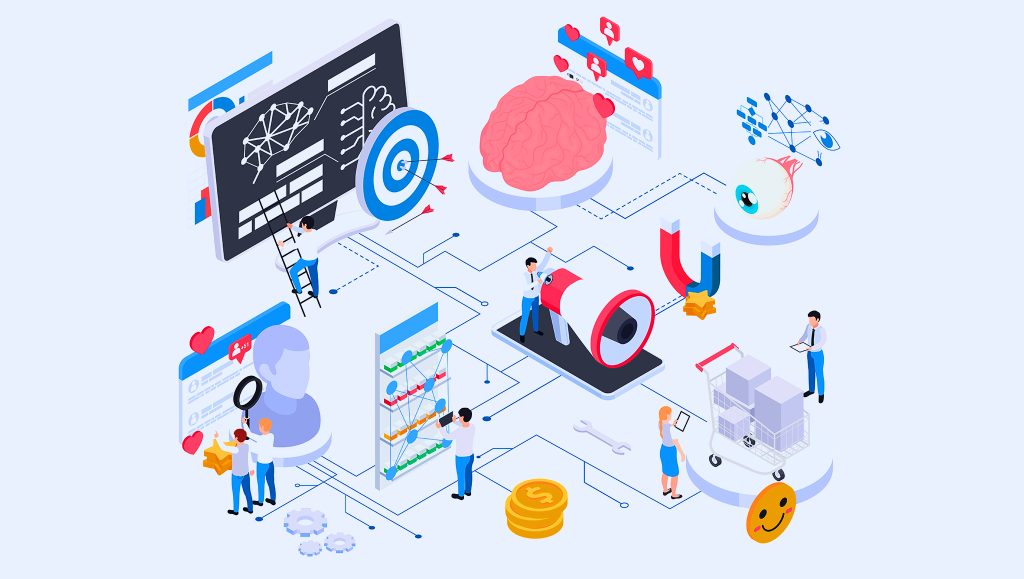
The sales industry is entering a new phase where technology is no longer focused only on tracking customer behavior or automating repetitive workflows. Modern enterprises are increasingly exploring systems capable of understanding emotions, cognitive patterns, and psychological responses during commercial interactions. This evolution is giving rise to neuroadaptive salestech, where artificial intelligence analyzes emotional and behavioral signals in real time to improve customer engagement and personalization.
Traditional sales models primarily relied on demographics, customer history, and behavioral analytics to guide engagement strategies. While these methods improved targeting and personalization, they often lacked emotional context. Businesses could identify what customers purchased or clicked on, but they struggled to understand how customers felt during interactions. Today, advances in AI, biometric technologies, and affective computing are changing this dynamic. Neuroadaptive salestech introduces the possibility of emotionally intelligent systems capable of adapting sales experiences according to customer mood, attention, stress levels, and engagement patterns.
The rise of emotion-aware AI systems is transforming how organizations approach enterprise selling. AI-powered conversational platforms can now analyze voice tone, facial expressions, communication patterns, and sentiment indicators to interpret emotional responses during customer interactions. These technologies allow businesses to adjust messaging, recommendations, and engagement strategies dynamically. As a result, salestech is evolving beyond static personalization toward highly adaptive and context-aware customer experiences.
Wearable devices and biometric sensors are also contributing to the growth of neuroadaptive salestech ecosystems. Smartwatches, eye-tracking systems, and physiological monitoring technologies can provide insights into stress, attention, emotional reactions, and cognitive engagement. Combined with AI-driven analytics, this data allows businesses to create more personalized and emotionally responsive communication strategies.
For example, a sales platform may detect hesitation during a product demonstration and automatically adjust the presentation style or provide additional information. Customer support systems may recognize frustration in voice patterns and prioritize empathetic communication responses. These real-time adaptations create more engaging and personalized customer experiences while improving sales effectiveness.
Another important development is the integration of AI-powered emotional intelligence into enterprise communication platforms. Intelligent sales assistants are becoming capable of analyzing conversational tone and customer sentiment during calls, meetings, and digital interactions. This enables sales professionals to receive real-time recommendations and coaching during customer conversations. In this environment, salestech acts not only as an automation tool but also as a psychological intelligence system supporting more effective engagement.
However, the growth of neuroadaptive selling also introduces major ethical and privacy concerns. Emotional analytics and biometric monitoring involve highly sensitive personal information. Businesses must ensure transparency, informed consent, and responsible data usage when implementing emotionally intelligent technologies. Consumers are becoming increasingly aware of digital surveillance risks, and organizations must balance personalization with ethical responsibility.
The future of salestech will likely depend on combining AI-driven emotional intelligence with strong governance frameworks. Businesses that use neuroadaptive systems responsibly may gain a competitive advantage through deeper customer understanding and more meaningful engagement. At the same time, organizations must avoid manipulative practices and ensure customers retain trust and control over their personal data.
Ultimately, neuroadaptive salestech represents the next evolution of personalized enterprise selling. By integrating emotional intelligence, cognitive analysis, and AI-driven adaptation into customer interactions, businesses may fundamentally reshape how sales relationships are built in the digital economy.
Understanding Neuroadaptive Salestech
The future of enterprise selling is quickly moving past the traditional customer segmentation and behavior analytics. Now companies are looking at systems that can interpret emotional responses, cognitive engagement and psychological behavior in real-time. This shift is driving the rise of neuroadaptive salestech, a new category of intelligent sales technology that personalizes customer interactions with emotional and cognitive intelligence.
Neuroadaptive salestech is different to traditional CRM systems which focus on demographics and purchase history; it’s about how customers feel, respond and engage in a sales interaction. These systems, which leverage AI, biometric analytics, conversational intelligence and behavioral monitoring, can dynamically adapt communication strategies to craft more responsive and personalized experiences.
What is Neuroadaptive Salestech?
Neuroadaptive salestech is sales technology that uses artificial intelligence to analyze emotional and cognitive signals to optimize the customer experience in real time. These technologies use behavioral data, sentiment analysis, biometric indicators, and conversational intelligence to tailor engagement strategies according to customer responses and psychological states.
Traditional personalization methods are typically based on static customer profiles or historical purchase patterns. Neuroadaptive engagement, however, is much more dynamic. Rather than just learning what customers like, these systems are always monitoring emotional reactions and mental engagement during conversations, presentations or digital interactions.
For example, AI-powered sales systems could detect hesitation, stress, excitement or confusion during a product demonstration and immediately adjust speaking styles or recommendations. This ability to adapt in real time allows businesses to create more emotionally intelligent customer experiences powered by advanced salestech capabilities.
Another important characteristic of neuroadaptive systems is continuous learning. Artificial intelligence models analyze current customer interactions and improve the ways to engage with them over time. This makes personalization more context-aware and behavior-driven rather than being dependent on static historical data.
Evolution of Sales Intelligence
Neuroadaptive salestech is part of a larger evolution in enterprise sales intelligence. Traditional CRM systems were primarily built to store customer information, track sales pipelines and manage communication workflows. These systems were efficient in operations but did not provide much insight into the emotional or psychological understanding of the customer.
Sales intelligence took another step forward with the addition of predictive analytics and behavioral targeting. Companies started using AI-enabled systems to analyze browsing behavior, purchase history, and customer activity patterns to improve personalization and lead scoring.
Conversational AI also enhanced sales intelligence by allowing automated customer engagement via chatbots, virtual assistants, and intelligent recommendation systems. These technologies improved efficiency, but didn’t have deeper emotional awareness.
Today, neuroadaptive salestech is bringing enterprise selling into emotionally responsive ecosystems. AI systems can now analyze voice tone, facial expressions, sentiment indicators and engagement behavior to understand customer emotions in real time.
This is a large leap away from static customer profiles into adaptive psychological engagement. Neuroadaptive systems don’t view customers as static data segments; they recognize that emotional states and cognitive responses are in flux during interactions.
As a result, companies can customize engagement based on not just customer history but also real-time emotional and behavioral feedback.
Core Principles of Neuro-Adaptive Selling
Neuroadaptive salestech systems are based on several core principles. One of the most important skills is the ability to recognize emotional state. AI platforms can analyze speech patterns, tone variations, facial expressions, and behavioral signals to detect emotional responses such as interest, frustration, uncertainty, or excitement.
Another important part is the analysis of cognitive load. Neuroadaptive systems try to gauge how much information customers are processing and whether they’re getting overloaded or tuning out. It helps businesses to optimize the timing of communications and content delivery.
Adaptive messaging is a key element of emotionally intelligent selling. AI systems can tailor sales presentations, recommendations, and conversational approaches in real-time, based on customer reactions.
Neuroadaptive salestech capabilities are further enhanced through continuous feedback loop optimization. AI platforms learn constantly from customer interactions, refining personalization models and engagement strategies over time.
These principles are guiding businesses toward more responsive, human-centric sales experiences where communication is constantly adapting to emotional and cognitive cues.
Technologies Powering Neuroadaptive Sales
The new generation of sales technology is neuroadaptive, using artificial intelligence, biometric monitoring, affective computing, and real-time behavioral analytics. These technologies collectively constitute emotionally intelligent ecosystems that can sense and respond to human psychological behavior during enterprise interactions.
Artificial Intelligence and Machine Learning
Today’s neuroadaptive salestech systems are based on artificial intelligence and machine learning. Artificial intelligence models analyze vast amounts of behavioral and emotional data to identify patterns, predict customer reactions, and improve engagement strategies.
Machine learning algorithms learn from ongoing customer interactions and improve over time. The more conversations and behavioral signals these systems process, the more accurate they become at interpreting emotional states and predicting engagement outcomes.
With AI-powered predictive engagement optimization, companies can know when is best to engage, what kind of messaging styles to use and how to engage. Neuroadaptive systems are based on real-time customer behavior and dynamically adapt the experience, rather than generalized assumptions.
Another key capability is automated adaptation. AI-enabled salestech platforms can immediately adapt product recommendations, sales presentations, and communication flows based on emotional feedback and engagement patterns.
a) Affective Computing
One of the key technologies behind affective computing is neuroadaptive selling. This area is about enabling machines to recognize, understand, and respond to human emotions.
Emotion-recognition systems analyze tone of voice, facial expressions, speech patterns and behavioral cues during customer interactions. AI models can detect emotional states like stress, confusion, excitement, hesitation, or dissatisfaction in real time.
Sentiment-detection technologies are increasingly being embedded into enterprise salestech platforms. AI systems can assess emotional tone in sales conversations and customer support interactions, providing insights that enable sales professionals to more effectively adapt their communication strategies.
Real-time emotional feedback systems also enable businesses to enhance customer engagement by reacting immediately to emotional changes. For instance, if a customer seems frustrated during a digital interaction, AI systems might automatically make messaging easier or provide additional help.
Affective computing is transforming the way companies sell, making AI systems more emotionally intelligent and responsive.
b) Wearable and Biometrics Sensors
Biometric monitoring technologies are increasingly important in the neuroadaptive salestech ecosystems. Physiological sensors and wearable devices can measure biometric indicators such as heart rate, stress levels, breathing patterns, and other measures of emotional and cognitive states.
Smartwatches, fitness trackers and biometric devices provide continuous streams of data that businesses can use to better personalize the customer experience. For example, in remote meetings, AI may be able to detect signs of stress or disengagement and tailor presentations accordingly.
Wearable technologies also enable emotion-aware engagement strategies by providing deeper insights into customer reactions beyond traditional behavioral analytics.
Key biometric capabilities are:
- Heart rate monitor
- Detecting stress
- Physiological feedback analysis
- Focus Tracking
- Assessing emotional response
The integration of biometric intelligence into salestech systems is creating highly personalized and psychologically responsive customer engagement models.
c) Natural Language Processing (NLP)
Natural Language Processing plays a key role in enabling neuroadaptive salestech systems to understand customer intent, emotional tone, and conversational context.
NLP enables AI systems to understand the semantic meaning of spoken or written language and emotional cues in how communication is delivered. AI can detect urgency, hesitation, frustration, enthusiasm or uncertainty when a customer is talking to it.
Context-aware conversational systems based on NLP enhance the interaction by dynamically adapting the dialogue during the interaction. AI assistants can respond with personalized responses, adjusting the tone of the conversation and customizing messaging approaches based on emotional input.
Adaptive dialogue generation is especially important in enterprise selling because customer needs and emotional states can shift rapidly over the course of negotiations and sales presentations. As NLP technologies advance in the future, salestech systems will be better equipped to autonomously manage emotionally intelligent conversations.
d) Attention Analytics and Eye Tracking
Eye-tracking technologies and attention analytics are also powering neuroadaptive salestech ecosystems. These systems track visual attention patterns to learn how customers engage with digital content, presentations, and advertisements.
Eye tracking systems can measure;
- Attention span
- Focus duration
- Visual engagement patterns
- Cognitive interest levels
- Response to content placement
Businesses use this information to optimize presentation design, improve digital experiences, and deliver content personalization more effectively. For instance, if customers are consistently losing interest during certain parts of a sales presentation, AI systems can automatically adjust the structure or prioritize more engaging information.
Attention analytics is another layer of behavioral intelligence that can help companies fine-tune communication strategies in emotionally adaptive salestech environments.
e) Brain Computer Interfaces Research
Brain-computer interface research is one of the most futuristic areas of development in neuroadaptive salestech, albeit still in its infancy. Brain-computer interfaces (BCIs) are designed to connect neural activity directly to digital systems.
Researchers are looking at how cognitive feedback systems might eventually support enterprise communication and personalized engagement. Further down the road, neuroadaptive platforms may be able to read cognitive signals for attention, stress or decision-making processes.
Potential future uses include:
- Cognitive engagement monitoring
- Direct emotional feedback systems
- Adaptive virtual sales environments
- Neuro-responsive customer experiences
- Brain-driven personalization systems
While widespread commercial use is still years away, research into BCIs points to the longer-term direction of emotionally intelligent salestech ecosystems. With the continued development of neurotechnology, AI, and biometric systems, we can anticipate neuroadaptive sales platforms to be progressively immersive, predictive, and psychologically responsive. These advances could revolutionize enterprise selling by developing real-time, emotionally intelligent engagement systems that can adapt continuously to human behavior and cognition.
Ethical and Privacy Issues
As neuroadaptive technologies begin appearing in enterprise communication and customer engagement systems, they raise significant ethical and privacy issues for businesses. Emotion-aware AI systems can analyze voice tone, facial expressions, behavioral patterns, biometric indicators, and cognitive signals to personalize interactions in real time. These capabilities provide powerful opportunities for personalization, but they also raise serious questions about surveillance, consent, manipulation, data protection, and ethical responsibility.
With emotionally intelligent salestech systems on the rise, organizations are being forced to reevaluate how customer data should be collected, interpreted, and used responsibly. Businesses that are implementing neuroadaptive engagement technologies will need to find a balance between innovation and personalization and transparency, trust and human-centered governance.
a) Emotional Surveillance Concerns
Emotional surveillance is one of the biggest ethical issues with neuroadaptive salestech. Emotion-sensitive systems are continuously tracking psychological and behavioral signals in customer interactions, which raises questions about the boundaries of monitoring and intrusive data collection.
AI-powered platforms can analyze:
- Facial expressions
- Speech patterns
- Emotional tone
- Stress levels
- Eye movement and attention behavior
- Biometric responses
While these capabilities help to improve personalization, many consumers may feel uneasy knowing that their emotional and cognitive responses are being tracked in real time.
The rise of emotional analytics also raises concerns about psychological profiling, where companies build detailed emotional and behavioral models of customers without users fully understanding or being aware. Consumers may view these systems as invasive, especially when emotional monitoring takes place passively in digital environments.
As more emotionally adaptive salestech ecosystems develop, organizations will need to deal with issues of surveillance culture and digital emotional monitoring. Businesses that fail to prioritize transparency may risk losing consumer trust and damaging brand reputation.
b) The Dangers of Over-Monitoring Emotions
A further major challenge is the risk of over-monitoring customers through continuous emotional analysis. Neuroadaptive systems are likely to collect large amounts of sensitive biometric and behavioral data, potentially resulting in environments where users are under constant observation.
Over-monitoring of emotion can result in:
- Consumer discomfort
- Reduced trust in digital platforms
- Psychological fatigue
- Fear of behavioral manipulation
- Resistance to AI-driven engagement systems
Customers may become more wary of engaging with companies that collect emotional data without clear boundaries or meaningful control mechanisms.
To implement salestech responsibly, businesses should establish ethical boundaries around emotional analysis and ensure that customers are aware of how emotional data is being used.
c) Consent and Transparency
A key aspect of ethical neuroadaptive salestech systems is transparency and informed consent. Businesses must be clear about when emotional, biometric or cognitive data is collected and the consequences that data will have on interactions with customers.
Traditional privacy policies are often inadequate for emotionally intelligent systems because many users may not fully understand the complexity of emotional AI technologies. Organizations need more user-friendly and transparent processes for consent that clearly explain:
- What emotional data is collected
- Why the data is needed
- How long data will be stored
- Who can access the information
- How AI systems use emotional insights
As businesses deploy neuroadaptive salestech solutions, the importance of ethical opt-in frameworks is growing. Customers should have the ability to choose if emotional monitoring features are turned on and should control their personal data.
“Transparency also builds trust with businesses around responsible AI practices. As consumers become more privacy-conscious, organizations that embrace transparency and ethical communication may have a competitive edge.
d) Security and Privacy of Data
Among the most sensitive challenges in the neuroadaptive salestech ecosystems is data privacy. Many emotional intelligence systems have access to highly personal data, including biometric data, emotional responses, cognitive behavior, and communication styles.
While standard customer data, such as email addresses or purchase history, can be easily replaced if compromised, biometric and emotional data are highly personal and difficult to replace.
Businesses have to protect:
- Emotional behavior records
- Voice and facial recognition data
- Cognitive engagement analytics
- Stress and physiological indicators
- Behavioral prediction models
The rise of emotional intelligence databases also raises concerns about cybersecurity. Hackers could use the attack to access highly sensitive psychological data of emotionally adaptive systems, potentially leading to serious privacy violations and reputational damage.
For organizations implementing neuroadaptive salestech, the investment should be significant in:
- Data encryption
- Secure cloud infrastructure
- Multi-layered access controls
- Continuous cybersecurity monitoring
- AI governance and compliance systems
Strong security architectures are needed to protect emotional and biometric data and to maintain customer trust.
e) Manipulation and Psychological Influence
One of the most contentious aspects of neuroadaptive salestech is the possibility of psychological manipulation. Emotion-aware AI systems are designed to understand the customer’s emotions and adapt the communication strategy accordingly. But those same capabilities could be used to affect purchasing behavior in ethically questionable ways.
If AI systems exploit emotional vulnerabilities like stress, anxiety, insecurity or impulsiveness, businesses can be criticised.
Possible risks of manipulation are:
- Emotionally targeted persuasion tactics
- Exploiting vulnerable psychological states
- Excessive behavioral influence
- Manipulative urgency creation
- Emotion-driven purchasing pressure
The challenge for organizations is to ensure that neuroadaptive engagement is supportive and helpful, not coercive or exploitative. Ethical salestech strategies should seek to enhance customer understanding and experience, not to maximise emotional influence for short-term commercial gain.
f) Algorithmic Bias and Emotional Misreading
AI systems don’t always correctly interpret the emotional and cognitive signals. A lot of emotional intelligence technologies are based on machine learning models that are trained on specific datasets, which may be culturally, demographically, or behaviorally biased.
As such, emotional responses across different populations, communication styles or cultural contexts might be misinterpreted by neuroadaptive salestech systems.
Potential risk of bias:
- Misreading emotional expressions
- Misunderstanding of communication patterns (cultural)
- Demographic bias in sentiment analysis
- Unequal personalization experience
- Misleading predictions of behaviour
For example, AI systems trained on data from one demographic group might misread emotional cues from people with different ways of communicating or cultural norms. Bias in emotional AI systems can hurt customer relationships while raising fairness and inclusivity issues. Companies need to regularly audit their AI models, diversify training datasets, and ensure emotionally adaptive systems are fair and accurate for all audiences.
g) Regulatory and Governance Issues
Government and regulatory organizations around the world are beginning to grapple with the ethical implications of emotional AI, biometric analytics and neuroadaptive technologies. Upcoming rules governing AI, privacy safeguards, and the handling of biometric data will likely influence the future of neuroadaptive salestech.
Organizations that deploy emotionally intelligent systems must be ready for changing compliance requirements around:
- AI transparency
- Emotional data consent
- Biometric information storage
- Consumer rights and data access
- Automated decision-making accountability
As emotional AI technologies are increasingly adopted, the balance between innovation and the responsible use of psychological data will be ever more important. Businesses that proactively establish ethical governance frameworks may be better positioned to navigate future regulatory environments while maintaining consumer trust.
Human + AI Collaboration in Neuroadaptive Selling
Although there have been substantial advances in emotional AI and adaptive automation, humans are still required in neuroadaptive selling environments. Data-driven systems with emotional intelligence can analyze information, recognize patterns, and optimize communication strategies. However, the human element of empathy, creativity, ethical judgment, and trust-building remains crucial in enterprise sales and customer engagement.
We can expect that the future of neuroadaptive salestech will be a combination of smart AI systems and human professionals working together in hybrid engagement ecosystems.
a) AI as an Emotional Intelligence Partner
One of the most valuable uses of neuroadaptive AI is as an emotional intelligence assistant for salespeople and customer engagement teams. AI systems can analyze emotional signals in real time and provide insights that help employees communicate more effectively.
AI-powered salestech systems can spot:
- Customer hesitation
- Frustration or stress
- Engagement levels
- Confidence indicators
- Emotional tone changes
These insights help make better decisions during real-time customer interactions.
For instance, AI assistants could recommend slowing down presentations, simplifying explanations, or altering conversational tone based on emotional feedback detected during meetings or sales calls.
They do not replace human professionals but support them. Emotionally intelligent AI systems improve the quality of communication while keeping the authentic human interaction.
b) Human Judgment and Oversight
Human intervention is still required for the ethical and responsible functioning of emotionally adaptive systems. AI-driven personalization systems can automatically optimize engagement strategies, but businesses still need human professionals to monitor outcomes and prevent manipulative practices.
The human governance tasks include:
- Evaluating AI-generated suggestions
- Ensuring compliance with ethical standards
- How to escape psychological manipulation
- Assessing fairness and bias risks
- Handling customer-sensitive interactions
As salestech systems become more emotionally intelligent, ethical judgment and accountability become more important in customer engagement operations.
Organizations need to take action to ensure humans remain in control of emotionally adaptive systems, and that AI doesn’t begin to operate independently in high-impact commercial interactions.
c) Building relationships beyond automation
While AI systems can be very good at analyzing data and optimizing workflows, human empathy and trust are still important in enterprise relationships. Emotional intelligence is not just about recognizing patterns of sentiment but real understanding, empathy and emotional connection.
Human professionals continue to be at the core of:
- Establishing long-term customer trust
- Managing difficult negotiations
- Conflict management
- Recognizing emotional nuance
- Building genuine connections
AI-powered salestech systems can support analysis and personalization of communication, but human employees still need to maintain meaningful relationships with customers. This balance of automation and human touch will be the defining characteristic of the future of emotionally intelligent enterprise engagement.
d) Neuroadaptive Sales Teams: a Hybrid Approach
The future of enterprise selling will likely see hybrid neuroadaptive sales teams in which AI systems and human professionals collaborate continuously.
In these situations:
- AI analyzes emotional signals
- Humans manage strategic communication
- AI optimizes personalization
- Humans build trust and empathy
- AI provides recommendations
- Humans make final relationship decisions
Real-time emotional analytics can help agents adjust their communication strategy during sales conversations in real-time.
Hybrid collaboration allows organizations to pair the analytical power of AI with the emotional intelligence and ethical judgment of human professionals.
As emotionally intelligent salestech ecosystems continue to evolve, companies will lean more and more on this collaborative model to better engage customers without sacrificing authentic human relationships.
e) AI-Driven Sales Coaching
AI-driven coaching technologies are also revolutionizing employee training and professional development.
Emotion-aware salestech platforms can analyze conversational performance, emotional responsiveness, communication pacing, and effectiveness of customer engagement during live interactions.
AI-driven coaching systems can offer:
- Real-time communication feedback
- Emotional engagement analysis
- Tone and empathy recommendations
- Active listening improvement suggestions
- Personalized training insights
These skills help sales professionals to enhance their emotional intelligence, communication skills, and relationship management performance.
Organizations can also use emotional analytics to identify successful engagement behaviors and replicate high-performing communication strategies across teams.
As neuroadaptive selling environments evolve, AI-powered coaching will be needed more than ever to help professionals navigate emotionally intelligent customer engagement ecosystems in effective and ethical ways.
Read More: SalesTechStar Interview with Matt Price, CEO of Crescendo
Future Outlook: Real-Time Cognitive Commerce Ecosystems
The future of enterprise selling is rapidly moving toward intelligent ecosystems where emotional intelligence, cognitive analytics, and adaptive AI systems combine to deliver very personalized customer experiences. Traditional digital commerce relied heavily on customer demographics, browsing history, and behavioral analytics.
However, the next generation of enterprise engagement is heading towards real-time cognitive commerce environments that can understand emotional context, psychological signals, and cognitive responses during interactions.
This shift is transforming neuroadaptive Salestech into one of the most disruptive forces shaping the future of customer engagement. Sales ecosystems are emerging at the intersection of emotion-aware AI systems, immersive digital environments, biometric technologies and intelligent automation, that constantly adapt to human behavior and emotional states.
In the future, cognitive commerce systems may function as nearly intelligent psychological environments in which AI platforms dynamically respond to customer attention, confidence, stress, and decision-making patterns in real time. So Salestech is moving from workflow automation to an emotionally intelligent enterprise infrastructure that can change the way businesses communicate, persuade, and build relationships with customers.
a) Brain-Computer Interfaces at Work in Sales
One of the most futuristic developments in neuroadaptive Salestech is the possibility of integrating brain-computer interface (BCI) technologies into commercial environments. BCIs are systems designed to create communication between neural activity and digital platforms, meaning machines can interpret cognitive signals directly from the human brain.
Researchers are exploring how neurotechnology might be employed to enable customer engagement, communication analysis, and cognitive feedback systems in enterprise sales settings, though these technologies are still relatively nascent.
Potential future applications of BCIs in Salestech include:
- Assessing Cognitive Engagement in Presentations
- Detecting attention and decision-making patterns
- Recognizing confusion or cognitive overload
- Monitoring emotional responses during negotiations
- Personalizing communication based on neural feedback
For instance, AI-enhanced sales systems may one day be able to tell if customers are highly engaged, uncertain, overwhelmed or distracted while they are being shown virtual product demonstrations. The platform would then be able to adapt the content, simplify explanations, or alter the speed of presentation as it went along.
Moreover, cognitive-response-driven engagement systems could assist enterprises to improve communication efficiency by minimizing information overloads and optimizing customer experiences based on mental engagement levels.
The rise of BCI technologies, which are years away from mass commercialization, underscores how deeply neuroadaptive Salestech may embed psychological intelligence into future enterprise interactions.
b) Emotional intelligence in AI-powered sales agents
The future of Salestech ecosystems will probably include emotionally intelligent AI revenue agents. These AI systems will not simply run workflows or follow scripts like typical sales automation tools. Instead, they will constantly analyze emotional context and behavioral patterns and dynamically adapt engagement strategies.
Future AI revenue agents might have features like:
- Real-time emotional recognition
- Adaptive conversational intelligence
- Dynamic persuasion optimization
- Personalized negotiation strategies
- Continuous behavioral learning
These systems could handle sales conversations on their own, adapting tone, recommendations, timing, and messaging to customer emotional responses. For example, if AI systems detect hesitation in pricing discussions, they could automatically provide reassurance, adjust negotiation strategies, or highlight other value propositions. If it detects excitement or strong engagement, the system may surface complementary offerings or accelerate conversion opportunities.
Emotionally intelligent Salestech platforms might also be able to strike a happy medium between emotional sensitivity and commercial goals, enabling businesses to deliver high-touch but scalable customer interactions.
As AI models grow more sophisticated, autonomous revenue agents could in time serve as emotionally adaptive virtual salespeople operating across digital channels, enterprise negotiations, and immersive commerce environments.
c) AI-Enabled Optimization of Negotiation and Persuasion
Furthermore, future neuroadaptive Salestech systems will most probably change the enterprise negotiation processes. Commercial negotiations could see AI negotiation engines constantly analyzing emotional signals, conversational patterns, confidence cues, and decision-making behavior.
These systems could be used to optimize negotiations by;
- Identifying hesitation or uncertainty
- Predicting decision-readiness
- Recommending persuasive communication strategies
- Adjusting pricing and offers dynamically
- Monitoring emotional engagement levels
AI-powered persuasion optimization can assist businesses in enhancing the effectiveness of their communication and minimizing the friction in enterprise negotiations.
However, this ability also raises ethical issues regarding manipulation and emotional impact. The companies deploying emotionally intelligent Salestech systems will require strong governance structures to ensure AI-powered persuasion remains ethical, transparent and customer-centric.
The future of negotiation intelligence will likely be a mix of psychological insight, responsible AI governance, and human oversight.
d) Real-Time Cognitive Commerce Ecosystems
The long-term vision for neuroadaptive Salestech is the creation of fully integrated real-time cognitive commerce ecosystems. In these environments, customer experiences continuously adapt according to emotional, behavioral, and cognitive feedback signals.
Unlike existing personalization systems that mainly rely on historical customer data, future cognitive commerce ecosystems could work through real-time psychological intelligence.
Core elements of cognitive commerce ecosystems might be:
- Continuous emotional adaptation
- Cognitive engagement monitoring
- Real-time behavioral optimization
- Emotion-aware recommendation systems
- Intelligent communication environments
For instance, digital commerce platforms could automatically adapt layouts, product recommendations, tone of communication, and pricing approaches according to customer emotional responses and cognitive engagement levels. Emotional analytics can be embedded in customer support, sales operations, digital marketing, and procurement systems to provide unified emotionally intelligent experiences in enterprise environments.
The emergence of cognitive commerce ecosystems illustrates the move from static automation to dynamic psychological responsiveness in Salestech.
e) Continuous Adaptation of Sales Experiences
Ongoing adaptation will be one of the defining characteristics of future neuroadaptive Salestech systems. AI-enabled platforms will constantly monitor customer behavior and shift engagement tactics in real-time without requiring human involvement.
Continuous Adaptation may include:
- Fine-tuning the speed of communication
- Changing formats of presentation
- Changing product recommendations
- Offers Personalized Pricing
- Best practices for replies to customer support
Such responsiveness allows businesses to create extremely contextual and emotionally relevant customer journeys.
Unlike traditional CRM systems that treat customer profiles as relatively static, cognitive commerce ecosystems recognize that emotions, attention and decision-making patterns are constantly in flux during interactions.
Thus, future Salestech platforms will be more like intelligent communication environments than software tools.
f) Intelligent Commerce Environment
Future intelligent commerce environments may combine AI, IoT, biometric analytics and emotional intelligence into single environments that can dynamically respond to human behavior.
Examples of intelligent commerce capabilities include:
- Emotion-aware retail environments
- AI-driven customer service systems
- Adaptive enterprise sales platforms
- Smart virtual shopping experiences
- Personalized immersive negotiations
Connected environments could continuously analyze emotional and behavioral signals, coordinating responses across digital and physical touchpoints.
For instance, Salestech-driven smart retail spaces could alter product displays, suggestions, lighting and messaging approaches depending on customer mood and engagement styles.
This union of emotional intelligence and connected infrastructure marks a giant step forward in the development of psychologically responsive enterprise ecosystems.
g) Immersive Neuroadaptive Experience (INE)
The future of neuroadaptive Salestech will be heavily impacted by immersive technologies such as augmented reality (AR), virtual reality (VR), and spatial computing.
Virtual environments that respond to our emotions might allow companies to create highly interactive customer experiences that respond to our emotional state.
Potential uses include:
- Virtual product demonstrations responding to emotional feedback
- AR shopping environments personalized in real time
- Emotion-aware digital showrooms
- AI-driven immersive customer support systems
- Interactive enterprise training environments
The combination of immersive technologies and emotional analytics can enable businesses to build commerce experiences that are more engaging and psychologically responsive.
For example, in virtual sales settings, visual material, tempo, and modes of interaction can be modified automatically based on the cognitive engagement and emotional responses of customers.
These immersive ecosystems are the next chapter in emotionally intelligent Salestech innovation.
h) Emotion-Sensitive Virtual Commerce Environments
Future virtual commerce ecosystems could become fully emotion-responsive environments through AI-driven psychological intelligence.
These systems could:
- Adapt visual interfaces dynamically
- Personalize immersive content continuously
- Modify interaction styles in real time
- Respond to stress or excitement signals
- Optimize customer engagement automatically
Emotion-responsive commerce ecosystems will likely blur the boundaries of physical and digital engagement to create seamless, adaptive customer journeys across multiple environments.
As immersive technologies mature, emotionally adaptive Salestech systems will likely change how businesses think about digital commerce, customer support and enterprise communication.
i) Autonomous Systems for Affective Interaction
Another big development in future neuroadaptive Salestech ecosystems is autonomous emotional engagement systems. These AI platforms could independently take charge of customer journeys and constantly optimize emotional experiences.
Autonomous systems can assess:
- Consumer sentiment
- Behavioral intention
- Cognitive engagement
- Multipolarity (Bipolarity)
- Interaction results
Based on this analysis, the platform could automatically adjust communication strategies, recommendations, and engagement timing to improve customer satisfaction and conversion performance.
Industries including retail, healthcare, financial services, hospitality and enterprise software could see a rise in hyper-contextual commerce environments powered by emotional intelligence.
Salestech is becoming a proactive, psychologically adaptive business infrastructure, for instance, in the form of autonomous emotional engagement systems.
j) Psychological Intelligence Fuels Hyper-Contextual Commerce
Hyper-contextual commerce is a hyper-personalized environment where every interaction is tailored to real-time emotional and behavioral states.
Future neuroadaptive Salestech systems might incorporate:
- Environmental analytics
- Biometric surveillance
- Emotional Intelligence
- Predictive Behavior Modeling
- Automation with contextual awareness
That combo allows companies to build customer journeys that feel really intuitive and emotionally resonant.
For instance, enterprise sales systems can customize negotiations not only based on procurement data but also emotional confidence levels, stress indicators, and readiness for decision-making.
Psychological intelligence could easily become one of the most valuable components of future enterprise engagement strategies.
k) Human-Centered Design Ethical Frameworks
As technological development accelerates, the future success of neuroadaptive Salestech will be heavily dependent on ethical governance and responsible AI practices.
Emotionally intelligent systems offer powerful opportunities for personalization, but they also carry risks associated with:
- Emotional surveillance
- Psychological manipulation
- Biometric privacy violations
- Algorithmic bias
- Excessive behavioral influence
This means that businesses will need strong human-centred ethical frameworks to responsibly govern these emotionally adaptive technologies.
Key governance priorities could include:
- Transparent emotional data practices
- Consent-driven engagement systems
- Bias monitoring and fairness testing
- Human oversight of AI decision-making
- Privacy-first emotional analytics
In emotionally intelligent commerce ecosystems, organizations with a focus on ethical responsibility may obtain long-term trust advantages.
Future regulation of commercial neuro-adaptive systems
Governments and regulators around the world are likely to introduce even tighter frameworks around emotional AI, biometric analytics and neuroadaptive Salestech systems.
Possible future regulations include:
- Methods for gathering emotional data
- Transparency requirements for AI
- Biometric privacy protection
- Consumer rights & consent
- Accountability of AI-based persuasion systems
Organizations operating within cognitive commerce ecosystems will need to balance innovation with regulatory compliance and ethical accountability.
The future of emotionally intelligent commerce will depend not only on technological advances but also on public trust, responsible governance, and transparent AI practices.
Conclusion
Neuroadaptive Salestech is the next big evolution of enterprise selling and customer engagement. Conventional personalization models were based mainly on demographic data, purchase history and previous customer data. But the future of enterprise commerce is tilting toward emotionally intelligent ecosystems that grasp cognitive behaviors, emotional contexts, and psychological engagement in real time.
With developments taking place in AI, biometric analytics, emotional intelligence systems, immersive technologies and cognitive computing, new opportunities are opening up for businesses to create highly adaptive customer experiences. Emotion-aware AI platforms can personalize conversations, optimize negotiations, enhance digital commerce interactions and continuously adjust communication strategies based on live behavioral feedback. Such capabilities make neuroadaptive Salestech a game changer for the future of customer engagement.
As real-time cognitive commerce ecosystems take off, they could fundamentally change how businesses interact with customers across enterprise sales, digital commerce, customer support and immersive virtual environments. Intelligent systems may one day be emotionally responsive engagement platforms that adapt continuously to human emotions, cognitive engagement and behavioral intent. This move changes enterprise commerce from static automation to dynamic psychological responsiveness.
Meanwhile, the proliferation of emotionally intelligent Salestech creates significant ethical, regulatory and societal issues. When emotional analytics are integrated into customer experiences by companies, concerns such as emotional surveillance, collection of biometric data, algorithmic bias, psychological manipulation and privacy protection will become more important. It is up to organizations to make sure that emotionally adaptive systems do so in a transparent, ethical, and meaningfully human overseen manner.
Even as AI systems become more autonomous and emotionally aware, human involvement will remain important. Human empathy, trust-building, creativity, ethical judgment, and strategic thinking are difficult to replace completely through automation. The future of enterprise engagement will probably involve intelligent AI systems and human professionals collaborating in hybrid emotionally adaptive ecosystems.
Companies that can successfully manage the balance between innovation and ethical responsibility can realize significant competitive benefits by creating emotionally intelligent customer experiences. Neuroadaptive Salestech provides powerful tools to help deliver on these expectations at scale. Consumers increasingly expect personalized, responsive and human-centric interactions.
In the end, enterprise commerce’s future may involve emotionally intelligent AI systems operating within fully adaptive cognitive ecosystems, where customer experiences are constantly evolving based on emotional and psychological feedback. But, in the longer term, success will be more than just sophisticated technology. Responsible governance, transparency, privacy protection and maintaining real human connection along with smart automation will be key.