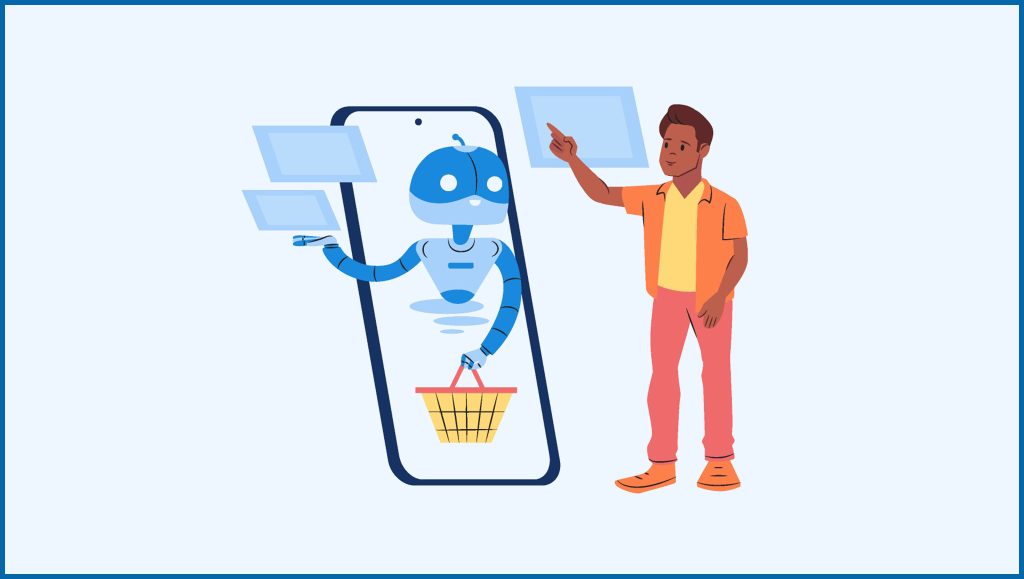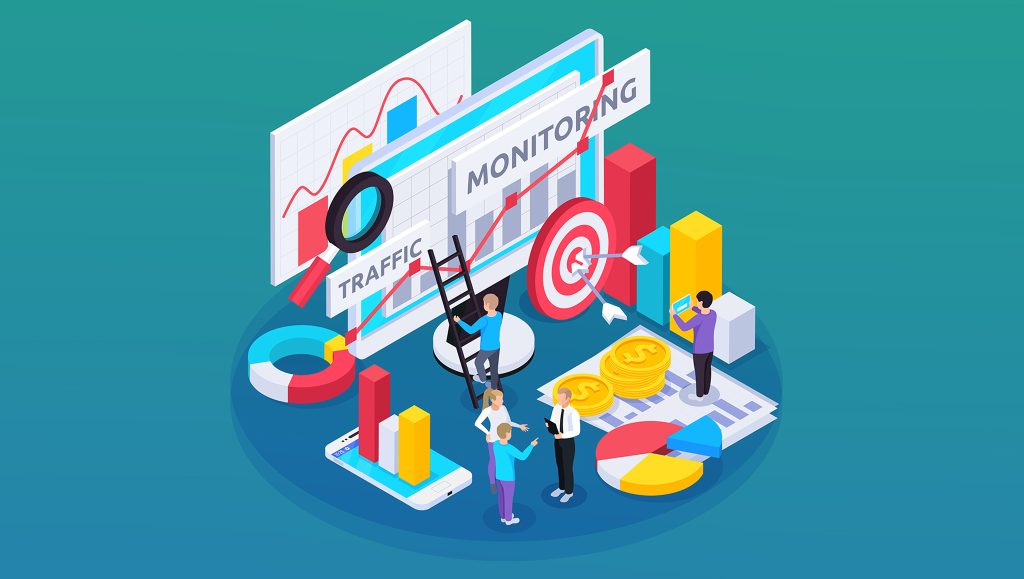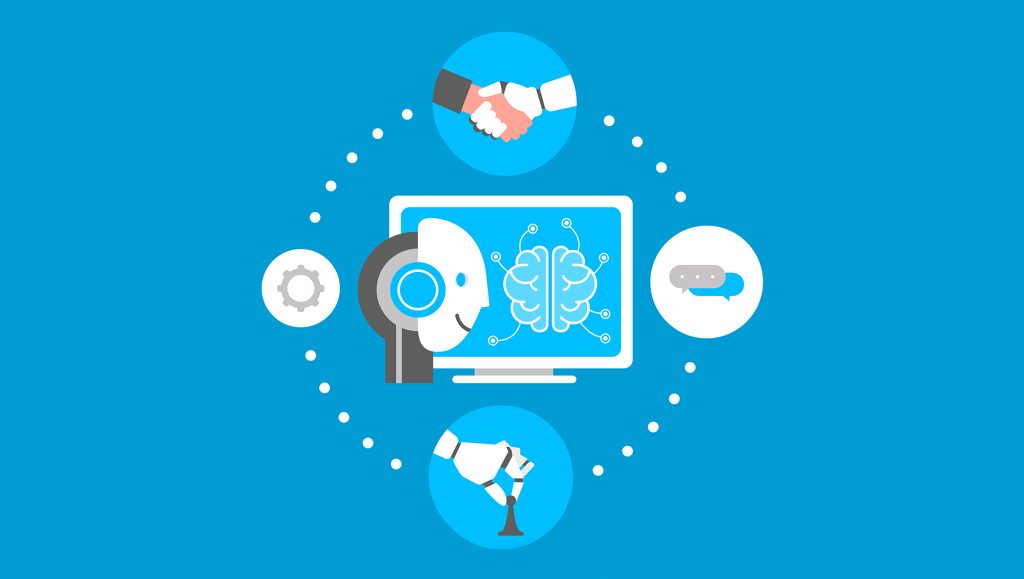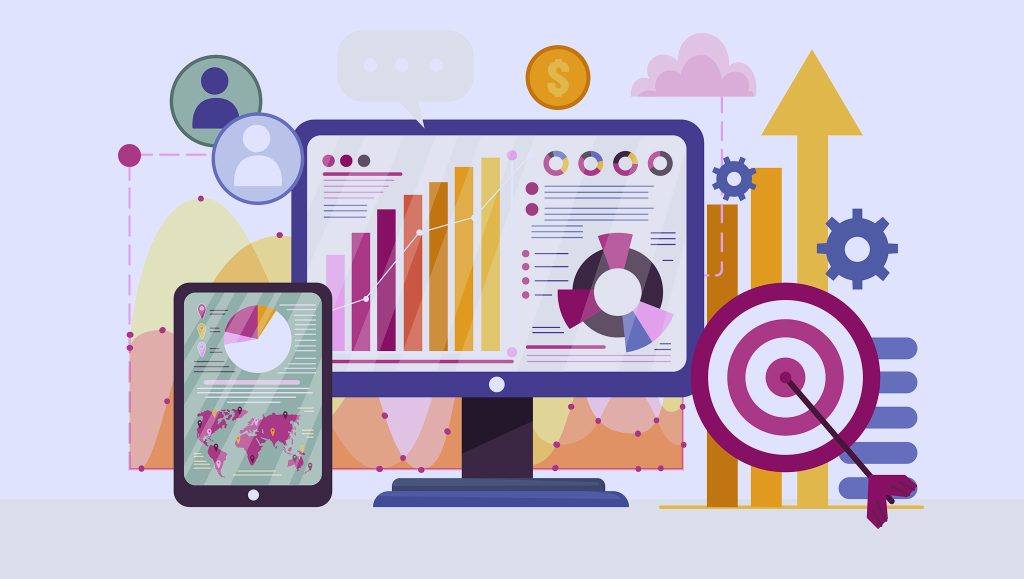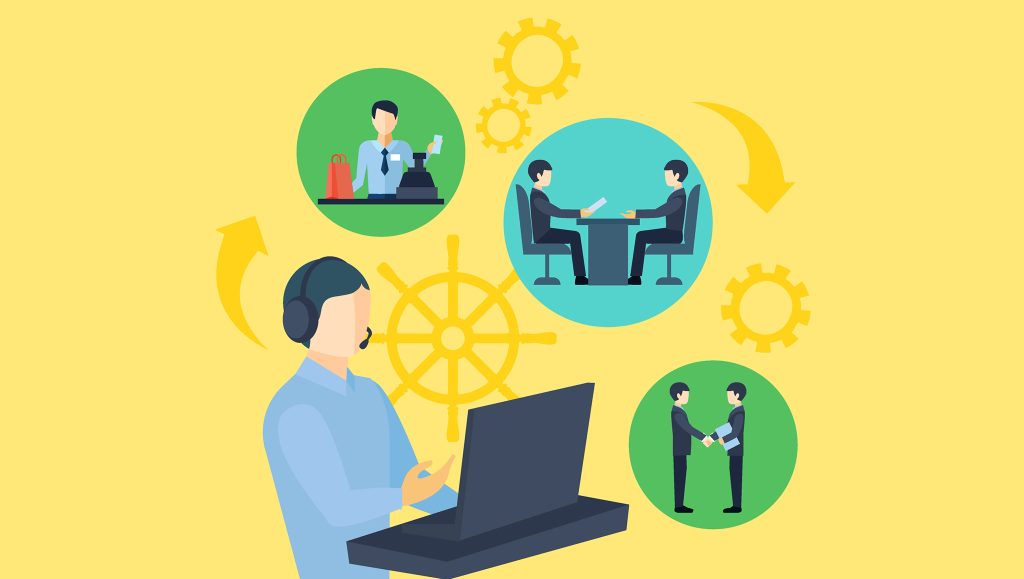
The new age of sales technology is here. No longer is artificial intelligence limited to supporting sales reps; rather, it is starting to participate in commercial decision-making directly. For decades, enterprise sales has relied on human relationships, negotiations, and manual workflows to take deals from prospecting to close. Despite the rise of Customer Relationship Management (CRM) platforms and digital sales tools, the human sales professional still sits at the heart of every interaction. However, today’s advances in artificial intelligence are changing this model by enabling intelligent software agents to evaluate opportunities, negotiate terms, recommend products and even complete transactions with minimal human intervention.
The rapid pace of digital transformation has led to an increased use of autonomous buying and selling processes. Organizations are using AI assistants to engage customers, make predictions, optimize prices, and forecast sales. At the same time, purchasing departments are adopting intelligent purchasing systems, which can automatically compare vendors, evaluate contracts, assess risks, and recommend purchasing decisions. These changes are creating a new commercial environment where artificial intelligence systems increasingly will interact with each other rather than waiting for human intervention.
This evolution has led to the notion of Agent-to-Agent (A2A) Commerce, where autonomous AI agents act on behalf of buyers and sellers across the commercial lifecycle. Intelligent buyer agents can go out and find suppliers, compare products, negotiate prices, check conformance, write contracts, and close deals with intelligent seller agents instead of a procurement manager asking a salesperson for a quote. Human professionals are responsible for governance, strategic oversight, and exception handling, while AI takes care of routine commercial activities with speed and precision never seen before.
A2A Commerce is an indication of the increasing demand for faster business decisions, more operational efficiency and scalable enterprise commerce. Modern organizations are challenged with increasingly complicated global supply chains, dynamic pricing environments, and rising customer expectations. Manual processes often can’t keep up with these demands. Commercial negotiations conducted by AI can evaluate huge amounts of data, consider infinite buying options, and conduct transactions live.
This shift is accelerating, so enterprises need to prepare for AI-driven commercial ecosystems and invest in intelligent sales technologies that can help enable autonomous interactions. Traditional sales enablement platforms are evolving into comprehensive commercial intelligence systems that integrate artificial intelligence, predictive analytics, automation, customer intelligence, and decision support within a unified infrastructure.
Salestech is becoming the tech backbone that drives AI-first commerce. Next-generation Salestech platforms are orchestrating intelligent commercial relationships, supporting AI-to-AI negotiations, optimizing revenue operations and continuously learning from every interaction, instead of just helping sales teams manage pipelines or automate emails. This pivot marks the move from sales enablement to self-driving commercial orchestration, preparing enterprises for the next wave of digital business.
-
Getting to know agent-to-agent commerce
Agent-to-Agent (A2A) Commerce is a business setting in which autonomous artificial intelligence systems perform commercial interactions on behalf of their organizations or customers. Rather than depending solely on human buyers and sellers, smart software agents talk directly to each other to assess opportunities, negotiate commercial terms, carry out purchases, manage contracts, and optimize ongoing business relationships.
Every AI agent functions towards clear-cut objectives, studying consumer tastes, inventory availability, pricing conditions, supplier performance, and organizational policies all the time. Buyer agents do the opposite: they work to find the best products, services, pricing, and terms of delivery. Seller agents work to maximize revenue by recommending products, negotiating deals, and upselling opportunities.
It helps to reduce manual intervention in day-to-day business activities significantly. Humans will move from performing repetitive tasks to overseeing AI behavior, establishing business rules, verifying ethical adherence, and making strategic choices in complex negotiations demanding human judgment.
A2A Commerce leverages artificial intelligence, automation and real-time enterprise data to enable organizations to transact business faster, more consistently and with greater operational intelligence than traditional sales models.
-
Enterprise Sales Evolution
The last few decades have seen a dramatic transformation of enterprise sales. In the beginning, business development was almost entirely dependent on face-to-face meetings, personal relationships, phone calls and manual negotiations. The individual expertise and the interpersonal communication of sales representatives were used to manage customer relationships.
Digital commerce transformed the enterprise buying landscape in many ways. Online procurement portals, CRM platforms and self-service purchasing systems made it easier to engage with customers and allowed buyers to research products on their own before reaching out to suppliers.
The next phase introduced sales with AI assistance. Intelligent systems started to assist sales professionals with lead scoring, sales forecasting, customer segmentation, recommendation engines, conversational chatbots, and automated proposal generation. AI had increased efficiency, but most commercial decisions still depended on humans.
Today enterprises are living in the era of fully autonomous commercial ecosystems. AI is shifting from a decision support tool to an active actor, capable of initiating conversations, assessing opportunities, negotiating prices, identifying suppliers, drafting contracts and executing transactions with other intelligent systems. This evolution is one of the most profound shifts in enterprise commerce since the dawn of digital business.
-
Why Is Agent-to-Agent Commerce Coming?
Agent-to-Agent Commerce is growing fast, driven by a number of technology and business trends.
The rapid growth of enterprise AI has dramatically enhanced the capability of intelligent systems to analyze data, comprehend natural language, predict customer behavior, and make complex business decisions. Organizations are increasingly using AI for operational tasks that previously needed a lot of human intervention.
Enterprise purchasing is also being transformed by digital procurement transformation. Smart software helps today’s procurement teams automate supplier discovery, evaluate proposals, compare pricing, track compliance requirements and simplify purchasing workflows. AI agents extend these capabilities by naturally communicating with supplier systems directly.
Another important factor is the growing complexity of commercial transactions. Fluctuating market conditions, dynamic pricing strategies, regulatory requirements and rapidly changing customer expectations require organizations to process enormous amounts of information prior to making purchasing decisions and managing global supply chains. AI agents can assess those variables at a much faster rate than human teams.
The need to make business decisions more quickly is also accelerating adoption. In competitive markets, delays in negotiation, approvals or procurement processes can lead to missed opportunities. Autonomous commercial systems can shorten the time needed to take decisions from days to minutes by constantly assessing information and performing transactions based on business goals.
These converging trends are making A2A Commerce a more viable solution for modern enterprises looking for higher speed, efficiency, and scalability.
-
How does Salestech power A2A Commerce?
Salestech is the technological infrastructure that enables Agent-to-Agent Commerce. Today’s sales platforms have advanced from pipeline management to intelligent commercial ecosystems that enable autonomous business interactions.
Smart sales infrastructure integrates CRM systems, customer data platforms, pricing engines, ERP applications, procurement systems, contract management platforms and AI-powered analytics into a single commercial environment. This interconnected ecosystem enables AI agents to draw the information they need to make informed decisions throughout the sales lifecycle.
AI-augmented commercial workflows automate many of the tasks previously done manually. Intelligent systems can identify qualified opportunities, personalize engagement, suggest products, create proposals, calculate pricing, initiate negotiations, and coordinate contract approvals while dynamically adapting to changing customer needs.
Autonomous revenue operations take this efficiency to the next level, using AI to manage forecasting, pipeline optimization, territory planning, sales performance analysis, and revenue intelligence with minimal human interaction. Predictive insights offer sales leaders the information they need to make strategic decisions and automate routine operational tasks.
One of the most valuable features of modern Salestech is continuous optimization. The data from all business transactions generates new behavioral data for artificial intelligence to refine subsequent recommendations, negotiation tactics, pricing models and client engagement. Intelligent sales platforms are not static automation systems, but learn from results and help enterprises improve commercial performance over time.
As Agent-to-Agent Commerce becomes more and more ubiquitous, Salestech will keep evolving to become the intelligent operating system for autonomous enterprise commerce. These platforms will combine artificial intelligence, automation, predictive analytics and connected business intelligence to help organizations engage in faster, smarter and more scalable commercial interactions, while redefining the future of enterprise sales.
Core Elements of Agent-to-Agent Commerce
Agent-to-Agent (A2A) Commerce is based on a network of intelligent software agents that can make commercial decisions, execute business processes, and continuously learn from interactions within an enterprise. Unlike traditional sales automation, where AI assists human actors, A2A Commerce enables autonomous buyer and seller agents to collaborate across the entire commercial life cycle.
These systems evaluate enterprise data, negotiate commercial terms, optimise procurement strategies and execute transactions with minimum human intervention. These core components collectively create the foundation for the next generation of intelligent salestech ecosystems.
1. Autonomous Buyer Agents
Buyer agents act on behalf of the enterprise buyers, and they are autonomous to perform buying activities. These AI agents are constantly scanning business needs, finding purchasing opportunities, and advising on the best commercial decisions, rather than having to manually assess every supplier or negotiate every transaction.
Buyer agents’ first responsibility is requirement discovery. By analyzing inventory, production schedules, historical purchasing patterns, customer demand forecasts and operational priorities, artificial intelligence can predict what products or services an organization needs before shortages or business disruptions occur.
Buyer agents also undertake a lot of vendor research, assessing suppliers on a range of criteria, including:
- Price competitiveness
- Product quality
- Delivery performance
- Regulatory compliance
- Financial stability
- Sustainability credentials
- Customer satisfaction history
AI is looking at the total value a supplier provides, not just price comparison.
Intelligent procurement takes it one step further by automating supplier selection, request for proposal (RFP) generation, quotation analysis, supplier communication and purchasing approvals. AI continuously surveys the market environment and suggests procurement strategies according to the goals of the organization.
Another big capability is budget optimization. Buyer agents are the connection between requirements and budget, working to find ways to save money, negotiate discounts, estimate expenses, and advise when to buy to maximize return on investment and minimize operating costs.
The automation of these procurement activities allows enterprises to reduce administrative effort, improve purchasing accuracy, and enhance strategic decision-making.
2. Autonomous Seller Agents
Buyer agents are concerned with procurement, while autonomous seller agents work on behalf of vendors throughout the sales lifecycle. These intelligent systems are engaging potential customers, spotting sales opportunities, negotiating commercial terms, and developing accounts in the long term.
One of their main purposes is to provide personalized product recommendations. Seller agents study customer profiles, buying histories, industry patterns, and behavioral cues to recommend products and services best suited to a buyer’s needs.
Additional seller features include:
- Personalized product bundling
- Intelligent cross-selling
- Automated upselling recommendations
- Customer-specific promotions
- Demand forecasting
- Competitive positioning
Dynamic pricing enables seller agents to continuously adjust pricing strategies according to demand, competitor prices, inventory levels, customer value, seasonal factors, and negotiated purchase volumes. AI creates dynamic pricing strategies rather than static pricing models to improve competitiveness and profitability.
Proposal generation is becoming more autonomous, too. Seller agents automatically generate personalized proposals that contain customer requirements, pricing structures, implementation plans, technical specifications, service agreements, and projected business results.
Drafting contracts further accelerates enterprise sales by creating agreements that capture the commercial terms negotiated by the sales team, as well as legal requirements, compliance standards, payment schedules and service-level commitments.
Seller agents can then combine these capabilities to conduct increasingly sophisticated commercial interactions at remarkable speed and consistency.
3. Smart Negotiation Engines
“One of the most human-intensive aspects of enterprise sales has been negotiation. Agent-to-Agent Commerce includes intelligent negotiation engines that can evaluate multiple variables at the same time and identify mutually beneficial outcomes.
Compared to traditional rule-based automation, AI negotiation systems monitor pricing models, procurement goals, contract requirements, delivery times, inventory limits, financial risk, and past negotiation results continuously.
Key variables in the negotiations include:
- Product pricing
- Delivery timelines
- Contract duration
- Volume commitments
- Payment terms
- Service-level agreements
- Warranty conditions
- Risk allocation
AI-based pricing enables seller agents to generate optimized commercial offers instantly, considering both profitability and competitiveness.
Risk evaluation also serves to strengthen negotiations by identifying financial, operational, legal and supply chain risks that may be involved in proposed agreements. Buyer and seller agents are able to propose modifications that reduce uncertainty before contracts are signed.
Intelligent negotiation engines are increasingly oriented to win-win optimization, rather than trying to optimize the advantage for one party only. It considers long-term business relationships, customer lifetime value, partnership opportunities, and strategic priorities to suggest agreements that create sustainable commercial value for both organizations.
4. Self-Managed Transactions
Autonomous transaction management systems then manage the remaining commercial processes with minimal manual involvement once the negotiations have concluded. These systems help to ensure contracts flow smoothly from approval to execution and that they are compliant and operationally accurate.
Accept the commercial terms and the order starts executing immediately. AI automatically verifies product availability, schedules fulfillment, updates inventory records, confirms logistics requirements, and communicates delivery expectations.
Transaction management also automates contract approval workflows, routing agreements to the appropriate stakeholders based on predefined governance policies. Compliance checks, legal reviews, electronic signatures, and approval notifications are all automated, reducing administrative delays.
Payment orchestration simplifies financial processes by linking purchasing systems to enterprise resource planning (ERP) and accounting systems, banking systems and invoicing tools.
AI can automatically handle:
- Invoice generation
- Payment scheduling
- Credit verification
- Tax calculations
- Financial reconciliation
- Payment reminders
- Collection workflows
Post-transaction, the engagement is independent AI tracks customer happiness, finds renewal opportunities, suggests cross-sell products, initiates service follow-ups, and coordinates customer success activities that contribute to the development of long-term business relationships.
This end-to-end automation turns commercial transactions into ongoing revenue-generating relationships, rather than isolated sales events.
5. Systems for Continuous Learning
Agent-to-Agent Commerce is distinguished by its ability to learn and improve on an ongoing basis. Each interaction provides valuable data that improves future commercial performance.
Behavioral learning helps AI to identify customer buying patterns, supplier performance trends, negotiation preferences and communication styles, and market dynamics. The more transactions you make, the more accurate these insights become.
With ongoing learning, we can enhance:
- Buyer preferences
- Sales conversations
- Negotiation strategies
- Product recommendations
- Supplier evaluation
- Customer segmentation
- Pricing optimization
It is especially helpful to enhance negotiations, as AI can evaluate successful deals, determine the best strategies, and then apply this knowledge to future business negotiations.
Seller agents can adjust to customer preferences and make personalized recommendations on-the-fly, as the buyer’s requirements change over time. AI doesn’t rely on static customer profiles; instead, it learns and updates its understanding of purchasing behavior.
Ultimately, continuous learning systems are aimed at optimizing revenue. Artificial intelligence discovers new cross-selling opportunities, anticipates future purchasing needs, optimizes pricing strategies, enhances customer retention, and reinforces long-term revenue growth through ongoing commercial intelligence.
Read More: SalesTechStar Interview with Matt Price, CEO of Crescendo
Technologies for Agent-to-Agent Commerce
To be successful, Agent-to-Agent Commerce needs a sophisticated technology ecosystem including artificial intelligence, machine learning, enterprise data integration, automation, and predictive analytics. Together, these technologies form intelligent commercial systems that can understand business context, make autonomous decisions, and continuously improve commercial performance.
1. Artificial Intelligence and Large Language Models
Artificial Intelligence (AI) and Large Language Models (LLMs) are the mind of Agent-to-Agent Commerce. These technologies enable software agents to understand language, interpret business needs, formulate responses, and hold sophisticated commercial conversations.
Conversational AI enables buyer and seller agents to have a natural conversation as they share information about products, pricing, contracts, and purchasing requirements.
AI capabilities are as follows:
- Natural language understanding
- Conversational interactions
- Intelligent question answering
- Commercial reasoning
- Business context analysis
- Decision support
Decision intelligence blends enterprise knowledge and AI reasoning to consider multiple commercial scenarios and suggest a best course of action.
AI with context understanding takes into account the history of customer relationships, contractual obligations, purchasing policies, market conditions, and organizational priorities before making decisions.
Intelligent reasoning allows software agents to do more than just automate tasks; it enables them to solve business problems, weigh trade-offs, and adjust recommendations as commercial situations evolve.
2. Machine Learning
Agent-to-Agent Commerce is a system that can predict customer needs and improve commercial decisions continually, which is enabled by the predictive capabilities of machine learning.
Predictive sales models can be used to predict buying behavior, uncover sales opportunities, estimate the probability of a deal, and prioritize revenue-generating activities.
Machine learning also allows:
- Opportunity scoring
- Customer segmentation
- Demand forecasting
- Churn prediction
- Revenue forecasting
- Territory optimization
As customer behavior changes, dynamic recommendations evolve so artificial intelligence can recommend more relevant products, services, pricing strategies and engagement approaches.
Adaptive optimization allows commercial systems to learn how to make better decisions on their own as business conditions change, without having to be programmed by hand.
3. Generative AI
Generative AI adds a lot of power to autonomous seller agents by creating commercial content on the fly.
Some applications include:
- Proposal creation
- Sales presentations
- Personalized emails
- Marketing content
- Contract summaries
- Customer responses
Generative AI also improves sales communication by generating highly personalized messages tailored to the specific needs of the customer, the industry context, and the buying journey phase.
Automation of documentation speeds up and standardizes the production of quotations, contracts, invoices, technical documentation, implementation plans, and follow-up communication, which decreases administrative work.
4. Enterprise Knowledge Graphs
Enterprise Knowledge Graphs arrange business data in interconnected networks that AI agents can understand and analyze.
These knowledge structures interlink customers, suppliers, products, contracts, pricing policies, employees, and operational processes within one intelligent framework.
Support for Knowledge Graphs:
- Integrated business intelligence
- Customer relationship mapping
- Inclusion of product knowledge
- Organizational memories
- Supplier perspectives
- Commercial relationship analysis
That kind of connectivity gives AI a broader context for making commercial decisions, drawing on a complete picture of enterprise knowledge, rather than isolated data sets.
5. API Ecosystems and Enterprise Integrations
Agent-to-Agent Commerce relies on seamless connectivity between enterprise systems. APIs allow AI agents to share information across a multitude of business platforms without human involvement.
Major integrations include:
- CRM connectivity
- ERP integration
- Procurement platform synchronization
- Financial system integration
- Inventory management
- Contract lifecycle management
- Customer service platforms
Cross-platform interoperability ensures that commercial data is synchronized across the enterprise so standard artificial intelligence can function with full visibility into the enterprise activities.
6. Autonomous Decision Intelligence
The last layer, Autonomous Decision Intelligence, turns enterprise data into commercial action. These systems are continuously analyzing operational information and suggesting optimal business decisions in real time.
Core capabilities are:
- Real-time analytics
- Predictive forecasting
- Commercial optimization
- AI-driven recommendations
- Revenue intelligence
- Risk assessment
- Strategic decision support
Decision intelligence combines predictive analytics and autonomous reasoning to empower AI agents to identify emerging opportunities, optimize negotiations, mitigate commercial risks, and maximize enterprise revenue.”
As these technologies mature, they will revolutionize Salestech from a sales enablement tool into the intelligent infrastructure fueling fully autonomous commercial ecosystems, where AI agents collaborate continuously to accelerate enterprise growth, deepen customer relationships, and reimagine the future of business commerce.
Risks and Challenges
The emergence of autonomous commerce and AI-driven business ecosystems is changing how organizations do sales, procurement, customer interaction, and commercial decision-making. The benefits of intelligent automation are significant. But enterprises need to consider a few challenges that come with agent-to-agent commerce adoption. Establishing confidence, meeting regulatory requirements, and ensuring the safety of digital transactions and human involvement are all key to unlocking the full capabilities of AI-led commercial operations.
Organizations that take these challenges head-on will be better placed to deploy scalable and responsible autonomous commerce strategies while mitigating operational and reputational risk.
1. AI Trust and Transparency
Trust is the foundation of any successful commercial relationship, whether it is between humans or between autonomous AI agents. When artificial intelligence systems start to make recommendations, negotiate contracts, approve purchases, and directly communicate with customers and suppliers, organizations need to ensure that these decisions are transparent and understandable. The need for explainable AI is increasing as businesses need to be able to trust how automated systems arrive at specific conclusions and recommendations.
The transparent AI gives the logic behind contract negotiations, pricing recommendations, customer segmentation, and supplier evaluations to the decision maker. Today’s AI platforms should not be black-box systems; they should have clear explanations so that managers can validate outcomes and identify potential biases. This level of transparency enhances organizational confidence and strengthens relationships with customers, partners, and regulators.
Trust is also built via responsible AI governance. Companies should craft ethical principles that guarantee their artificial intelligence (AI) tools function equitably, avoid discriminatory results and align with the company’s core values. Ongoing monitoring, auditing and governance frameworks help organizations maintain accountability while promoting responsible commercial automation. As AI is further embedded into enterprise sales processes, trust and transparency will continue to be important considerations for long-term adoption.
2. Cybersecurity and Security Risks
The growing autonomy of AI agents introduces fresh cybersecurity challenges that organizations cannot afford to ignore. Autonomous systems exchange sensitive financial data, negotiate commercial deals, access customer records, and undertake business transactions with minimal human intervention. “Securing these digital interactions is therefore fundamental for protecting enterprise operations.”
AI identity verification is becoming a foundation of secure autonomous commerce. Organizations must ensure that any AI agent engaged in negotiations or commercial transactions is authenticated and authorized before being granted access to critical enterprise systems. Good digital identity management minimizes the risk of unauthorized access and maintains the integrity of business communication.
Fraud prevention becomes much more complicated in AI-driven commercial environments. Cybercriminals might try to impersonate valid AI agents, manipulate negotiations, or exploit vulnerabilities in automated systems. Advanced cybersecurity platforms therefore incorporate behavioral analytics, anomaly detection, encryption technologies, and ongoing surveillance to identify suspicious activities before financial losses occur. To make autonomous transactions secure, organizations need to embed cybersecurity into every part of the AI deployment process, rather than treating security as an afterthought.
3. Data Privacy & Compliance
Data is the bedrock of autonomous commerce, enabling the development of insightful decisions and personalized customer experiences. AI agents constantly scan consumer preferences, supplier data, pricing histories, buying habits, financials, and operational metrics. Such a high level of data usage can enable more accurate commercial decisions, but also carries significant privacy and compliance obligations.
Organizations must ensure that customer data is collected, stored, processed and shared in accordance with applicable privacy regulations. “Good data governance requires good controls over access, good standards of encryption, good processes for managing consent, and good practices to minimize the unnecessary exposure of sensitive data. Companies also need to have explicit policies about how their standard artificial intelligence systems use personal and commercial data during the customer journey.
But cross-border commerce is more complicated because different countries have different requirements on data residency, privacy protection and regulatory compliance. International companies need to make sure their autonomous artificial intelligence systems work with multiple legal systems at the same time. As governments continue to introduce new AI regulations, organizations will increasingly rely on automated compliance capabilities to maintain consistent governance across their global operations.
4. Technology Integration
Many organizations face substantial challenges in integrating autonomous artificial intelligence (AI) systems with their existing enterprise infrastructure. But with artificial intelligence (AI) technologies evolving at a rapid pace, many companies still depend on legacy CRM, ERP, procurement, and financial applications built for human workflows, not autonomous decision-making.
To achieve successful integration of technology, organizations must modernize existing systems and maintain business continuity. AI agents need to be able to pull accurate information from many enterprise applications without causing inconsistencies or breaking operational processes. This requires standardized APIs, cloud architectures, and interoperable platforms that allow for seamless cross-departmental communication.
Integration is also beyond internal business systems. More and more, organizations are partnering with suppliers, distributors, logistics providers, financial institutions, and technology partners that run on different digital infrastructures. Supporting trusted interoperability allows AI agents to exchange information securely and enables effective commercial co-operation. The companies that invest in flexible, scalable technology architectures will be in a better position to support future innovations in AI without replacing their entire system.
5. Human supervision
Artificial intelligence systems are increasingly capable of analyzing data, but human judgment is still needed to manage complex commercial relationships and make strategic decisions. While autonomous agents are very good at processing large amounts of information, detecting patterns, and performing repetitive tasks, seasoned professionals bring contextual understanding, ethical reasoning, creativity, and leadership that artificial intelligence can’t fully replicate.
Organizations need to put in place governance models that clearly define where AI is allowed to operate autonomously and where human intervention is required. High-value contracts, sensitive customer negotiations, legal disputes, and strategic alliances often include considerations beyond algorithmic optimization. Human supervision ensures that these are reviewed for appropriateness and that unintended consequences of fully autonomous decision-making are avoided.
Another key element of responsible AI governance is the management of escalation. Autonomous systems should be able to recognize situations of uncertainty, conflicting objectives, or regulatory risks and automatically transfer decision-making authority to qualified personnel. Commercial professionals should use AI as an intelligent assistant to increase productivity and enable human expertise to make critical business decisions, not replace them.
6. Legal and Regulatory Challenges
The swift embrace of AI in commerce creates major legal and regulatory challenges that are ever-changing with technological advances. Current commercial laws are mostly tailored for human actors in transactions, and thus questions arise on responsibility when autonomous AI agents are independently negotiating contracts or performing commercial activities.
One of the biggest questions is the question of AI accountability. When autonomous systems make wrong recommendations, approve wrong transactions or create contractual disagreements, organizations need to determine who is responsible. Clear governance frameworks are needed to establish ownership of AI-generated decisions, while retaining organisational accountability.
Digital contracting is still in evolution as companies are adopting automated negotiations and electronically executed agreements. Enterprises must ensure that AI-generated contracts are legally enforceable and adhere to industry regulations and international commercial standards. Governments around the world are scrambling to draft policies that will govern artificial intelligence, and regulatory compliance will be an ongoing priority for organizations adopting autonomous commerce technologies. The companies that continue to be proactive in adapting to these legal developments will minimize operational risks while maintaining trust amongst customers, partners, and regulatory authorities.
Future Outlook
Enterprise commerce will be more and more shaped by the intelligent collaboration of autonomous artificial intelligence systems that are constantly optimizing commercial operations. And as more organizations adopt advanced artificial intelligence (AI) tools, sales, procurement, finance, customer success, and operations will be integrated in highly intelligent digital ecosystems that can make coordinated decisions in real-time.
The next generation of AI will not just automate existing workflows but will transform the way that businesses create value, generate revenues and collaborate across global markets. With these innovations, Salestech will be central to enterprise-wide commercial transformation.
1. Autonomous Enterprise Sales Networks
The businesses of the future will be built on autonomous commercial networks where AI agents will manage large parts of the sales lifecycle with little or no human intervention. These smart systems will continuously discover business opportunities, qualify prospects, optimize pricing, recommend products, forecast demand, and orchestrate consumer engagement across multiple channels. AI agents will create highly responsive commercial ecosystems that can instantly adjust to changing market conditions by sharing information across departments and business partners.
Self-optimizing revenue networks will boost the efficiency of organizations by continuously analyzing sales performance, customer behavior and competitive dynamics. Firms will not conduct periodic strategic reviews, but instead use AI tools to continuously improve commercial strategies in real time and enable them to respond faster to new opportunities and market disruptions.
2. AI-to-AI Negotiation Eco-systems
One of the biggest changes coming to autonomous commerce will be the emergence of AI-to-AI negotiation ecosystems. Instead of people engaging in long negotiations, intelligent agents representing each organization will look at requirements, compare market conditions, negotiate pricing and close deals in minutes.
These artificial intelligence systems will be juggling vast amounts of commercial data, balancing profitability, customer satisfaction, inventory availability and contractual obligations. Autonomous procurement and intelligent pricing negotiations will significantly reduce transaction costs and improve consistency and decision quality. Real-time commercial agreements will speed up the business and create more agile supply chains that can respond instantaneously to changing market demand.
3. Digital Commercial Twins
Digital commercial twins will be an ever more useful tool for enterprise planning and decision support. Similar to digital twins in manufacturing and engineering, these virtual business models will simulate the business environment, customers, pricing, negotiations, and revenue performance before decisions are made in real markets.
Organizations will use AI-powered simulations to test different pricing structures, forecast customer responses, analyze contract terms, and identify operational risks without risking real business relationships to unwarranted uncertainty. Predictive deal modeling will give sales leaders more visibility into the outcome of negotiations and enable businesses to fine-tune commercial strategies through continuous experimentation. This capacity will reduce risk and assist in improving forecasting accuracy and making strategic choices.
4. Multi-Agent Enterprise Collaboration
The future enterprise will be made up of many specialized AI agents working across all business functions. Sales AI will sell new customers and drive revenues, procurement AI will build better relationships with suppliers, finance AI will manage profits and cash flow, and customer success AI will improve retention and lifetime engagement. Artificial intelligence in marketing, legal, operations, and supply chain will bring expertise that helps the enterprise to coordinate its decision-making.
Instead of working in silos, these smart agents will always share information, align organizational goals and coordinate activities across functions. This collaborative approach will break down traditional organizational silos, while enabling quicker responses to customer needs, operational challenges and competitive market developments. Enterprises will increasingly operate as an integrated AI ecosystem, as opposed to a collection of disconnected business units.
5. Self-Learning Revenue Ecosystems
Future commercial platforms will be self-learning revenue ecosystems that will be able to continuously improve their own performance. Every customer interaction, sales conversation, negotiation outcome, procurement decision, and market trend will add new knowledge to reinforce AI decision-making over time.
Instead of relying on periodic software updates, autonomous artificial intelligence systems will improve commercial recommendations, refine pricing models, optimize forecasting accuracy, and improve client engagement strategies through continuous learning. Adaptive commercial intelligence allows organizations to anticipate customer needs, respond more effectively to competitive pressures and identify emerging revenue opportunities before they are evident through traditional business analysis. This ongoing optimization will give companies sustainable competitive advantages in fast-changing markets.
6. Salestech as the Autonomous Commerce Platform
As autonomous commerce matures, Salestech will transition from its traditional role as a sales enablement solution to the central intelligence platform that coordinates enterprise-wide commercial operations. Future Salestech platforms will empower more than just sales teams; they will unite procurement, finance, legal, marketing, customer success, operations, and executive leadership within a single AI ecosystem.
These smart solutions will manage every phase of the commercial lifecycle, from discovery and client engagement to contract execution, revenue management and long-term relationship optimization. Salestech connects autonomous AI agents across every business function to give organizations end-to-end commercial visibility, continuous performance optimization and intelligent revenue orchestration. As businesses continue to embrace autonomous enterprise operations, Salestech will be the digital foundation that enables connected commercial ecosystems and the future of end-to-end autonomous commerce.
Final Thoughts
Salestech is changing the future of enterprise commerce by transforming traditional sales processes into intelligent, autonomous commerce ecosystems. What began as a suite of tools to automate repetitive sales activities has evolved into a sophisticated AI-powered platform that enables end-to-end commercial decision-making. Modern Salestech is more than simply helping sales professionals manage leads, forecast revenue, and track customer interactions. It is about enabling organizations to build autonomous commercial intelligence systems that continuously analyze market conditions, customer behavior, supplier performance, and operational data to drive better business outcomes. This evolution is a fundamental shift from sales automation to AI-powered commercial ecosystems where intelligent agents actively participate in enterprise buying and selling.
With the advancement of artificial intelligence, it is not just limited to providing recommendations or helping human decision makers. Increasingly, AI is the active participant in commercial activities, identifying opportunities, qualifying prospects, negotiating pricing, developing contracts, evaluating suppliers, and coordinating client engagement across multiple channels. Intelligent Salestech platforms learn from every single transaction to continuously optimize commercial activities – whether it’s pricing strategies, customer interactions or adapting to changing market conditions in real-time. Enterprise sales are therefore moving away from traditional relationship management into AI-driven revenue ecosystems that leverage predictive intelligence, automation and collaborative decision-making to optimize business performance.
Agent-to-Agent Commerce will further accelerate this transformation by allowing autonomous artificial intelligence systems that are digital representations of buyers and sellers to communicate, negotiate, and conduct commercial transactions with minimal human involvement. These smart agents minimize transaction friction through the elimination of repetitive administrative processes, speeding up procurement decisions and enhancing the efficiency of negotiations. AI-enabled commercial agents can evaluate thousands of variables in parallel to identify deals that work for both sides and close transactions in minutes and in compliance with company policies and regulatory requirements—all without the need for lengthy manual negotiations.
The heightened adoption of autonomous negotiations will boost enterprise agility substantially, facilitating continuous decision-making across procurement, sales, finance, legal, and customer success functions. Businesses will see faster approvals, smarter resource allocation, better forecasting, and stronger collaboration across departments. When AI agents share data and orchestrate behavior across business systems, organizations will build ultra-responsive commercial ecosystems that can instantly react to customer needs, competitive pressures, and market shifts. This smart coordination will speed up enterprise commerce, make it more scalable and much more resilient in today’s dynamic business environment.
Salestech’s future is far more than helping sales teams sell more efficiently. It’s evolving into the intelligent infrastructure that allows AI agents to identify opportunities, assess vendors, negotiate commercial terms, execute transactions, manage contracts and dynamically optimize business relationships with minimal human involvement. Enterprises that invest in autonomous commercial ecosystems, intelligent revenue platforms and collaborative AI agents will achieve significant advantages in speed, scalability, decision-making, customer experience and competitive differentiation as Agent-to-Agent Commerce becomes a defining characteristic of the AI-first economy. The next generation of Salestech will not only support sales, but will orchestrate autonomous commerce across the entire enterprise, laying the foundation for a new era of connected, intelligent, self-optimizing business operations.
Read More: Salestech for Network-Led Growth: Turning Internal Relationships into Pipeline