Home Blog Page 512

Digital Experience Tactics That Can Drive Brand Revenue

In the ever-evolving landscape of technology, businesses are increasingly recognizing the profound impact of digital experiences on driving brand revenue. As consumer behaviors shift towards online platforms, companies are realizing the importance of creating memorable and engaging digital experiences. These experiences encompass various touchpoints, including websites, mobile apps, social media interactions, and personalized marketing campaigns.

By leveraging the power of enhanced digital experiences, brands can establish a strong connection with their target audience. They can help with fostering brand loyalty, and ultimately drive revenue growth. Through immersive and interactive interfaces, companies can captivate users, deliver personalized content, and offer seamless transactions. While doing so, they can collect valuable data to refine their strategies.

Better digital experiences also have the potential to enhance customer satisfaction, streamline purchasing processes, and create lasting impressions. This helps differentiate brands in highly competitive markets. In this era of digital transformation, businesses that prioritize and invest in delivering exceptional digital experiences are poised to thrive and gain a competitive edge in driving brand revenue.

Now, let’s explore the different digital experience tactics that have the power to drive brand revenue.

Digital Experiences That Help Drive Brand Revenue

In today’s digital landscape, effective strategies are essential to drive brand revenue through better digital experiences. By focusing on key aspects, businesses can optimize their digital presence and enhance customer engagement. Here are some useful digital experience strategies that can help boost brand revenue.

1. Personalization:

Tailor digital experiences to individual customers and use data and insights to deliver relevant and customized content. This strategy will help boost customer satisfaction and conversion rates.

Example: Analyze customer data to create personalized recommendations and customized content.

2. Seamless User Experience:

Prioritize user needs by creating intuitive and easy-to-navigate digital interfaces. This will help with ensuring a seamless and enjoyable experience for customers, leading to higher engagement and retention.

Example: Streamline the checkout process by minimizing steps and simplifying form fields.

3. Social Media Engagement:

Leverage social media platforms to engage with customers and build brand awareness. This would help drive conversions through targeted campaigns, interactive content, and influencer collaborations.

Example: Create responsive designs that adapt to different screen sizes and ensure easy navigation.

4. Mobile Optimization:

Optimize digital experiences for mobile devices, ensuring fast-loading pages, responsive designs, and streamlined checkout processes. This strategy will help with capturing the growing number of mobile users and increasing conversion rates.

Example: Integrate social sharing buttons and enable seamless login through social media accounts.

5. Omnichannel Integration:

Create a cohesive brand experience across multiple channels, seamlessly integrating online and offline touchpoints. This would help provide a consistent and personalized journey for customers.

Example: Enable customers to start shopping online and complete the purchase at a physical store.

6. Data-Driven Insights:

Utilize data analytics to gain valuable insights into customer behavior, preferences, and trends. This approach would enable data-driven decision-making to empower targeted marketing and sales campaigns and personalized experiences.

Example: Use A/B testing to compare different website layouts and determine the most effective design.

7. Customer Feedback and Reviews:

Actively seek and respond to customer feedback and incorporate their suggestions. Make it a point to address their concerns for fostering trust and loyalty, thereby driving positive word-of-mouth referrals.

Example: Actively listen to customer feedback on social media and work on the suggestions

8. Continuous Optimization:

Regularly analyze and optimize digital experiences using A/B testing, user feedback, and performance metrics. This would help identify areas for improvement, ensuring a consistently evolving and optimized customer journey.

Example: Undertake extensive analysis of key metrics to derive actionable insights on crucial aspects.

Read More: SalesTechStar Interview with Kristy Schafer, Vice President of US Sales at Optable

Benefits of Leveraging Digital Experiences For Business Revenue

Digital experiences play a crucial role in today’s business landscape. They offer a wide range of benefits that can positively impact a company’s growth and success. Here are five key advantages of implementing stronger digital experiences:

1. Enhanced Customer Engagement:

Digital experiences allow businesses to engage with customers on multiple platforms and offer personalized content, interactive features, and seamless interactions. This deepens customer engagement, fostering stronger connections and brand loyalty.

2. Improved Customer Satisfaction:

By prioritizing user experience and personalization, digital experiences can significantly enhance customer satisfaction, even retention. Intuitive interfaces, easy navigation, and tailored content create a positive impression. Thereby, leading to higher customer retention rates.

3. Increased Brand Visibility:

Digital experiences enable businesses to expand their online presence and reach a wider audience across various digital channels. Effective strategies such as Social Media Marketing (SMM) and Search Engine Optimization (SEO) can boost brand visibility. This would help with attracting new customers and driving revenue growth.

4. Data-Driven Insights:

Implementing newer digital experience trends allows companies to collect valuable data on customer behavior, preferences, and trends. Analyzing this data provides insights that can inform business decisions, enabling targeted marketing and sales campaigns and improved customer experiences.

5. Competitive Advantage:

Embracing trending digital experience strategies provides a competitive edge in today’s market. Businesses that deliver seamless, personalized experiences stand out from their competitors. They are successful in attracting and retaining customers, and ultimately driving brand revenue.

Conclusion

Implementing better digital experience strategies is crucial for businesses seeking to thrive in today’s digital landscape. By prioritizing customer engagement, satisfaction, brand visibility, data-driven insights, and gaining a competitive advantage, companies can drive brand revenue and position themselves for long-term success.

Read More: Generative AI – How it’s Changing the Game for Marketers and Sales Teams

FPT Software Partners with Creatio to Accelerate No-Code Adoption Worldwide

Global IT services provider FPT Software recently entered a partnership with US-based no-code provider Creatio to amplify its expertise and service portfolio in low-code/no-code. The collaboration targets business customers in banking, finance, insurance, and more.

“Our goal is to take away the technical debt for organizations, bringing an easy and cost-efficient way to boost business agility with our digital solutions,” said Dang Tran Phuong, FPT Software Senior Executive Vice President and FPT Americas CEO.

As Creatio’s Global System Integrator, FPT Software gains access to Creatio’s robust platforms, industry know-how, and support program to deliver tailored no-code solutions and customer success.

Read More: o9 Transforms Integrated Planning and Decisioning With GenAI-Powered Innovations to Its Digital Brain Platform

Creatio provides its customers with the freedom to own their automation. It is delivered through the unique no-code composable architecture that, in Creatio’s opinion, establishes a new era in business automation. All Creatio products are powered with composable Quantum architecture. With the Quantum architecture, all functionality is available as a set of composable elements. This means that business technologists can use them in any combination to support their unique use cases. By embracing a composable architecture, Creatio empowers no-code creators to seamlessly assemble various components, blocks, and apps to create enterprise-ready solutions that match their unique requirements without coding. All Creatio ready-to-use apps (CRM, vertical apps, etc.) are built using the composable no-code approach.

The partnership also enables Creatio’s customers to leverage FPT Software’s highly skilled resource of 1,500 certified low-code experts, diverse services, and large-scale delivery capabilities across 30 countries.

Read More: SalesTechStar Interview with Puneet Arora, Global President, Yellow.ai

“We are seeing a surge in the demand for no-code solutions in the North American market. Our goal is to take away the technical debt for organizations, bringing an easy and cost-efficient way to boost business agility with our digital solutions,” said Dang Tran Phuong, FPT Software Senior Executive Vice President and FPT Americas CEO. “I trust this collaboration will benefit our clients in the region and globally by offering them more comprehensive solutions to navigate the dynamic business and technology landscape.”

“Creatio is continually looking to expand its partner ecosystem to provide its customers with the right no-code experts for their digital transformation journey. By partnering with FPT Software, we are set to accelerate the adoption of no-code solutions worldwide, empowering organizations to streamline their workflows and enhance operational efficiency,” said Alex Donchuk, Senior Vice President, Global Channels at Creatio.

FPT Software establishes itself as a trusted partner with low-code giants such as OutSystems, Microsoft PowerApps, Mendix, Salesforce, and more. With a vision to promote a new age of low-code, the IT firm is poised to assist partners, customers, and companies worldwide in achieving disruptive digital transformation and propelling new heights through cutting-edge technologies and innovation.

Write in to psen@itechseries.com to learn more about our exclusive editorial packages and programs.

Generative AI – How it’s Changing the Game for Marketers and Sales Teams

Generative AI is a subset of artificial intelligence capable of producing original content, such as images, text, music, and videos, by learning patterns and correlations from massive datasets. The primary goal of generative AI is enabling machines to understand and create complex data that can resemble human-like characteristics.

Generative AI models are trained using deep learning techniques that utilize neural networks to generate new content based on the input given. These models can generate new data similar in style, tone, and content to the input data, but they can also create entirely new and unique outputs.

Generative AI has applications in fields such as art, music, literature, gaming, and advertising, and it has the potential to transform industries that require huge volumes of creative content. However, despite its potential, generative AI also raises concerns about its impact on human creativity, intellectual property, and ethics.

Key Aspects of Generative AI

Generative AI is a rapidly growing field of artificial intelligence that aims to create intelligent systems capable of generating new and original content. Several key components are essential for building effective generative AI models, which are as follows:

1. Neural Networks:

Generative AI models rely heavily on neural networks, a machine learning model that mimics the structure and function of the human brain. These networks are designed to learn patterns and correlations in the input data and use this knowledge to generate new and original content.

2. Training Data:

Training data is a crucial aspect of generative AI as it trains neural networks to learn patterns and correlations. The quality and quantity of the training data can greatly impact the performance of the generative AI model.

3. Loss Function:

A loss function measures the difference between the generated and desired outputs. It is used to optimize the model and improve its performance over time.

4. Sampling:

Sampling is generating new content from the trained model. The sampling technique can significantly impact the quality and diversity of the generated content.

5. Evaluation:

Evaluating the quality of the generated content is an essential component of generative AI. Several metrics are used to evaluate the quality of the generated content, including visual quality, diversity, coherence, and realism.

Generative AI is a complex field that requires a deep understanding of neural networks, training data, loss functions, sampling techniques, and evaluation metrics. By leveraging these key components, developers can build effective generative AI models to create new and original content with high quality and diversity.

Read More: SalesTechStar Interview with Kristy Schafer, Vice President of US Sales at Optable

Impact of Generative AI on Different Sectors

Generative AI is transforming many aspects of the digital marketplace, digital marketing, sales, and the Software as a Service (SaaS) sector. Here are some of how generative AI is changing the game for these industries:

1. Digital Marketplaces:

Generative AI enables digital marketplaces to generate new and unique content to attract more customers and increase engagement. For example, AI-generated product descriptions, images, and videos can help showcase products creatively and engagingly, leading to higher conversion rates and customer retention. Additionally, generative AI can help marketplaces personalize their content and recommendations to individual customers, providing a more personalized shopping experience.

2. Digital Marketers:

Generative AI empowers digital marketers to create scale-quality content. AI-generated content such as blogs, social media posts, and email marketing campaigns can help marketers save time and resources while maintaining consistency and quality. Moreover, generative AI can help marketers personalize their campaigns to individual customers based on their preferences, past behaviour, and demographics.

3. Salespersons:

Generative AI helps salespersons automate tasks such as lead qualification and customer engagement, freeing up time for more strategic tasks such as building relationships and closing deals. AI-powered chatbots can provide instant customer support and assistance, while AI-generated email templates can improve the efficiency and effectiveness of email outreach campaigns.

4. SaaS Sector:

Generative AI is transforming the SaaS sector by enabling developers to create innovative solutions for their customers. For example, AI-generated code can help developers automate repetitive tasks and create new functionalities quickly, saving time and resources. Additionally, generative AI can help SaaS companies personalize their offerings to individual customers based on their needs, usage patterns, and feedback.

5. Customer Experience:

Generative AI improves customer experience by providing more personalized and engaging content. For example, AI-generated recommendations and personalized messaging can help customers feel more connected to a brand and increase their loyalty. Moreover, generative AI can help companies better understand their customers’ needs and preferences, leading to better product development and innovation.

Generative AI is revolutionizing the digital marketplace, digital marketing, sales, and the SaaS sector. By leveraging the power of generative AI, businesses can improve their productivity, efficiency, and customer experience, leading to greater profitability and growth.

Read More: Personalizing your Sales Outreach: A Few Top Practices

MORE ON AI: Listen In to these Trending Episodes of the SalesStar Podcast

Episode 184: Al and Its Influence on Marketing: with Adri Gil Miner, CMO of Iterable

Episode 179: The Impact of Al in Sales and Marketing with Ketan Karkhanis, EVP & GM, Sales Cloud, Salesforce

SalesTechStar’s Sales Technology Highlights of The Week: Featuring ZoomInfo, PandaDoc, OneStock and more!

Why is the human element becoming more crucial in sales as B2B sellers scale efforts with AI powered salestech? And how can sellers use sales automation to drive actual sales goals. Find out more in this week’s salestech highlight:

SalesTech Quote-of-the-Week!

In addition to the typical tech stack like CRM, I’ve found significant value in equipping the team with automation, sales intelligence, and revenue analytics tools. Sales Automation tools, such as Outreach and Salesloft, have been game changers in increasing our outreach while getting feedback on how engaged recipients are. However, it’s important to monitor their usage closely to prevent spamming and ensure their effectiveness.

Kristy Schafer, Vice President of US Sales at Optable

Top SalesTech News of the Week: 20th May to 24th May

SalesTech QnA with the Expert

Read More

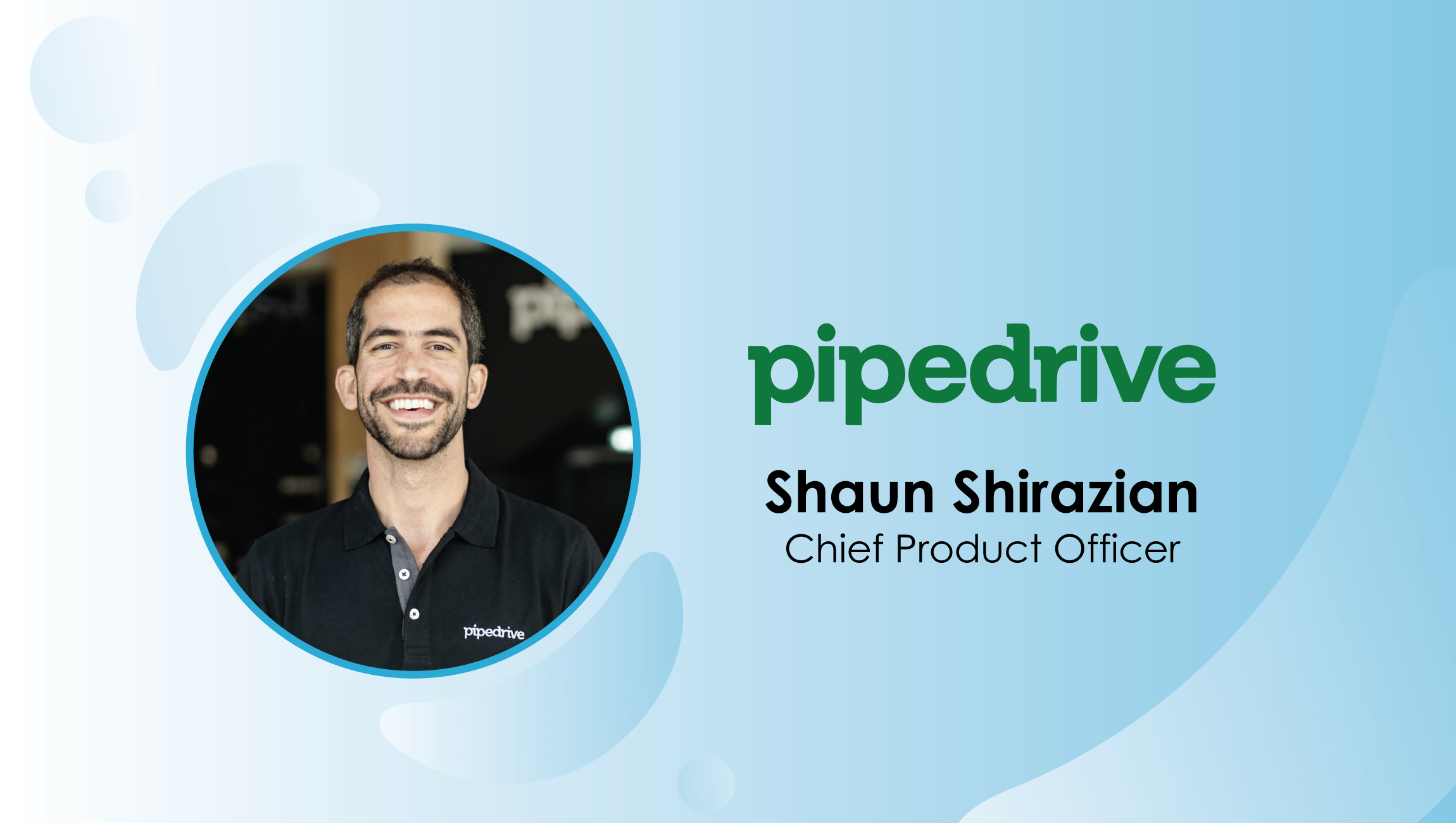
No matter how quickly AI-powered salestech and martech take off, the human element will always be relevant. AI and technology will continue to be helpful tools when it comes to automating tasks and filtering through data to connect the dots, but there’s something to be said about human interaction as well–especially in terms of understanding customer needs and establishing trust. I believe a mix of the two is crucial to making sense of all the nuances of building and forging genuine, long-lasting customer relationships.-Shaun Shirazian, Chief Product Officer at Pipedrive

Top Sales and SalesTech Articles on In-Store Retail Tech, Sales Outreach Tips, B2B Buying Committee Identification Tips and more!

Missed The Latest Episode of The SalesStar Podcast? Have a quick listen here!

Episode 201: Optimizing B2B Sales with Alex Varel, Chief Revenue Officer at Multiverse


Episode 200: B2B buying and selling habits with Raul Murguia, Sr Dir of Integrated Marketing for LinkedIn Sales Solutions

Personalizing your Sales Outreach: A Few Top Practices

In the competitive world of sales, personalization stands as a key differentiator. It transforms generic outreach into tailored interactions, resonating with individual needs and preferences. However, implementing personalization is not without challenges.

It requires a nuanced understanding of the audience, technology, and ethics. Let’s explore the best practices for personalizing sales outreach, offering actionable insights and strategies to enhance engagement and conversion.

Best Practices for Personalizing Sales Outreach

Personalizing sales outreach is essential in today’s competitive market. It fosters deeper connections with customers, enhancing engagement and conversion. This article explores the best practices to implement personalization effectively, ensuring alignment with customer needs and maximizing the impact of sales strategies.

  • Identifying Target Demographics: Knowing who you’re selling to is the first step. Identifying target demographics such as age, occupation, and location enables a focused approach, ensuring that efforts are directed toward those most likely to engage.
  • Analyzing Customer Behavior: Beyond demographics, understanding how customers interact with your brand is vital. Analyzing behaviors such as purchasing patterns, online activity, and feedback provides insights into what resonates with them, allowing for more targeted and effective outreach.
  • Creating Customer Personas: Personas are fictional representations of your ideal customers. By creating detailed personas, sales teams can visualize and understand the unique needs and challenges of different customer segments. This enables crafting messages and strategies that speak directly to individual experiences and desires, fostering a more personalized and impactful connection.
  • Selecting Appropriate Channels: Choosing the right communication channels is paramount. Whether it’s email, social media, or direct calling, the channel must align with where the target audience spends their time and how they prefer to engage.
  • Aligning Channels with Customer Preferences: Understanding customer preferences allows for a more targeted approach. If a segment of your audience prefers communication via social media, then aligning your outreach through those channels will likely yield better results.
  • Multi-Channel Approach: Embracing a multi-channel approach ensures that you reach your audience wherever they are. By integrating various channels, you create a cohesive and consistent brand experience, enhancing engagement and conversion rates.
  • Importance of Tone and Language: The way a message is conveyed can be as impactful as the message itself. Using a tone and language that resonate with the audience fosters a more personal connection, enhancing the effectiveness of the outreach.
  • Using Customer Insights: Leveraging insights gleaned from customer behavior and feedback allows for truly personalized messaging. By understanding what resonates with each segment, you can craft messages that speak directly to individual needs and interests.

Read More: SalesTechStar Interview with Kristy Schafer, Vice President of US Sales at Optable

Case Studies – Benefits of Personalization

The following case studies demonstrate the diverse applications and significant impact of personalization across various industries. Whether it’s recommending products, curating content, creating unique marketing campaigns, or offering personalized discounts, these brands have leveraged customer insights and technology to create personalized experiences.

  • Amazon: Amazon’s recommendation engine is a prime example of personalization at its best. By analyzing individual purchasing history, browsing behavior, and customer reviews, Amazon provides tailored product recommendations. This not only enhances the shopping experience but also increases sales through relevant suggestions.
  • Coca-Cola: Coca-Cola’s “Share a Coke” campaign allowed customers to personalize Coke bottles with their names. This innovative approach created a personal connection with the brand, driving sales and social media engagement. The campaign’s success showcased the power of personalization in resonating with consumers.
  • Spotify: Spotify’s personalized playlists, such as “Discover Weekly,” are curated based on individual listening habits. By offering tailored music recommendations, Spotify enhances user engagement and satisfaction, encouraging continued subscription and usage. This strategy has helped Spotify stand out in the crowded music streaming market.
  • Starbucks: Starbucks’ mobile app offers personalized discounts and recommendations based on previous purchases. By integrating purchase history with location data, Starbucks can provide timely and relevant offers, enhancing customer loyalty and increasing repeat visits.

Common Mistakes to Avoid When Personalizing Your Sales Outreach

By being mindful of the fine line between personalization and intrusion, maintaining consistency, and actively engaging with customer feedback, businesses can create personalized experiences that truly resonate.

Here are some of the mistakes that must be avoided when personalizing your sales outreach:

  • Over-Personalization: Striking the right balance in personalization is crucial. Over-personalization can feel intrusive and may alienate customers. It’s essential to personalize outreach in a way that resonates without crossing boundaries, maintaining respect for individual privacy.
  • Lack of Consistency: Inconsistent messaging across different channels can confuse and frustrate customers. Ensuring that personalized messages are consistent in tone, content, and branding across all platforms creates a cohesive and trustworthy brand image.
  • Ignoring Feedback: Customer feedback is a valuable resource in refining personalization strategies. Ignoring or failing to act on feedback can lead to missed opportunities for improvement and may erode customer trust.

Conclusion

Personalizing sales outreach is a nuanced and powerful strategy that can significantly enhance customer engagement and conversion. By understanding the audience, tailoring communication, leveraging technology, adhering to ethical practices, learning from real-life examples, and avoiding common mistakes, businesses can create meaningful connections with their customers. This tailored approach fosters trust, loyalty, and success in today’s competitive and ever-evolving marketplace.

Read More: Three Effective Ways to Use Owned Media to Drive B2B Technology Sales

Verse.ai integrates with HubSpot for AI-enabled data enrichment for sales and marketing teams

Verse.ai

Verse.ai integrates with Hubspot effortlessly, offering same-day go-live, extensive customization, and data enrichment for their clients.

Verse.ai, an AI-enabled lead engagement platform, integrates seamlessly with HubSpot for easy access to customer conversations and data.

While integration can be a headache for companies, Verse makes CRM integration easy, quick, and simple.

An SMS-based lead engagement and qualification tool, Verse has much to offer its clients in terms of customer data and insights—and they seamlessly feed this into clients’ tech stacks.

Read More: CData Software Acquires Data Virtuality to Modernize Data Virtualization for the Enterprise

Verse’s dedicated implementation team integrates with HubSpot and a number of other CRMs through Zapier. With Zapier, integration is simple, effortless, and efficient.

The Verse team offers very fast go-live: after a brief call with the client, the implementation team can build integrations within mere hours. In addition, the Verse integration process includes testing, quality assurance, and constant monitoring to ensure expected performance.

After a call with the client, Verse can tailor each integration to specific client needs—with almost no development time from the client required.

With its integrations, Verse offers an unlimited amount of dynamic fields that can be customized to customers’ business needs.

Read More: SalesTechStar Interview with Puneet Arora, Global President, Yellow.ai

Because Verse’s AI is programmed to ask specific qualifying questions, Verse is capable of extensive and compliant information gathering, which is able to automatically enrich records in Hubspot.

Unqualifying reasons can be used to create targeted re-engagement campaigns, and customers who want to be contacted at a later date will automatically be reconnected at the desired date (based on the consumer’s request).

Verse is highly customizable, so companies can decide whether Verse’s AI engages all of their leads, or only certain segments. They can create filters so that they only receive and engage leads from a selected flow. Verse also works with companies to build out new flows to create new records if they do not exist.

Verse supports a long list of CRMs, including Salesforce, Zoho, Zendesk Sell, Velocify, and many more.

Write in to psen@itechseries.com to learn more about our exclusive editorial packages and programs.

Introducing New Intetics’ Service: Creation of AI-Powered Enterprise Knowledge Assistants for Enhanced Productivity and Seamless Operations

File:Intetics Inc. Logo.png - Wikipedia

Intetics Inc., a pioneering AI software development company, is excited to unveil its latest service offering: Enterprise Knowledge Assistant (EKA). This intelligent service is intended to help organizations in different industries such as Healthcare, Retail, eCommerce, Finance, Insurance, Legal, and Call Centers to manage their knowledge and processes in a significantly more effective way.

Coupled with powerful Natural Language Processing (NLP), Conversational AI, and Machine Learning Dialogue Systems, these intelligent virtual assistants can give real-time, accurate assistance and automated customer service so your business remains competitive in our age of digital speed.

Utilizing the state-of-the-art Generative AI (GenAI) technologies and GPT-4-based Large Language Models (LLMs), EKA significantly boosts operational efficiency, allowing organizations to experience a 30-50% increase in speed and efficiency in information retrieval when compared to traditional knowledge system searches like Confluence.

Read More: Aircall Broadens AI Capabilities, Empowering More SMBs to Nurture Relationships, Drive Performance, and Fuel Growth

Key Features and Benefits:

  • Rapid Information Access: GenAI and Conversational AI further empower EKA for faster and context-aware search as compared to conventional knowledge bases.
  • Custom AI Solutions: As a custom LLM and AI software development company, Intetics tailors each EKA to meet the specific needs of your enterprise, integrating seamlessly with Conversational User Interfaces (CUI) in platforms like Slack and Microsoft Teams.
  • Enhanced Data Handling: Using effective Data Science and Data Engineering techniques, such as ETL and ELT, our solutions deal with Big Data and their processing for integration and AI-based decision-making.
  • Advanced Security Measures: Deployed on-premises or via your chosen cloud service (Azure AI, Amazon Kendra, GCP), EKA maintains strict adherence to your existing security protocols, ensuring data safety and compliance.
  • Extensive Integration Capabilities: EKA can connect to numerous enterprise systems to boost its capability and usability in every aspect of the business.
  • Swift Implementation: The discovery phase for EKA takes only 1-2 weeks, followed by a 4-6 week period for building the basic conversational AI package.

Read More: SalesTechStar Interview with Eran Hollander, Chief Product Officer at HungerRush

Selected Use Cases of EKA:

  • Streamlined Information Management: EKA collects and filters the most useful information from various sources and helps to act immediately based on a few clicks.
  • Real-Time, Intelligent Customer Support: Deliver precise responses to customer inquiries, boosting satisfaction and reducing the workload on support teams.
  • Advanced Market Insights: Analyze extensive market data to gain detailed insights into trends, customer behaviors, and competitors, which aids in strategic planning and market positioning.
  • Automated Content Creation: Streamline content generation for various channels, optimizing the process for efficient marketing campaigns.
  • Efficient Legal Document and Compliance Management: Manage legal documents and compliance, identifying potential issues and risks to ensure regulatory adherence. See more details on some examples of the application of EKA.

Start with EKA Today

For businesses aiming to leverage cutting-edge AI technologies like Conversational AI, Generative AI, and tailored AI applications for enhanced enterprise efficiency, visit Intetics’ Enterprise Knowledge Assistant. Discover how our bespoke AI solutions can transform your operational capabilities and drive business success.

Write in to psen@itechseries.com to learn more about our exclusive editorial packages and programs.

SimpleKPI launches a Free AI-Powered KPI Generator

SimpleKPI Logo

Unveiling the mystery behind KPI creation – SimpleKPI introduces its KPI Generator, making KPI creation a breeze.

SimpleKPI, a leading online KPI tracking platform, has announced its new AI-powered KPI Generator. This tool is set to transform how businesses create their Key Performance Indicators (KPIs) by leveraging artificial intelligence (AI) and an extensive KPI database. The free KPI Generator allows anyone to effortlessly create KPIs tailored to their specific needs.

Gone are the days of laborious KPI research. With the new generator, users can effortlessly generate relevant KPIs by entering a prompt, such as “Best practice KPIs for Automotive Sales.” The platform’s sophisticated algorithms analyze the query against a vast repository of industry-specific metrics, instantly providing actionable KPIs.

Read More: o9 Transforms Integrated Planning and Decisioning With GenAI-Powered Innovations to Its Digital Brain Platform

“We are frequently asked by our users to create or suggest KPIs. We are always happy to assist – and now have a tool that allows them to directly access AI and our extensive database to customize KPIs according to their needs.” Stuart Kinsey

Users can directly import the generated KPIs to the application or an external spreadsheet, eliminating manual data entry and reducing the risk of errors. Designing KPIs also no longer requires exhaustive research. So, whether users are fine-tuning existing KPIs or creating new ones, their AI-driven insights empower users to stay ahead of the curve.

Read More: SalesTechStar Interview with Puneet Arora, Global President, Yellow.ai

“And it can also have a fun side; try using the generator to find out which KPIs you should use to track snowball fight performance.”

The generator is a valuable research tool even if organizations are already tracking KPIs. Regularly refreshing KPIs is an integral yet time-consuming step in any performance management program to ensure alignment with evolving business goals. The more efficiently this can be achieved, the more competitive an organization can become.

Write in to psen@itechseries.com to learn more about our exclusive editorial packages and programs.

Pricefx Optimized Dynamic Pricing Now Premium Certified for SAP S/4HANA, Adding Greater Value to the SAP Endorsed App

PriceFx Logo

An SAP endorsed app for pricing, Pricefx leverages AI optimization to support the entire pricing journey and help drive more profit within SAP workflows

Pricefx, a global leader in AI-powered SaaS pricing software, announced that its Optimized Dynamic Pricing solution is now premium certified for S/4HANA. Already available on SAP Store, Pricefx’s end-to-end, cloud-native platform originally launched with integration to SAP Commerce Cloud solutions. Now combined with its new certification for SAP S/4HANA, the SAP endorsed app supports the entire pricing journey. Its AI optimization capabilities are embedded into SAP’s quote-to-cash process and supporting systems, thereby unlocking more value out of existing processes and investments.

“We’re thrilled to be further embedded and integrated into SAP’s core pricing and Quote to Cash processes inside SAP S/4HANA and SAP Commerce Cloud”

SAP Endorsed Apps are a distinct category of solutions within SAP’s partner ecosystem. These apps solve key customer challenges and provide additional value to offer holistic business solutions and bring out the best in every business. This is evidenced by Pricefx receiving a 2024 SAP® Pinnacle Award in the SAP Store category and being named a finalist in the AI Partner Innovation category. This is the fourth year Pricefx has been recognized in the SAP Pinnacle Awards and the second win for the SAP Store category.

Read More: SalesTechStar Interview with Puneet Arora, Global President, Yellow.ai

“In the advent of AI optimization, pricing processes can be automated and scale to meet today’s business needs,” said Joe Golemba, Senior Vice President of Global Ecosystem and Partners at Pricefx. “Now SAP S/4HANA and SAP Commerce Cloud users can seamlessly integrate Pricefx into their SAP workflows to make better pricing decisions with performance visibility and forecasting and enable data-driven sales decision making. Pricefx’s end-to-end price management and optimization helps enhance price execution within SAP business processes for more profitable outcomes. This helps customers reduce pricing burdens within their current setup while giving them the efficiency they need to scale their pricing instantaneously without the risk.”

SAP Endorsed Apps are premium certified by SAP with added security, in-depth testing and measurements against benchmarks results. Optimized Dynamic Pricing can help customers find a fast, flexible way to optimize their pricing process, increase revenue, and ultimately drive more profit within their SAP workflows.

Read More: Extracting Sales Intelligence from Hidden Data Points

“Ecosystem innovations are essential to SAP’s vision and delivery of the intelligent enterprise for SAP customers,” said Darryl Gray, Global Vice President, Software Partner Solution Monetization & Success at SAP. “We applaud Pricefx on its newest premium certification for its Optimized Dynamic Pricing solution. Partners like Pricefx are positioned to help us deliver a cloud-first strategy with integrated innovations, proven to provide value while solving key business challenges.”

“We’re thrilled to be further embedded and integrated into SAP’s core pricing and Quote to Cash processes inside SAP S/4HANA and SAP Commerce Cloud,” commented Billy Graham, Chief Product Officer for Pricefx. “Pricefx’s endorsed app certification for SAP S/4HANA along with being an SAP Pinnacle Award winner and finalist for AI Partner Innovation in 2024 are further proof points to the value that Pricefx can deliver to customers.”

Write in to psen@itechseries.com to learn more about our exclusive editorial packages and programs.

Gatekeeper heralds a new era of AI-powered contract management with its new GPT-4o generative AI data extraction and analysis

Gatekeeper, the leading Vendor and Contract Lifecycle Management (VCLM) platform has announced a significant advancement in its AI capabilities for contract data extraction. Building on its existing partnership with OpenAI, which has already delivered AI-generated Contract Summaries, Gatekeeper will now enhance its AI Extract service.

Gatekeeper, the leading Vendor and Contract Lifecycle Management (VCLM) platform has announced a significant advancement in its AI capabilities for contract data extraction.

“With this breakthrough, our customers can transform their contract processing, receiving comprehensive data extraction almost instantly. This allows for faster, more informed decision-making and risk mitigation, all while ensuring unparalleled accuracy and efficiency in their operations.”

Building on its existing partnership with OpenAI, which has already delivered AI-generated Contract Summaries, Gatekeeper will now enhance its AI Extract service.

Read More: SalesTechStar Interview with Eran Hollander, Chief Product Officer at HungerRush

This new release will speed up the contract digitisation process, with comprehensive data extraction from contract records. Gatekeeper’s domain expertise, combined with OpenAI’s innovative technologies, allows customers to automate data extraction, reduce manual errors, and gain deeper insights into their contractual obligations and opportunities.

“By harnessing the cutting-edge capabilities of OpenAI’s GPT-4o, we are enhancing our AI Extract service,” says Sam Pavitt, Head of Product. “We are revolutionising vendor and contract lifecycle management. With this breakthrough, our customers can transform their contract processing, receiving comprehensive data extraction almost instantly. This allows for faster, more informed decision-making and risk mitigation, all while ensuring unparalleled accuracy and efficiency in their operations.”

Read More: Leveraging Video Conferencing to Refine your Sales Process

The new AI Extract service leveraging GPT-4o is available now under a managed service model. In the coming months, it will be seamlessly integrated into the platform, empowering customers to individually train and extract custom data, opening up new horizons for personalised and efficient contract management.

Write in to psen@itechseries.com to learn more about our exclusive editorial packages and programs.