The world of enterprise sales looks a lot different now than it did years ago. The days of a straight-line sales process and predictable buying cycle are over. Modern B2B sales cycles are long, multi-faceted, and involve a web of decision-makers and buying committees that shift throughout the process.
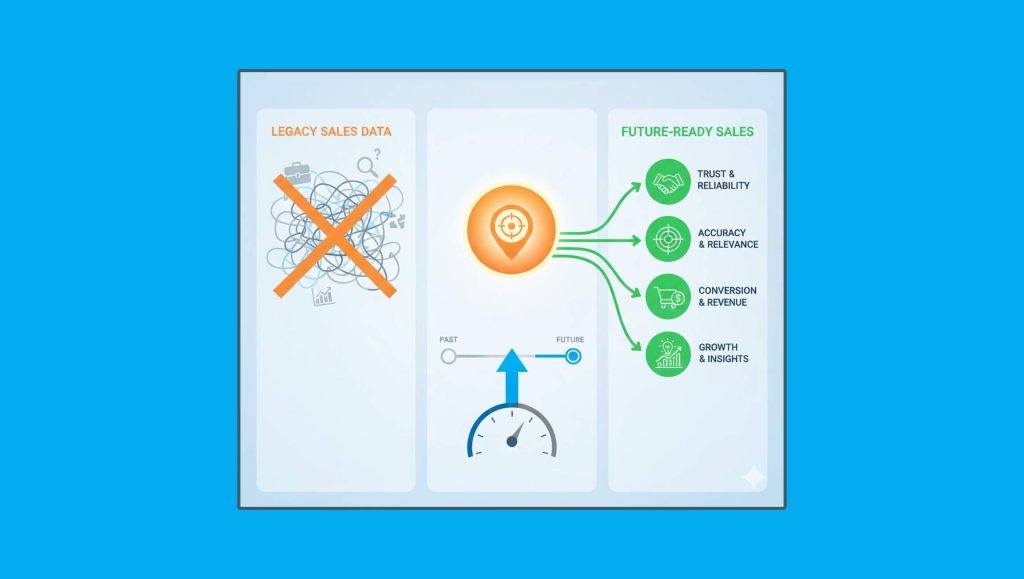
Your sellers are fighting an uphill battle to make sense of it all, working in outdated systems built for the simplest of times. Today’s SalesTech solutions are now much more than just static data depositories; they are smart relationship engines that proactively direct salespeople through the process.
Why Traditional Systems Fall Short?
Traditional CRM platforms excel at tracking what happened but struggle to prescribe what should happen next. The limitations become painfully apparent in complex enterprise sales environments.
Let’s understand why conventional systems no longer suffice:
- They capture data points without providing actionable relationship context
- They fail to recognize shifting buying committee dynamics during lengthy sales cycles
- They offer limited insights into changing stakeholder priorities and concerns
- They track activities without recommending optimal next steps based on buyer signals
How Intelligence Layers are Transforming SalesTech?
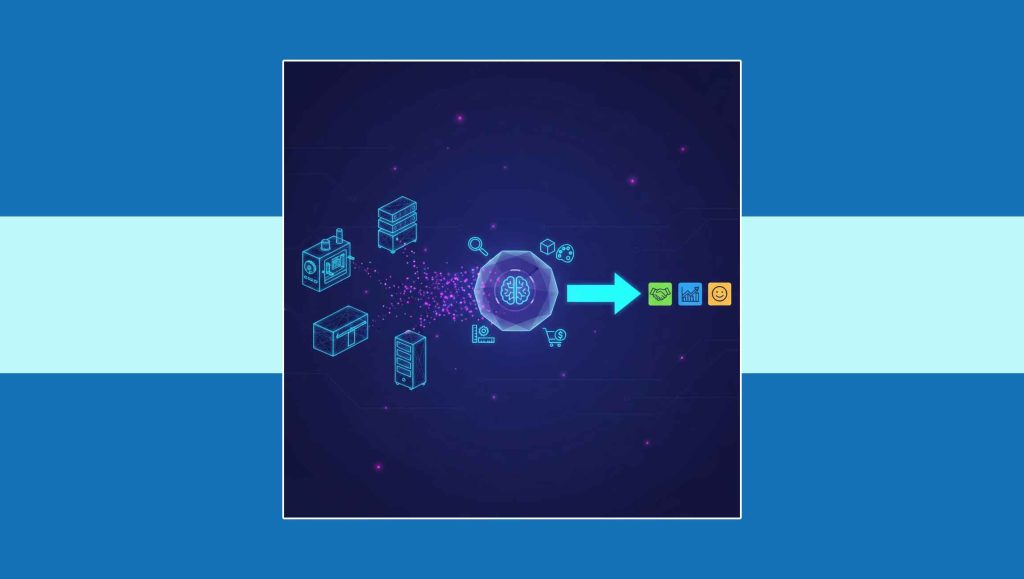
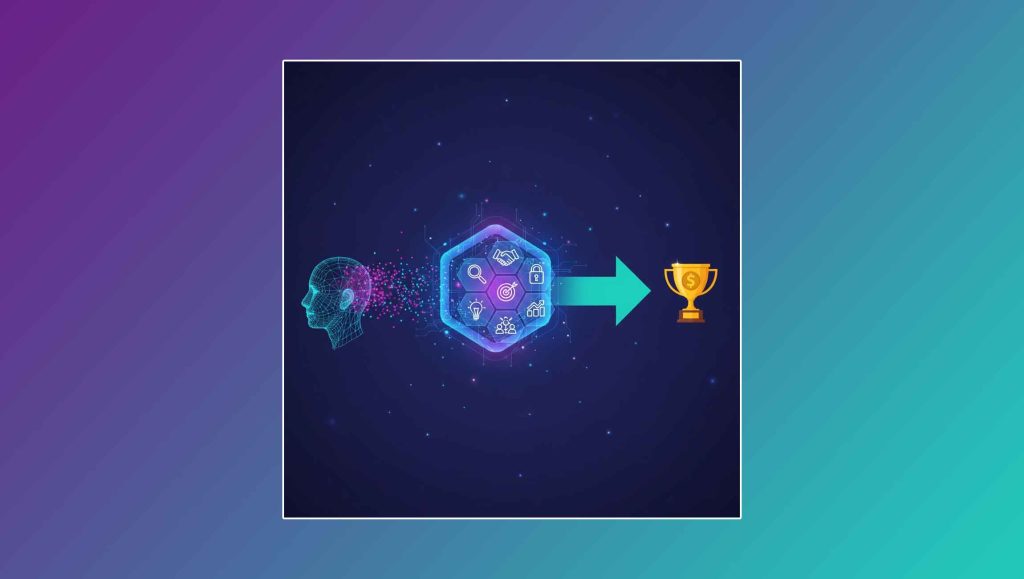
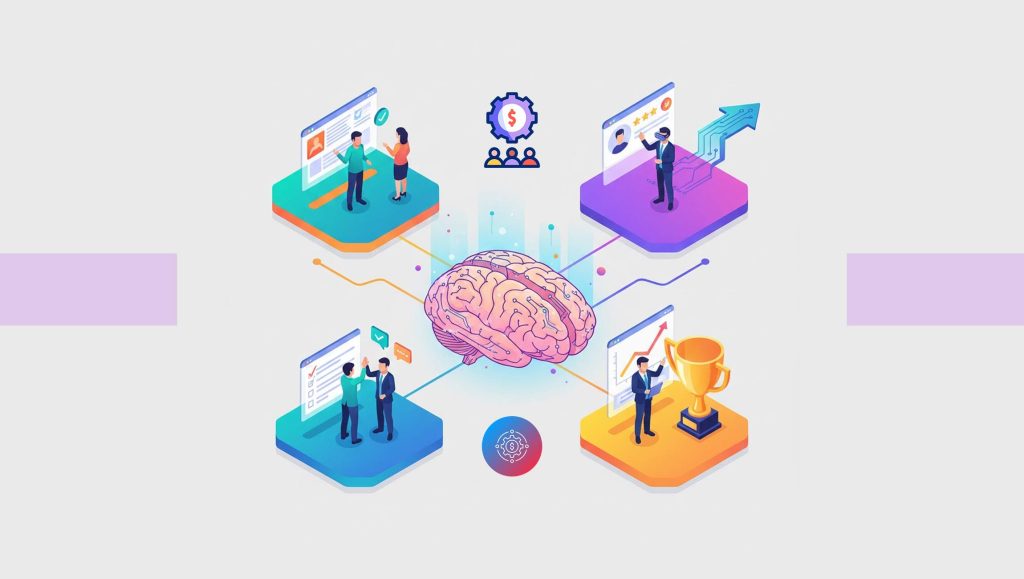
Prescriptive relationship engines represent the evolution of SalesTech from passive tracking to active guidance. These systems leverage AI and machine learning to analyze patterns across successful deals and recommend winning approaches.
The modern SalesTech stack centers around intelligence rather than data entry. By connecting relationship patterns with outcomes, these systems transform how sellers engage prospects throughout complex buying journeys. They identify subtle buying signals that humans might miss and translate them into actionable next steps for your sales team.
Understanding Today’s B2B Purchasing Dynamics
Modern B2B purchasing processes reflect fundamental shifts in how organizations evaluate and adopt solutions. Your sales strategy must align with these evolving buyer behaviors as modern buyers demand relevance, speed, and genuine value from every interaction.
-
Self-Educated Buyers:
They conduct significant research online before engaging with sellers.
-
Consensus Driven Decisions:
Multiple stakeholders often influence purchasing decisions within an organization.
-
Personalized Expectations:
They anticipate tailored communications and relevant solutions from sales professionals.
Read More: SalesTechStar Interview with Haley Gault, Senior Account Executive, Salesforce
Connecting Buyer Behavior to Effective Engagement
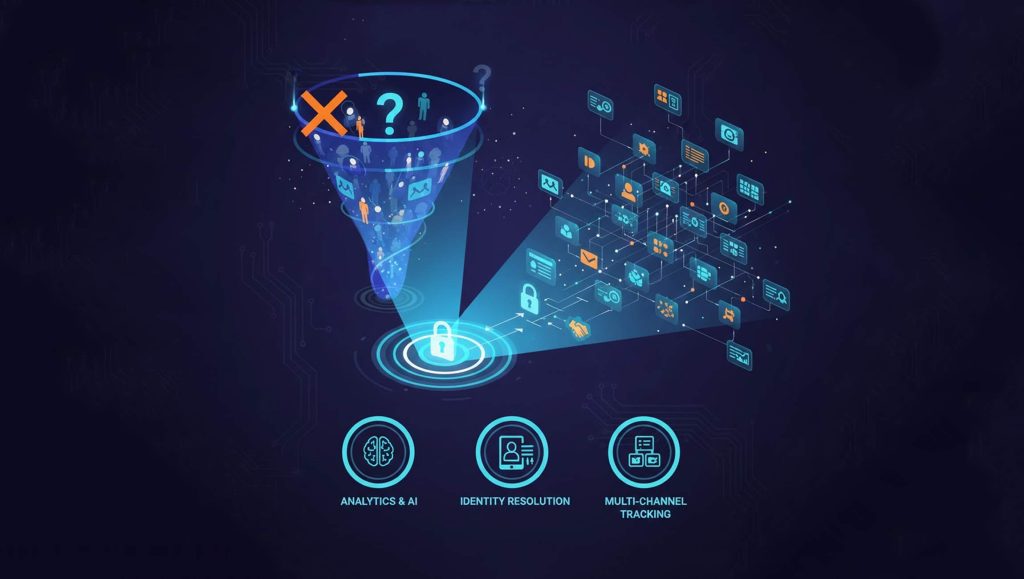
Advanced SalesTech solutions excel at identifying meaningful signals amid digital noise. These platforms map buyer behaviors to personas and recommend tailored engagement strategies.
Intent signal mapping reveals the following crucial insights:
- Which buying committee members influence decisions at each stage
- What content resonates with specific stakeholder roles and concerns
- When engagement timing aligns with prospect readiness to advance
- How different personas evaluate your solution against alternatives
- Where potential objections might emerge based on engagement patterns
Seamless Interactions Across the Buyer Journey
The goal of modern SalesTech is creating frictionless buying experiences. This requires intelligently matching engagement approaches to buyer preferences. Here are the core elements of frictionless selling:
-
Right Channel:
Engaging prospects through their preferred communication methods.
-
Right Content:
Delivering information that addresses specific persona concerns.
-
Right Timing:
Reaching out when buyers are actively researching solutions.
-
Right Tone:
Adapting communication style to match organizational culture
Essential Capabilities of Relationship Intelligence Platforms
Today’s leading SalesTech platforms incorporate several critical features that transform how sellers navigate complex relationships.
-
Predictive Deal Health:
Systems that forecast opportunity progression based on engagement quality and stakeholder responses
-
Relationship Mapping:
Visual representations of buying committees with influence scoring for each stakeholder
-
Influence Scoring:
Quantifies the impact of each stakeholder, guiding sellers to focus on decision-makers.
-
AI-Powered Communication:
Writing assistants that optimize messaging based on what resonates with specific personas
-
Cadence Optimization:
Intelligent sequencing of touchpoints based on buyer behavior and response patterns
Unifying Data Across the SalesTech Ecosystem
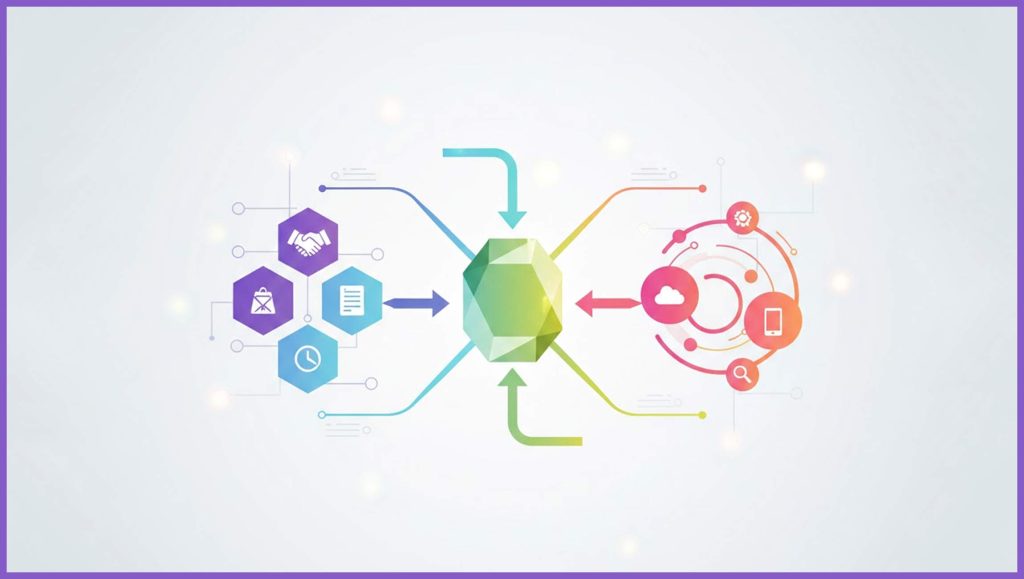
The prescriptive relationship engine must integrate with your broader SalesTech ecosystem. This integration creates a unified intelligence layer that enhances every customer interaction.
Modern SalesTech architectures integrate various systems like email clients, meeting software, content management and analytics. This combined offering gives sales a holistic view of the relationship and offers in-the-moment coaching while sellers are interacting live with their prospects.
What’s Next for Prescriptive SalesTech?
As artificial intelligence and machine learning capabilities advance, SalesTech will evolve in remarkable ways. Your sales organization should prepare for these emerging capabilities.
Next-gen applications on the horizon include:
- Conversation intelligence working through transcripts in real time
- Emotional intelligence sensing stakeholder sentiment
- Automated relationship cultivation in which connections are kept through tailored touchpoints.
Final Thoughts: Your Sellers Need a GPS, Not a Database
In today’s complex selling environment, your team needs more than a system of record. They require intelligent guidance that helps navigate the intricacies of modern buying committees and nonlinear decision processes.
Is your SalesTech stack helping sellers move forward or merely tracking where they’ve been? The competitive advantage belongs to organizations that provide their teams with prescriptive relationship engines that transform data into direction.
Read More: Behavioral Data in SalesTech: Using Micro-moments to Build Better Sales Pipelines