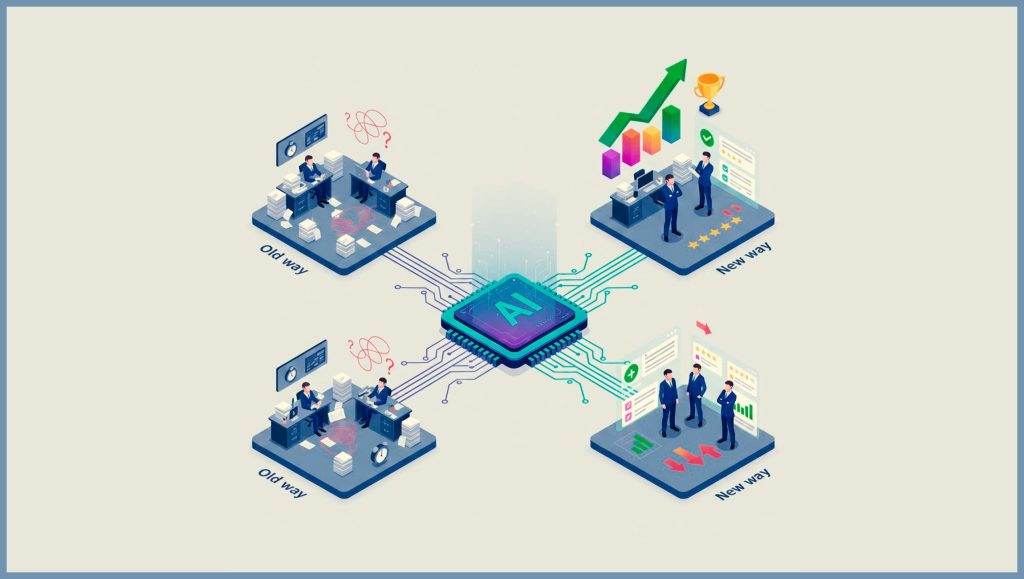
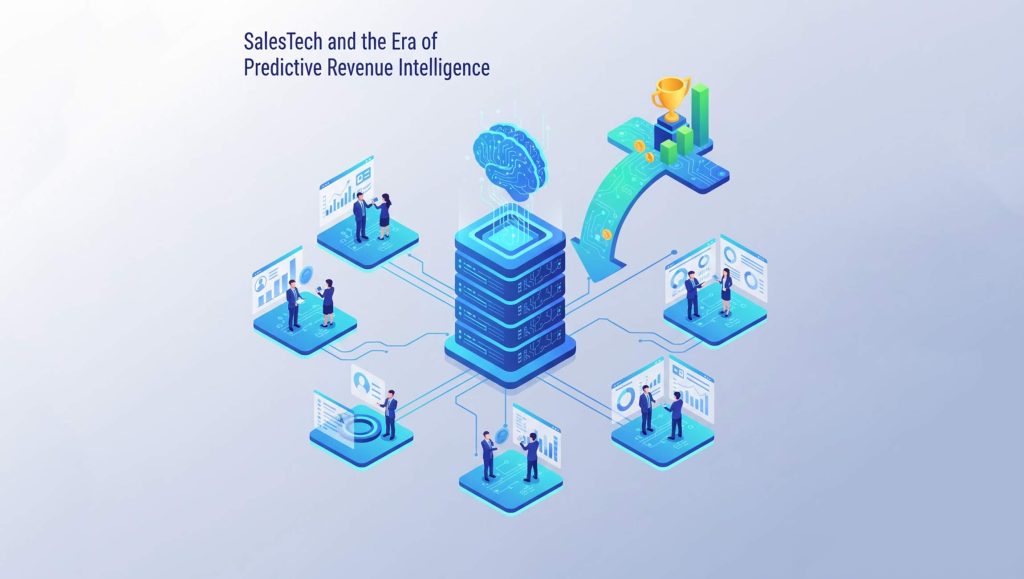
Sales technology (SalesTech) activates predictive engagement by using AI and machine learning to analyze vast amounts of behavioral data, identify unseen buyer signals, and provide actionable insights for personalized outreach. This proactive approach helps sales teams anticipate buyer needs, prioritize leads, and tailor their messaging for increased conversions and revenue.
The B2B buying journey has changed dramatically. Buyers are more informed, self-sufficient, and digitally empowered than ever before. Most prospects now traverse what’s called the “dark funnel”, a largely invisible stage of the buying process where intent is formed long before they ever talk to a sales rep.
Today, traditional sales strategies relying on surface-level signals and static outreach no longer suffice. The latest frontier of SalesTech represents predictive engagement driven by unseen buyer signals. It’s not just about who your prospects are anymore; it’s about understanding their hidden intent and engaging at the right moment.
The Dark Funnel: where deals begin unseen
The “dark funnel” refers to the silent stages of the buyer’s journey—research, peer conversations, anonymous content consumption, product reviews, and social media engagements—all happening away from your CRM. According to 6sense, nearly 70% of the B2B buying process is completed before a prospect ever interacts with sales.
Buyers today educate themselves independently through whitepapers, podcasts, webinars, and community forums. They might follow a competitor on LinkedIn, read a product comparison blog, or participate in niche Reddit threads. None of this intent data is visible through traditional CRM tools.
Defining the invisible deal magnet
The “invisible deal magnet” is a conceptual framework where SalesTech uses AI to identify and act on these subtle digital cues, often before the buyer even realizes they are ready to engage. It’s the art and science of transforming passive signals into predictive opportunity generation.
Rather than waiting for a demo request or an email reply, advanced SalesTech tools scan multiple platforms to interpret behavioral patterns and digital exhaust. It includes;
- Content engagement metrics (time on page, scroll depth).
- Search behavior (branded vs. non-branded keywords).
- Social media interactions (likes, shares, mentions).
- Intent data platforms like Bombora or Demandbase.
From signal to strategy: Enabling predictive engagement
Here’s how predictive engagement works in practice:
1. Signal Detection:
AI tools monitor web traffic, social listening tools, and third-party intent sources.
2. Intent Scoring:
Buyer behaviors are scored based on historical data and likelihood to convert.
3. Persona Mapping:
AI maps the intent signals to ICPs (Ideal Customer Profiles) and buying committees.
4. Predictive Content and Outreach:
Sales reps are alerted with recommended actions, like personalized email templates or relevant case studies to share.
For instance, Drift and 6sense combine web engagement data and AI insights to alert sales teams when a prospect from a target account visits a high-intent page multiple time.
Read More: SalesTechStar Interview with Jagan Reddy, Founder and CEO of RightRev
The Benefits: Hidden Pipeline, Better Velocity
-
Uncovering Hidden Pipeline:
Predictive insights help sales teams identify high-intent accounts previously flying under the radar.
-
Optimizing Sales Velocity:
Sellers spend less time chasing cold leads and more time engaging warm prospects.
-
Improving Forecast Accuracy:
With real-time insights, sales managers can improve pipeline quality and forecasting.
-
Shortening Deal Cycles:
By catching the buyer earlier in their journey, reps can influence decision-making more effectively.
According to Forrester, companies leveraging intent data report a 20% increase in sales conversions.
Implementing the Invisible Deal Magnet: Leadership imperatives
CIOs and sales leaders must collaborate to bring predictive SalesTech into everyday workflows. Here are key imperatives:
-
Unified Data Architecture:
Ensure integration between marketing automation, CRM, and third-party intent platforms.
-
Sales Enablement Training:
Equip sellers with knowledge on interpreting intent scores and using AI tools effectively.
-
Cross-Functional Collaboration:
Align marketing, sales, and RevOps on shared metrics and playbooks.
-
Privacy and Compliance:
Safeguard buyer data and adhere to GDPR, CCPA, and other privacy frameworks.
Organizations like Snowflake and Adobe have successfully scaled predictive sales strategies by investing in AI-led buyer intelligence platforms.
The Future of Sales Is Predictive, Proactive, and Precisely Targeted
We have entered an era where successful sales teams don’t wait for interest to become obvious, they anticipate it. Predictive engagement flips the traditional sales funnel on its head by empowering teams to act on subtle, unseen signals early.
SalesTech is no longer just about automating tasks or improving outreach. It’s becoming a digital nervous system that senses, interprets, and activates engagement at scale. The invisible deal magnet isn’t a future vision. It’s already reshaping how modern B2B sales work.
In a world where attention is scarce and intent is hidden, the teams that learn to uncover and act on what’s invisible will win the deals everyone else misses.