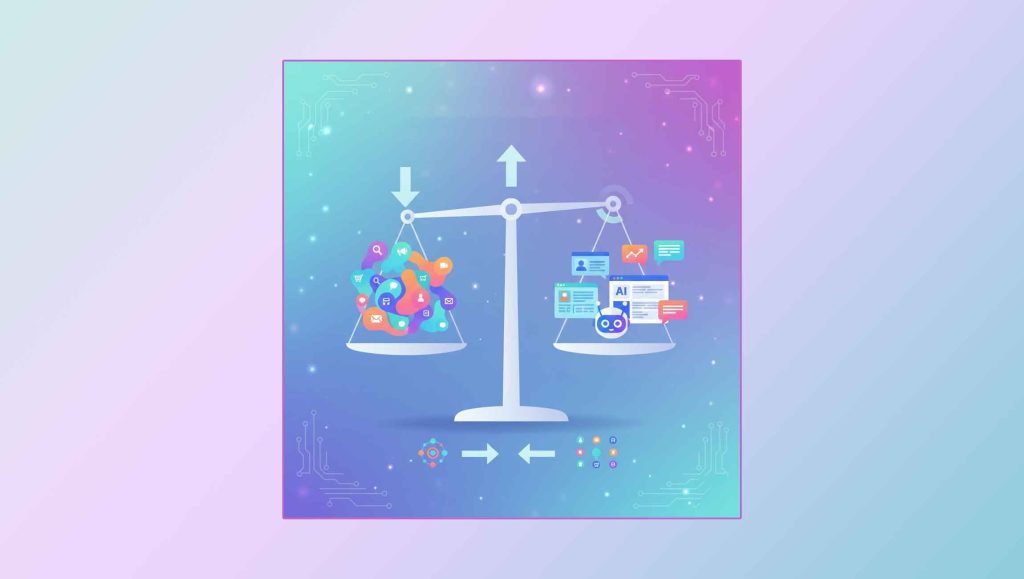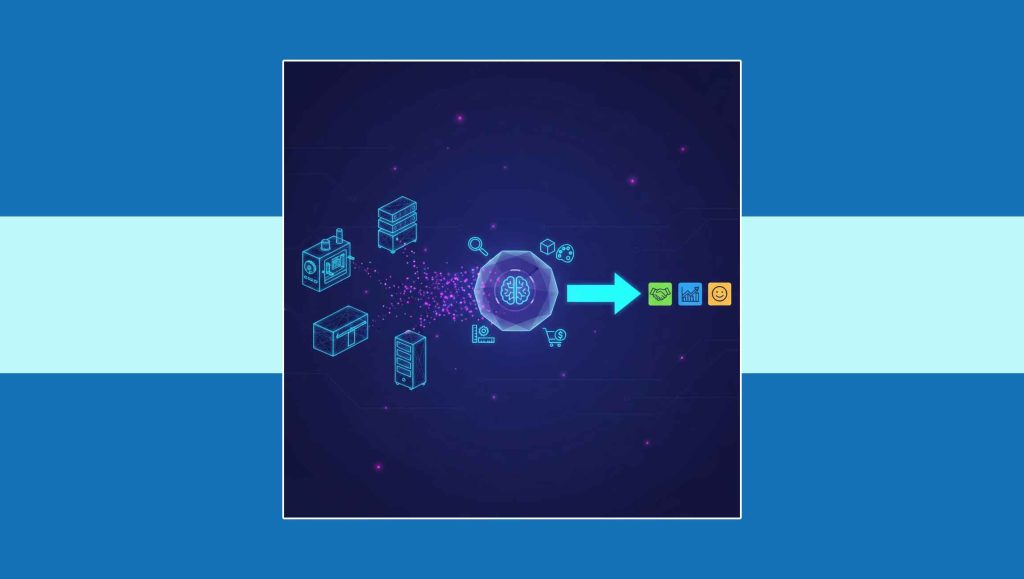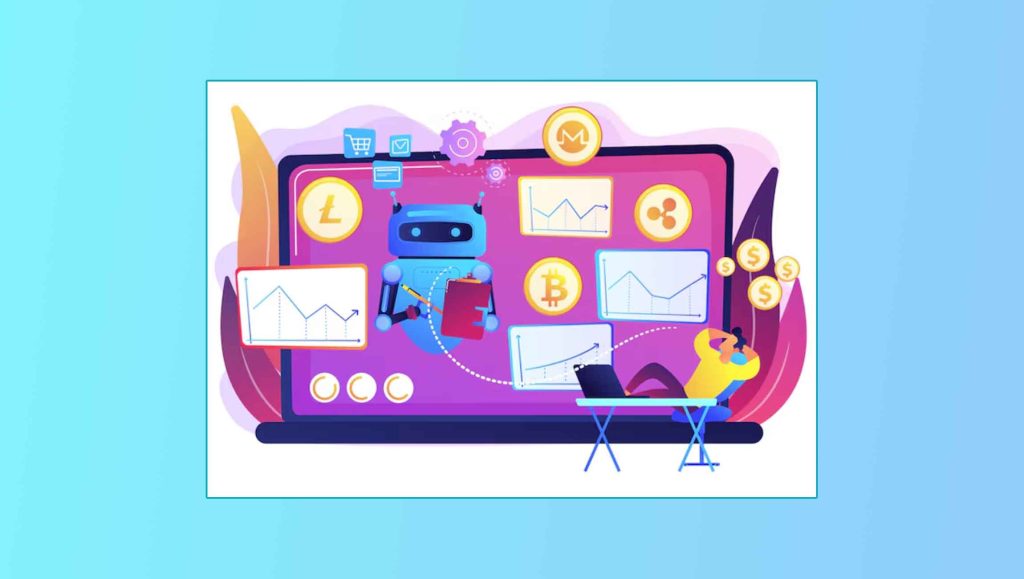
Over the past ten years, sales processes have changed a lot because of new technologies and changing client expectations. Today’s customers are more knowledgeable, connected online, and demanding than ever before. This makes businesses reconsider how they sell. Salestech has become an important tool in this changing world, enabling businesses to update their processes and stay competitive.
The quick shift to digital sales procedures is one of the biggest developments. Smart technologies that can handle huge volumes of data and give useful insights are taking the place of old approaches that depended mainly on manual work and gut feelings. This move isn’t simply about using new technologies; it’s a big change in how sales teams work and make choices. Salestech is a key part of this change since it makes platforms that bring together several functions into one system.
Sales operations are also becoming more dependent on data and smart systems. Companies are realizing that using data to make decisions leads to better results, whether it’s finding leads with a lot of promise, improving outreach efforts, or predicting revenue. Businesses may use Salestech to collect, analyze, and act on data in real time, which helps them make better decisions.
Another reason is the increased desire for efficiency, customisation, and the ability to grow. Sales teams are always under pressure to perform more with less while simultaneously giving consumers very personalized service. Salestech solves these problems by automating actions that are done over and over again, allowing for targeted involvement, and supporting operations that can grow and change to meet new needs.
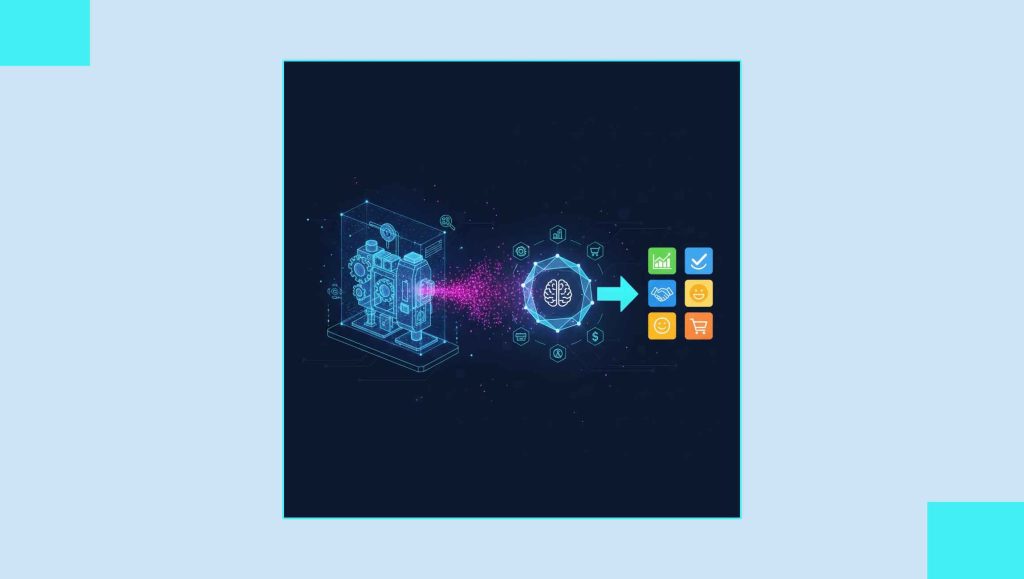
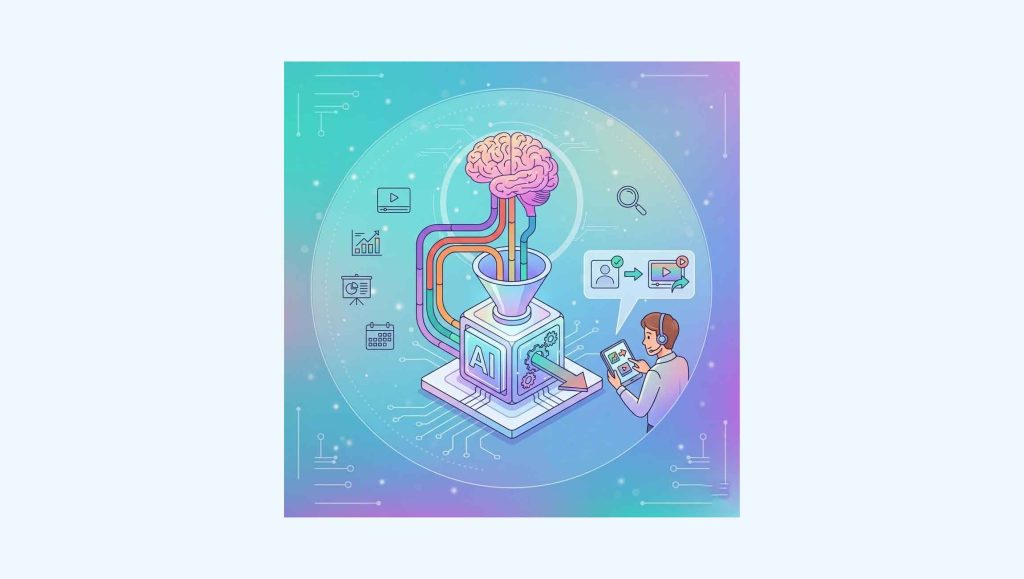
In the end, the main point of the conversation around Salestech is how well it can combine AI, automation, and analytics into sales processes. This integration is making processes smarter, faster, and more efficient. This not only boosts productivity, but it also makes the customer experience better. As more and more businesses adopt digital transformation, Salestech is becoming the most important part of modern sales operations.
The Evolution of Sales Workflows – Traditional Sales Workflows: Manual, Linear, and Relationship-Driven
Sales workflows used to be mostly manual and straight-line. Salespeople used their gut
feelings, personal connections, and past experiences to decide how to talk to consumers. Lead generation, qualification, and follow-ups were often time-consuming and required a lot of work from each person.
This method worked well for developing solid relationships, but it also had some big problems. Sales teams had a hard time scaling their efforts and keeping things consistent since they didn’t have access to real-time data or advanced technologies. People often made decisions based on what was happening right now instead of what will happen in the future. This led to missed chances and wasted time.
These problems were made worse by the fact that the different parts of the sales process didn’t work together. It was hard to get a whole picture of the client journey because each phase worked on its own. This broken approach showed that we need more organized and tech-driven solutions.
-
Early Digital Adoption: CRM Systems and Basic Automation Tools
The first big change in sales workflows happened when digital tools were added. Customer Relationship Management (CRM) systems made it easier for businesses to store and manage customer data, giving them a single place to save all of their sales information.
Basic automation tools also started to show up, making it easier for sales teams to do things like send emails and follow up. These instruments made things more efficient by cutting down on the amount of work that had to be done by hand and making communication more regular.
But there were certain problems with early digital adoption. CRM systems and automation technologies were useful, but they often worked on their own. There wasn’t much integration across multiple systems, which led to data silos and incomplete insights.
Even with these problems, this stage set the stage for the creation of more complex Salestech solutions. It showed how useful technology can be for improving sales processes and opened the door for further new ideas.
-
Shift Toward Data-Driven and Technology-Enabled Workflows
As technology changed, sales processes started to move toward a more data-driven way of doing things. Companies began to see how important it was to use data to learn about client behavior, spot patterns, and improve their strategy.
During this time, Salestech platforms started to provide complex reporting and analytics features. These technologies helped sales teams keep track of how well they were doing, see how well they were doing, and make choices based on the data. Predictive analytics made this skill even better by helping businesses guess what their customers will want and find high-value possibilities.
The addition of artificial intelligence was also a big part of this change. AI-powered systems might look at big volumes of data, find trends, and make suggestions, which would help sales teams operate faster and better.
This change toward workflows that use technology was a big step forward for sales. It helped businesses go from reactive to proactive methods, which made them more efficient and effective.
-
Emergence of Integrated Salestech Platforms
Integrated Salestech platforms are the newest step in the advancement of sales workflows. These platforms combine a number of features, like AI, automation, analytics, and CRM, into one solution.
Integration is very important in today’s sales world. Sales teams need to be able to see the whole customer experience and have tools that can help them at every step of the sales process. Integrated Salestech systems meet this need by bringing together data and functions into one place.
With this integration, teams from sales, marketing, and customer success can work together without any problems. It also makes sure that everyone has the same information for all interactions, which makes things more consistent and aligned.
Integrated Salestech platforms also help with real-time decision-making and changing procedures. For instance, data from consumer encounters can start automatic actions like tailored outreach or follow-ups. In today’s fast-paced corporate world, this level of response is quite important.
Scalability is another important benefit of linked platforms. As businesses get bigger, their sales processes get increasingly complicated. Salestech systems give you the flexibility and scalability you need to handle this complexity while still being efficient.
The change in sales workflows is part of a larger trend toward digital transformation and making decisions based on data. Sales operations have gotten more advanced and efficient, going from manual, relationship-driven processes to integrated, technology-enabled systems.
Salestech has been at the vanguard of this change, giving salespeople the tools and skills they need to update their workflows. Salestech is helping companies make their sales processes smarter, faster, and more effective by combining AI, automation, and analytics.
As this change continues, companies that use integrated Salestech platforms will be better equipped to deal with changing market conditions, meet customer needs, and expand in a way that lasts.
Role of AI in Sales Workflows
AI is already a key part of modern sales transformation, and its impact is growing in the field of sales technology. AI is helping sales teams shift away from manual tasks and toward smart, data-driven workflows as companies attempt to make things more efficient, accurate, and personalized. In today’s competitive world, AI-powered salestech platforms are helping companies find opportunities faster, connect with consumers better, and make better choices.
AI is an essential part of salestech because it can process huge volumes of data in real time. AI systems can give you useful information that improves every stage of the sales cycle by looking at how customers engage with each other, historical trends, and behavioral indications. This change is turning old workflows into systems that are dynamic and adaptable, always looking for ways to improve performance.
1. Intelligent Lead Scoring and Qualification – Using AI to Prioritize High-Value Prospects
Smart lead scoring is one of the most useful ways that AI can be used in sales technology. In the past, sales teams used simple rules or their own judgment to decide which leads to follow up on first. This often led to missed chances and wasted time. AI-powered lead scoring models look at a lot of different data points, like engagement history, demographic information, and behavioral indications, to find high-value leads.
These systems give leads scores based on how likely they are to convert in salestech. This lets sales teams focus on the best chances. This focused approach makes things more efficient and makes it more likely that deals will be closed.
-
Predictive Models for Conversion Likelihood
Predictive analytics makes lead qualifying even better by predicting the chances of conversion. AI models may look at how customers acted in the past and use that information to guess what will happen in the future. In salestech, predictive models help sales teams figure out which leads are most likely to become customers and why.
This information helps businesses customize their plans, use their resources more wisely, and cut down on wasted effort. Salestech platforms let you make better decisions based on data by using predictive models.
2. Personalized Sales Engagement – AI-Driven Recommendations for Messaging and Timing
Personalization is a big part of effective sales interactions, and AI is a big part of making that happen. AI systems in sales technology look at customer data to suggest the best ways to reach out to them, including the best messages, channels, and times.
AI may, for instance, figure out when a potential customer is most likely to respond to an email or what kind of material works best for a certain group. These insights help sales teams write messages that are more relevant and useful.
-
Tailored Outreach Based on Customer Behavior
AI-powered personalization is more than just basic segmentation. In salestech, outreach techniques are based on how customers respond, what they like, and how they connect with the company.
This level of customisation makes conversations more meaningful and relevant, which keeps people interested. When customers feel understood and respected, they are more likely to respond positively, which leads to increased conversion rates. Sales tech platforms make this feasible by constantly looking at data and changing plans on the fly.
3. Sales Forecasting and Predictive Insights – AI Models for Revenue Forecasting
For good sales planning, it is important to be able to make accurate predictions. AI is making this skill much better in salestech. Using historical data and manual input in traditional forecasting systems could lead to mistakes.
AI-powered forecasting models look at a lot of different things, like sales pipeline data, market trends, and how customers act. In salestech, these models make projections that are more accurate and reliable, which helps businesses prepare with more confidence.
-
Identifying Trends and Opportunities
AI can do more than just make predictions; it can also find new trends and chances. Salestech platforms can find patterns that human analysts might not see right away by looking at data in real time.
For instance, AI can spot changes in what customers want or point out new chances in the market. These insights help sales teams change their plans ahead of time and stay ahead of the competition. This skill is a major factor in salestech’s growth and innovation.
4. Conversational AI and Virtual Assistants – Chatbots and AI Assistants Supporting Sales Teams
Conversational AI is changing the way salespeople talk to clients. Chatbots and virtual assistants are increasingly an important part of salestech. They answer client questions right away and help with sales procedures.
These tools can do everyday things like answering queries, qualifying leads, and setting up meetings. Salestech systems automate these interactions so that salespeople can spend more time on more important and strategic tasks.
-
Enhancing Customer Interactions and Responsiveness
Being able to respond quickly is very important in today’s fast-paced world. Customers want rapid and correct answers, and conversational AI lets businesses give them what they want.
In salestech, chatbots and virtual assistants are available 24/7 to help customers, no matter where they are or what time it is. This makes customers happier and makes it more likely that they will buy.
Automation in Modern Sales Technology
Another important part of modern salestech is automation, which helps companies make procedures easier, cut down on human work, and boost productivity. Sales teams may focus on strategic activities that promote growth and revenue by automating processes and workflows that are done over and over again.
1. Automating Workflows – Automating Repetitive Tasks Such as Follow-Ups and Data Entry
One of the best uses of salestech is to automate workflows. When done by hand, tasks like entering data, sending follow-up emails, and assigning leads can take a long time and be easy to mess up.
Automation technologies included into salestech platforms do these jobs quickly and accurately, making sure they are always done the same way. For instance, automated email sequences can help leads grow over time, and data input automation ensures that CRM systems are always up to date.
-
Streamlining Sales Processes
Sales technology systems make sales processes easier and less complicated by automating common operations. This lets sales teams spend less time on administrative activities and more time on creating relationships and completing deals.
Streamlined workflows also make people more productive and speed up the process of moving leads through the sales funnel. In salestech, this efficiency means deals go through faster and more money comes in.
2. Sales Process Orchestration: Putting together multi-step sales journeys
Sales processes generally have a lot of phases and points of contact, which makes it hard to keep everything in sync. Salestech platforms solve this problem by coordinating the whole sales process and making sure that each step is done in the appropriate order.
With this orchestration feature, businesses can create and oversee complicated workflows that change based on how customers act. For instance, a prospect’s behaviors can set off certain follow-ups or content distribution, making the sales process more dynamic and responsive.
-
Ensuring Consistency Across Teams
To keep a consistent consumer experience, consistency is key. In salestech, process orchestration ensures that everyone on the team follows the same workflows and best practices.
This uniformity makes interactions better and makes sure that all clients get the same experience, no matter which agent they talk to. It also makes it easier for teams to work together, such as sales and marketing.
3. CRM and Tool Integration – Connecting Different Systems for Seamless Operations
Sales operations today depend on a number of systems and tools, including as CRM platforms, marketing automation tools, and analytics solutions. One of the most important things that salestech can do is connect these systems.
Salestech platforms build a single ecosystem by linking diverse technologies together. This allows data to move smoothly between systems. This integration gets rid of silos and makes sure that all teams can see the same information.
-
Reducing Manual Intervention
Integration also means that people don’t have to do as much work by hand. In the past, data had to be moved between systems by hand, which caused mistakes and wasted time.
Integrated systems in salestech make it easier to share and sync data, which makes it more accurate and efficient. This helps companies run more smoothly and focus on their long-term goals.
Companies are changing the way they do sales because they are using AI and automation in their sales processes. Salestech is making processes smarter and more efficient by using intelligent lead scoring, personalized interaction, predictive insights, and workflow automation.
Salestech will become more and more important as more and more organizations use these technologies. Companies who use AI and automation well will be better equipped to meet customer needs, improve performance, and flourish in a market that is becoming more competitive.
Read More: SalesTechStar Interview with Matt Price, CEO of Crescendo
Analytics as the Backbone of Sales Intelligence
Analytics is becoming the main engine behind better, faster, and more successful decision-making in today’s sales world. As businesses move toward digital transformation, salestech platforms are becoming more and more focused on advanced analytics that turn raw data into useful information. This change is changing the way sales teams work, going from tactics based on gut feelings to strategies based on data.
Analytics is more than just a reporting tool in salestech; it’s a strategic asset that helps businesses evaluate how well they’re doing, guess what will happen next, and improve workflows in real time. Businesses can get deeper insights, work more efficiently, and give customers more tailored experiences by using analytics at every step of the sales process.
1. Real-Time Performance Tracking – Monitoring Sales Activities and Outcomes
One of the most important features of salestech is the ability to track performance in real time. Sales teams work in circumstances that are always changing, so it’s important to keep an eye on what they’re doing and what happens.
Sales tech solutions give you fast access to important performance data including pipeline advancement, deal velocity, win rates, and revenue generation through real-time analytics. This lets sales management keep an eye on progress toward goals and spot problems before they get worse.
For instance, if a certain campaign or outreach plan isn’t working well, real-time insights let teams change their approach right away instead of waiting for reports every so often. This kind of response is what makes modern salestech stand out. It helps businesses stay flexible and competitive.
-
Identifying High-Performing Strategies
Real-time analytics goes beyond monitoring to assist find the techniques that work best. In salestech, this means looking at trends in transactions that worked, channels that worked well, and messages that worked.
Companies may use effective strategies across teams and campaigns if they know what works. For example, if a certain outreach strategy always gets more people to buy something, the whole company can use it in the same way.
This ongoing optimization process is at the heart of salestech. It helps firms get better over time and get the most out of their money.
2. Data-Driven Decision-Making – Using Analytics to Guide Sales Strategies
Modern sales operations are all about making decisions based on data, and salestech platforms are built to help with this. Using analytics, companies can make decisions based on facts instead of guesses.
Analytics tools in salestech help you understand how customers act, what’s going on in the market, and how well your sales are doing. These insights help sales teams figure out which leads to focus on, which channels to use, and which methods work best.
For instance, analytics can show which groups of customers are most likely to buy something or which products bring in the most money. This information helps companies use their resources better and focus on initiatives that have a big impact.
-
Improving Accuracy and Efficiency
One of the main advantages of making decisions based on data in salestech is that they are more accurate. Organizations may make better judgments and make fewer mistakes by using facts instead of gut feelings.
Analytics also makes things more efficient by simplifying tasks and getting rid of guessing. Sales teams can swiftly spot chances, set priorities, and carry out plans with confidence. In salestech, this mix of speed and precision leads to better results, such as more sales, shorter sales cycles, and more money.
3. Customer Behavior Insights – Understanding Buyer Intent and Preferences
Analytics is a very important tool for understanding how customers act and how to effectively communicate with them. In salestech, platforms look at data from many different sources to find out what buyers want and how they plan to buy it.
These insights assist sales teams figure out what customers want, how they connect with businesses, and what makes them make choices. For instance, analytics can display the products or information a potential customer has looked at or interacted with.
Salestech platforms let you have more targeted and relevant conversations with buyers by knowing their purpose. This makes it more likely that they will buy anything.
-
Improving targeting and engagement
Insights into how customers act also help in targeting and getting people involved. In salestech, these data help divide people into groups, tailor messages to each group, and improve outreach efforts.
For example, someone who is interested in a certain product can get personalized offers or recommendations. This level of customisation makes interactions more relevant and meaningful, which increases engagement.
Analytics also helps you figure out the best times and ways to reach clients so that your communications get to them when they are most likely to respond. This feature is one of the best things about salestech since it helps businesses connect with their customers better.
Advantages of Using Integrated Salestech Workflows
Sales operations are changing because analytics, AI, and automation are all being brought together on the same platform. Integrated salestech workflows have a lot of benefits that boost productivity, performance, and business success.
1. Increased Productivity and Efficiency
One of the best things about integrated salestech workflows is that they make people more productive. These technologies let sales teams focus on high-value tasks like creating connections and closing deals by automating monotonous chores and making procedures more efficient.
For instance, things like entering data, following up, and making reports can be automated, which cuts down on the work that needs to be done by hand and makes mistakes less likely. This not only saves time, but it also makes sure that all workflows are the same.
Combining diverse tools and processes makes sales tech even more efficient. Sales teams can get all the information and tools they need in one spot, so they don’t have to switch between several platforms. This smooth experience makes work flow better and makes operations less complicated.
2. Improved Lead Conversion Rates
Integrated salestech workflows also help convert more leads into sales. These technologies make lead management easier by using data insights, AI-driven suggestions, and automated workflows.
For example, smart lead scoring makes sure that sales teams focus on prospects with a lot of potential, and individualized engagement methods make it more likely that a prospect will convert. Real-time analytics also helps this process by showing what works and what doesn’t.
These features work together in salestech to make the sales funnel more efficient and successful, which leads to more sales and more money.
3. Improved Customer Experience and Personalization
In today’s market, customer experience is a significant differentiation, and integrated salestech workflows are a big part of making it better. Businesses may give customers individualized experiences that fit their needs by using data and analytics.
In salestech, personalization is based on what we know about how customers respond, what they like, and how they connect with us. This lets sales teams customize their approach to each person, making conversations more meaningful and interesting.
For instance, personalized suggestions, targeted messages, and timely follow-ups can make the customer experience much better. These features not only make people happier, but they also help them trust and stay loyal.
4. Better Alignment Between Sales and Marketing Teams
For sales and marketing teams to work together, they need to be on the same page. Integrated salestech platforms make this easier. These solutions make sure that both teams are working with the same information by giving them a single view of customer data and interactions.
In salestech, this alignment makes it easier to coordinate strategies and actions. For instance, marketing teams can give sales teams high-quality leads based on data insights, while sales teams can give marketing teams feedback on how they connect with customers.
Working together makes both teams more effective overall and makes ensuring that their work is in line with the company’s goals.
5. Scalable and Data-Driven Sales Operations
Another important benefit of integrated salestech workflows is that they may grow with your business. As businesses grow, their sales processes get more complicated, so they need systems that can handle more data and interactions.
Salestech systems are made to expand with the business, giving it the flexibility and power it needs to keep growing. Organizations can keep their efficiency and performance up even as they grow by using data-driven insights.
Automation and AI skills also help with scalability since they let businesses handle bigger workloads without having to hire more people. This means that salestech is a must-have for firms that want to expand and compete in a market that is always changing.
Sales teams are changing the way they work thanks to analytics and linked workflows. Salestech is making sales processes smarter and more efficient by using real-time insights, data-driven tactics, and cutting-edge technologies.
There are several evident benefits to salestech, such as higher conversion rates, better customer experiences, and better team cohesiveness. As more and more organizations use these tools, they will be better able to deal with the challenges of today’s sales environment and expand in a way that lasts.
Challenges in Integration
As businesses keep using new tools and platforms, making sure that all of their systems work together in a single sales ecosystem is still one of the hardest parts of digital transformation.
Salestech promises to make things run more smoothly, automate tasks, and add intelligence, but getting everything to work together smoothly is not easy. To get the most out of linked workflows, businesses have to deal with technological, operational, and cultural problems.
1. Data Silos and Integration Complexity
Data silos are one of the biggest problems that keep coming up in salestech integration. A lot of businesses use a lot of different tools, like CRM systems, marketing automation platforms, analytics tools, and customer care systems. Each of these products makes its own dataset. When these systems work on their own, the data becomes broken up, which makes it hard to see the whole client journey.
To break down these silos in salestech, you need strong integration frameworks and data architecture. But it might be hard from a technical point of view to make sure that data formats are the same, that data is always correct, and that data quality is high across systems. Legacy systems make things even harder because they might not work with contemporary APIs or integration standards.
As businesses grow, things get more complicated. Making sure that data flows smoothly is a big job when there are more tools and touchpoints. If salestech systems aren’t properly integrated, they won’t work as well since insufficient or inconsistent data leads to wrong insights and bad decisions.
2. High Implementation Costs and Technical Requirements
The cost of putting salestech integration into place is another big problem. To build a completely connected ecosystem, you need to spend a lot of money on technology, infrastructure, and experts. The cost can be high, from buying software licenses to setting up cloud-based systems and connecting APIs.
Companies that use salestech must also spend money on customization and setup to make sure that the platforms fit their unique workflows and business needs. This sometimes means employing developers and consultants with specific skills, which raises expenses even more.
Technical requirements make things much more complicated. To use modern salestech solutions, you need a robust IT base with things like data infrastructure, security systems, and architectures that can grow. For a lot of businesses, especially smaller ones, completing these standards might make it hard to adapt.
Even with these problems, businesses know that the long-term benefits of salestech, like more efficiency and more sales, are generally worth the initial cost. But careful preparation and resource allocation are necessary to make sure the implementation goes well.
3. Resistance to Change Within Sales Teams
Adopting new technology is not just a technical problem; it’s also a human one. Resistance to change is a common problem when integrating salestech, especially for sales teams that are used to doing things the old-fashioned way.
Salespeople generally depend on tried-and-true methods and relationships, so adding new technologies can throw these habits off. Some people on the team might think that salestech is too complicated or worry that automation could take their jobs.
To get beyond this resistance in salestech, you need to use good change management techniques. Companies need to make sure that everyone knows how new systems will help them, provide them enough training, and include sales teams in the process of putting them in place.
Leadership is really important for getting others to use something. Businesses can get their staff to see salestech as a tool that makes them better instead of replacing them by creating a culture of innovation and learning.
4. Data Privacy and Compliance Concerns
As data becomes more important to sales, privacy and compliance have become very important parts of salestech integration. GDPR, CCPA, and other regional data privacy regulations set tight rules for how businesses can collect, keep, and use client data.
To make sure that salestech is compliant, you need to put in place strong data governance mechanisms. Companies need to have clear rules about how data can be used, get permission from users, and make sure that private information is safe.
It can be hard to find a balance between following the rules and using data well. Businesses need data to get insights and make things more personal, on the other hand. They also need to follow the rules and keep their customers’ trust.
Another crucial thing is safety. Because salestech platforms connect different systems, they might make them more vulnerable, which requires specialized cybersecurity measures to fix. If you don’t do this, you could lose data and hurt your reputation.
5. Need for Skilled Workers and Training
Having skilled workers is very important for the success of salestech. To use advanced platforms, you need to know a lot about things like data analytics, AI, machine learning, and system integration.
But there is a rising skills gap in these fields, which makes it hard for companies to locate skilled workers. In salestech, this divide can make it harder for people to use new solutions and make them less productive.
Training is just as vital. Sales teams need to know how to use new tools well and have the abilities to do so. Even the best salestech platforms may not work as well as they could if they aren’t properly trained.
To create their own skills, businesses need to spend money on programs that help employees learn and grow all the time. This includes not only instruction on how to use technology, but also how to make decisions based on data and how to use digital workflows.
The Future of Sales Workflows That Work Together
As companies get better at integrating their systems, the future of sales workflows is being dictated by how quickly technology is changing. Sales tech is becoming a smarter, more independent, and more connected environment that will change the way sales teams work.
1. Rise of AI-Driven and Autonomous Sales Systems
Artificial intelligence will be much more important in the future of salestech. More and more, we are seeing autonomous systems that can look at data, make decisions, and carry out actions.
These systems will do things like qualify leads, reach out to them, and follow up with them with very little help from people in sales tech. This will let sales teams focus on important tasks like making connections and closing deals.
AI-powered systems will also make it possible to keep improving. These systems can get better over time by learning from past interactions and changing their techniques. This kind of smartness will be a key aspect of sales tech platforms in the future.
2. Greater Use of Predictive and Prescriptive Analytics
Analytics will keep changing, and its ability to make predictions and give advice will get better. In salestech, predictive analytics will guess how customers will respond and what sales will happen, while prescriptive analytics will suggest the best steps to take to get the results you want.
With these skills, businesses will be able to go from reactive to proactive methods. Businesses may now look forward to opportunities and act on them instead of just reacting to things that happen.
This change in salestech will make sales processes more efficient and productive since teams will be able to focus on the most important tasks and make decisions based on data with certainty.
3. Expansion of Real-Time Personalization in Sales Interactions
In the future of salestech, personalization will be even more important. Customers want interactions that are suited to their requirements and wants, and real-time customisation will be the most important way to achieve these objectives.
In salestech, companies will be able to offer very tailored experiences in real time thanks to improved data processing and AI. This includes personalized messages, suggestions for products, and prices that change based on demand.
Personalization in real time will make customers more interested and raise conversion rates. It will also assist establish stronger relationships because clients will feel that they are understood and respected.
4. Integration with new technologies including conversational AI, voice, and AR/VR
The future of sales technology will also be defined by how new technologies work together. Voice interfaces, conversational AI, and augmented and virtual reality (AR/VR) are already starting to change how people interact with salespeople.
Conversational AI will make it easier to talk to customers in a more natural and interactive way, and voice technology will make things easier and more accessible. AR and VR will let customers explore products and services in new ways by making them feel like they are really there.
Combining these tools will create new ways to engage and set yourself out in sales tech. Companies who use these new ideas will have a better chance of standing out in a crowded market.
5. Continuous Evolution of Salestech Ecosystems
Innovation and shifting market conditions are always transforming the salestech ecosystem. New tools, platforms, and features are always coming out, giving firms new ways to improve their sales processes.
Sales technology platforms will become more adaptable and modular in the future, so companies may build their ecosystems to fit their needs. This capacity to change will be important for keeping up with new technology and what customers want.
Collaboration between vendors, developers, and businesses will also be important for the future of salestech. Stakeholders may come up with more integrated and effective solutions that deal with the problems of modern sales by working together.
Advanced technologies are changing the way businesses function by being added to sales workflows. There are problems that need to be solved, such data silos, expensive costs, and talent gaps, but salestech has a lot of potential.
As AI-powered systems, complex analytics, and new technologies continue to grow, salestech will become more and more important for making sales. Companies who accept these changes and put money into integration will be better able to deal with the future and grow in a way that lasts.
Conclusion
The combination of AI, automation, and analytics has completely changed the way modern sales workflows function. This is a big change from the old, manual ways of doing things to smart, data-driven solutions. Companies are no longer depending on gut feelings or separate tools; instead, they are using interconnected technology that improves every step of the sales process. This change has helped companies run their businesses more smoothly, make better decisions, and give customers more personalized experiences. Salestech has become a great tool for businesses to adapt to a world that is getting more complicated while still being efficient and flexible.
One of the best things about this connection is that it lets you make sales processes that are smarter and faster. AI-driven insights help teams find high-value opportunities, while automation makes it easier to do jobs that need to be done over and over again. Analytics also gives you real-time information on performance, which lets you keep improving. These features work together to make sure that sales teams can work more accurately and effectively. Because of this, Salestech is not only making people more productive, but also changing how sales plans are planned and carried out.
Unified systems are just as vital for reaching efficiency and scalability. In the past, technologies that didn’t work together and data that wasn’t integrated often made it hard to see what was going on and made operations less efficient. Integrated platforms combine data, processes, and technology into one ecosystem, making it easy for businesses to handle complicated operations.
This unified approach makes sure that all teams are on the same page, makes it easier for them to work together, and gives a complete picture of the client journey. Salestech is a key part of making this integration possible by providing platforms that connect different functions and break down barriers.
Another big benefit of unified systems is that they may grow with your needs. As companies get bigger, their sales processes get more complicated. They need systems that can manage more data and interactions without slowing down. With the help of Salestech, businesses can easily grow their efforts by using automation and AI to handle bigger workloads while still providing a high level of personalization and efficiency. In a competitive industry where customer expectations are always rising, this ability to grow is quite important.
In the end, Salestech is a major factor in modern sales performance and competitive advantage. It gives businesses the power to work smarter, respond faster to changes in the market, and provide better customer service by mixing AI, automation, and analytics into integrated workflows. Companies that use these technologies are better able to remain ahead of their competition, meet changing client expectations, and grow in a way that lasts.
In conclusion, the effect of adding sophisticated technologies to sales processes is quite important. Not only is the shift toward unified, data-driven systems a trend, it’s also a must for businesses that want to do well in the digital age. Salestech will continue to lead the way in this change as it develops. It will shape the future of sales and help firms reach new levels of performance and innovation.