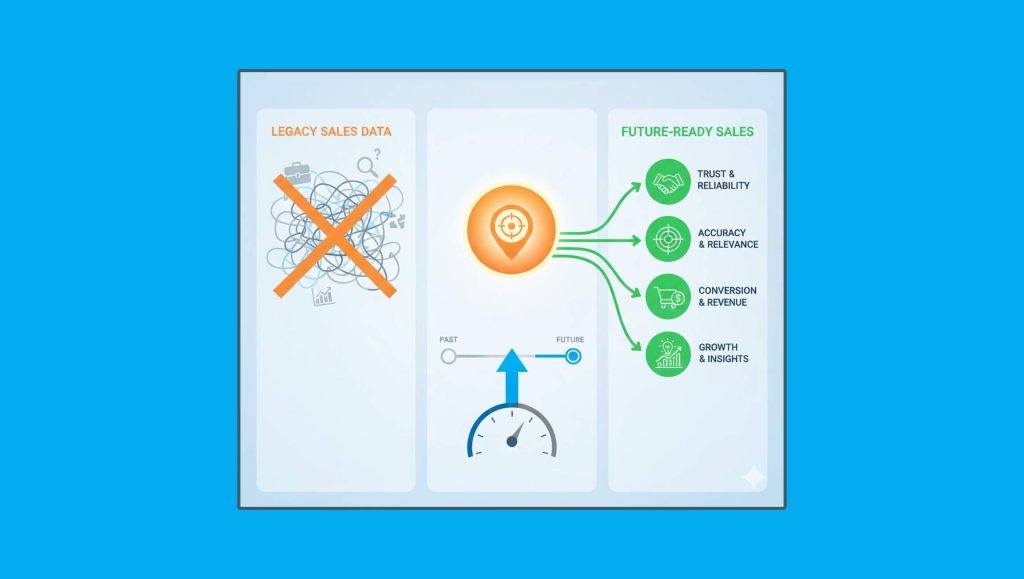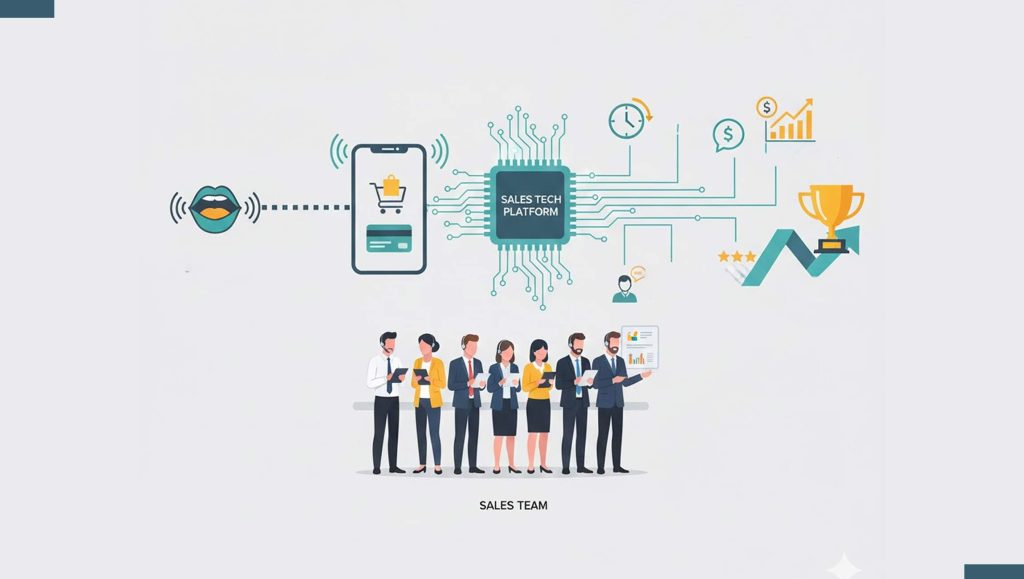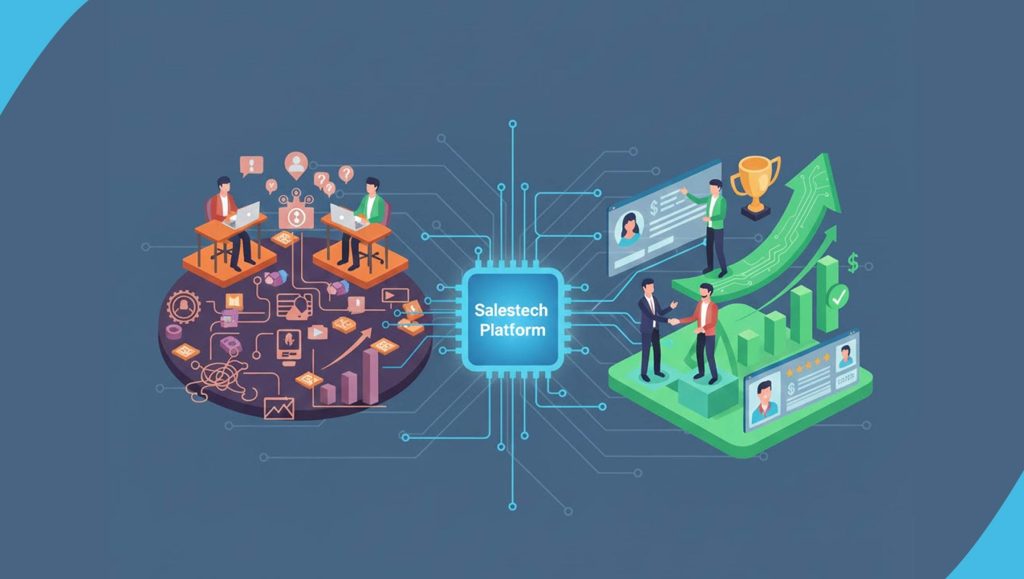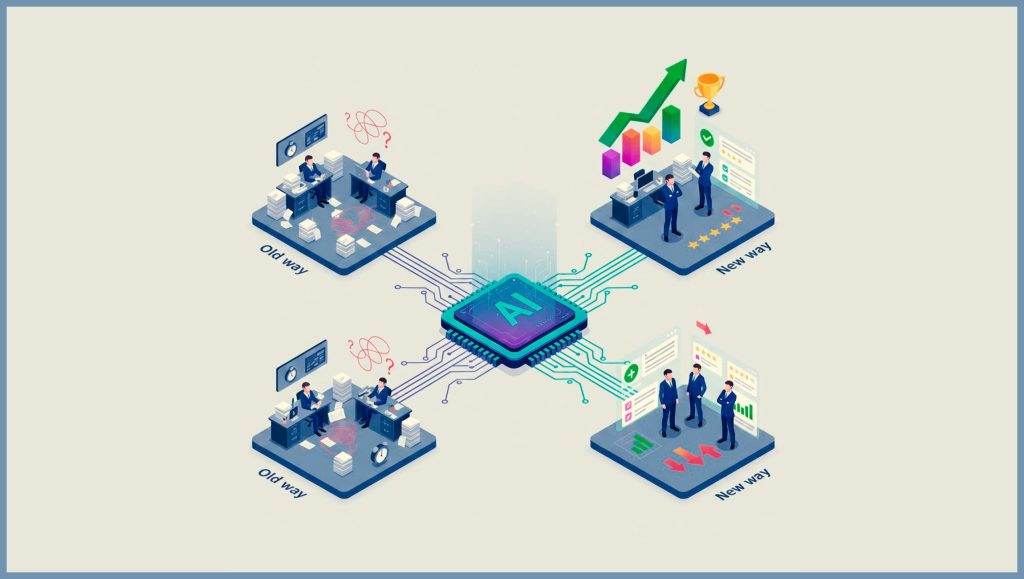
The sales ecosystem has undergone a fundamental transformation in recent years. Traditional salestech approaches relied heavily on gathering data without explicit permission, tracking prospect behaviors invisibly, and interrupting potential buyers with unsolicited outreach.
This paradigm created several problematic dynamics:
- Erosion of trust when prospects discovered they were being tracked
- Declining response rates as buyers became overwhelmed with unsolicited contact
- Growing regulatory scrutiny as privacy laws expanded globally
- Escalating technology costs to overcome buyer avoidance tactics
- Increasing public skepticism toward sales practices generally
Forward-thinking sales organizations now recognize these approaches represent a dead end. Modern salestech tools emphasize permission-based engagement, transparent data practices, and authentic relationship building.
The Privacy Awakening: Why Buyers Demand Consent
Today’s B2B buyers have become significantly more privacy-conscious. This shift reflects broader societal concerns about data collection and personal information usage that now extend firmly into professional contexts.
- The modern buyer has fundamentally changed their expectations around data practices:
- Business decision-makers increasingly scrutinize how vendors collect and use their information.
- Many have terminated vendor relationships upon discovering questionable data practices.
- Preference has shifted toward organizations that proactively disclose their data collection methods and request explicit permission.
These trends accelerated following several catalysts:
- High-profile corporate data breaches that exposed millions of records
- Increasingly aggressive sales tactics that characterized the 2010s
- Implementation of comprehensive regulations like GDPR in Europe, CCPA in California, and similar frameworks worldwide.
Salestech vendors recognized this transformation and responded by developing entirely new categories of tools designed specifically for compliance and transparency in customer engagement.
Reimagining Sales Relationships
Sales leaders increasingly recognize that trust represents their most valuable asset in prospect relationships. Privacy-forward approaches using consent-based salestech create foundations for this trust from the very first interaction.
The transition involves several key shifts:
- From capturing contact details through deceptive means to offering genuine value in exchange for intentional information sharing.
- From tracking behaviors invisibly to requesting explicit permission before monitoring engagement.
- From mass outreach based on demographic criteria to targeting individuals who have indicated specific interest.
- From assuming continuous permission to implementing preference management systems that respect changing consent.
This approach transforms the fundamental sales relationship from adversarial to collaborative, creating a healthier dynamic for both parties.
Read More: SalesTechStar Interview with Adam Carr, Chief Revenue Officer at Apollo.io
The Privacy-First Salestech Stack
Building a consent-based selling motion requires specific salestech capabilities. Modern sales technology has evolved to support ethical engagement while maintaining effectiveness.
Consent-Forward CRM Systems form the foundation by:
- Tracking explicit permission granted by prospects
- Maintaining comprehensive consent history records
- Automating permission renewal requests
- Facilitating rapid data deletion when requested
- Supporting granular permission categories
Compliant Prospecting Tools help sales teams identify potential customers without violating privacy expectations through:
- Aggregating only publicly available business information
- Focusing on company-level data rather than personal details
- Emphasizing opt-in discovery mechanisms
- Providing transparency about data sources
- Enabling easy opt-out processes
Preference Management Portals empower prospects to control their relationship with your organization by selecting:
- Which topics interest them
- Preferred communication channels
- Acceptable contact frequency
- Types of content they wish to receive
- Data points they’re willing to share
Cookieless Analytics Alternatives provide valuable insights without invasive tracking by utilizing:
- First-party data collection with explicit consent
- Anonymous aggregate tracking rather than individual surveillance
- On-device processing that keeps personal data local
- Contextual targeting versus behavioral profiling
Competitive Differentiation: Privacy as a Sales Advantage
Organizations embracing consent-based selling gain significant competitive advantages. Privacy-first approaches using modern salestech create multiple benefits beyond regulatory compliance.
The most successful companies leverage privacy as an explicit selling point. They highlight their ethical data practices in sales materials, train representatives to discuss privacy protections confidently, and position themselves as trustworthy stewards of customer information.
This approach resonates particularly strongly in:
- Industries with sensitive data requirements
- Enterprise environments with stringent security policies
- Organizations with previous breach experiences
- Markets with heightened privacy regulations
- Sectors where trust represents a critical decision factor
When salestech supports transparent engagement, sales cycles often accelerate as trust barriers diminish more rapidly.
Implementation Realities: Navigating the Transition
Transforming an organization toward privacy-first selling practices creates both opportunities and challenges. The transition requires careful planning and appropriate salestech investments.
Successful implementations typically follow these principles:
- Start by auditing existing data practices to identify privacy vulnerabilities. This assessment reveals immediate risks requiring remediation before building new capabilities.
- Involve legal, sales, marketing, and technology stakeholders from the beginning. Privacy transformation affects each department differently and requires cross-functional alignment.
- Train sales teams thoroughly on both compliance requirements and messaging approaches. Representatives must understand why privacy matters and how to communicate this value to prospects.
- Measure impact thoughtfully, recognizing that traditional metrics might shift during transition periods. New indicators tracking consent strength and trust development often provide better guidance.
Why Privacy Pays Dividends for Businesses?
Beyond ethical considerations, privacy-first selling delivers measurable business benefits. Organizations leveraging appropriate salestech for consent-based approaches typically report:
- Higher response rates to initial outreach
- Increased conversion from prospect to customer
- Stronger customer retention metrics
- Reduced regulatory compliance costs
- More effective sales representative productivity
These outcomes result from fundamental improvements in relationship quality. When prospects engage willingly rather than through manipulation or coercion, the resulting conversations produce more valuable outcomes for both parties.
Final Words
Tomorrow’s sales leaders will distinguish themselves not merely through persuasion skills but through ethical listening capabilities. They’ll leverage salestech to create permission-based relationships where consent becomes not a limitation but a launchpad for meaningful conversations, higher-quality data, and ultimately more human selling experiences.
Read More: The Sko Paradox: From Hype to Execution – Fixing Sales Kickoffs for Real Performance Gains