
New report reveals widespread public scepticism around sales, but better human connection could fix the image problem, as over 40% say an honest acknowledgement of pros and cons would help
Pipedrive, the easy and intelligent CRM for small and medium-sized businesses, released its new UK report, Hard sell: How sales teams can reclaim the profession. This examines the gap between public perception and the reality of working in sales in 2026. Most notably, less than a quarter (21%) of the UK public trusts sales professionals, with a third (33%) viewing the profession negatively. At the same time, just 18% say they have a positive opinion of salespeople, compared with 48% who hold mixed views.
Pipedrive released its new UK report, Hard sell: How sales teams can reclaim the profession. This examines the gap between public perception and the reality of working in sales in 2026.
This ‘sales shame’ is having a real impact on sales and business performance, becoming a potential drag on UK business health and revenue. Two thirds (67%) of salespeople say negative perceptions of the profession have affected their performance, rising to 82% among young professionals (18-34 year-olds). More than a quarter (27%) say those perceptions have lowered work morale, while 22% say they have rebranded what they do to avoid saying they work in ‘sales’.
Read More: SalesTechStar Interview with Ilyas Kurklu, Co-founder and CEO of Replenit
The emotional toll also varies by gender, the data shows that women are more likely to feel judged as “only caring about commission” (49%), while men are more concerned about being seen as dishonest (38%) or lacking expertise (34%), highlighting how negative perceptions are not just widespread, but deeply personal in how they shape morale and performance.
Sales: a condemned profession?
Based on data sourced by Sapio Research, the findings reveal a sharp disconnect between UK public perception of salespeople and how sales professionals see their role. While sales remains one of the UK’s most misunderstood professions, there is an opportunity to rebuild trust through empathy, honesty and stronger human connection.
At the same time, the findings highlight a path forward. More than half (53%) of the UK public say they would trust a salesperson more if there were no pressure to make an immediate decision. Others say trust would grow through honest acknowledgement of pros and cons (43%), transparency around pricing (41%) and a clear understanding of customer needs (37%). Together, the results suggest that the future of sales depends less on persuasion and more on empathy, credibility and relationship-building.
Read More: You Have Cloned Your Voice. Now Your AI Is Making Cold Calls
Reboot the robots
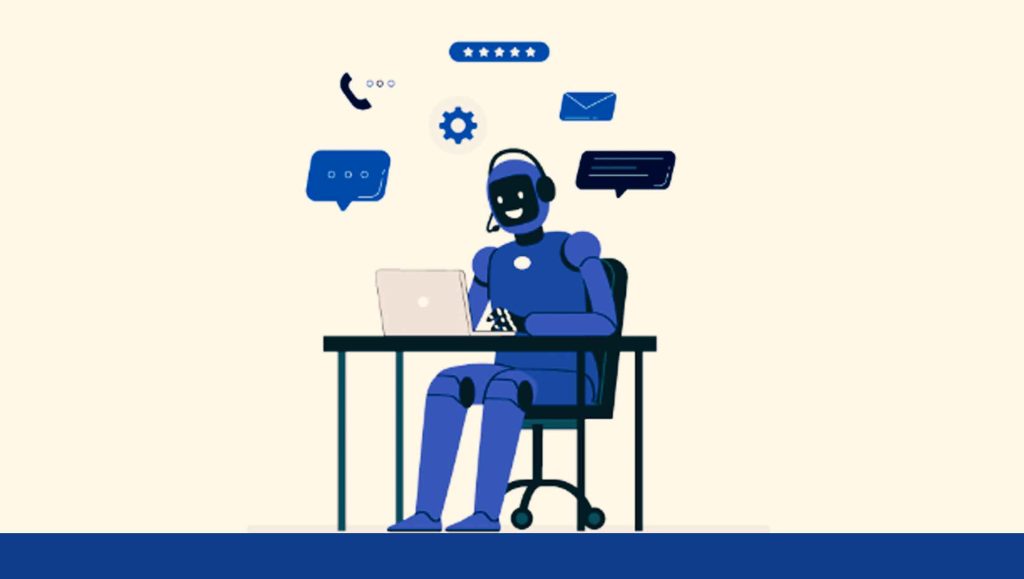
Unfortunately, the rising prevalence of sales chatbots offers no better solution. A quarter (24%) of AI users are already using an AI shopping assistant, according to Kantar’s Connecting with the AI consumer report 2025. The Pipedrive report also reveals that while AI-driven sales tools are becoming more common, public trust in them remains limited. Of the general public who are not very open to buying AI-driven sales tools, half (55%) say they do not fully trust AI, and 46% say they value human connection. Rather than replacing salespeople, this points to an opportunity for the profession to lean further into the qualities technology cannot replicate: empathy, judgement and authentic communication.
Paulo Cunha, CEO at Pipedrive said: “Most people still picture sales the old way: pushy, transactional and impersonal. That stereotype stuck around far longer than it should, and it doesn’t reflect the reality of what good sales looks like today.
“Trust is the real currency in a buyer’s journey. As AI becomes more common, the human side of sales, honesty, empathy and genuine understanding, is what will separate a great business relationship from a bad one. Sales is about partnership, and the profession needs to be recognised for the value it really brings between people exchanging value in a much more connected world. Sales people must learn to work around these real irks that consumers dislike so much, and connect more positively.”