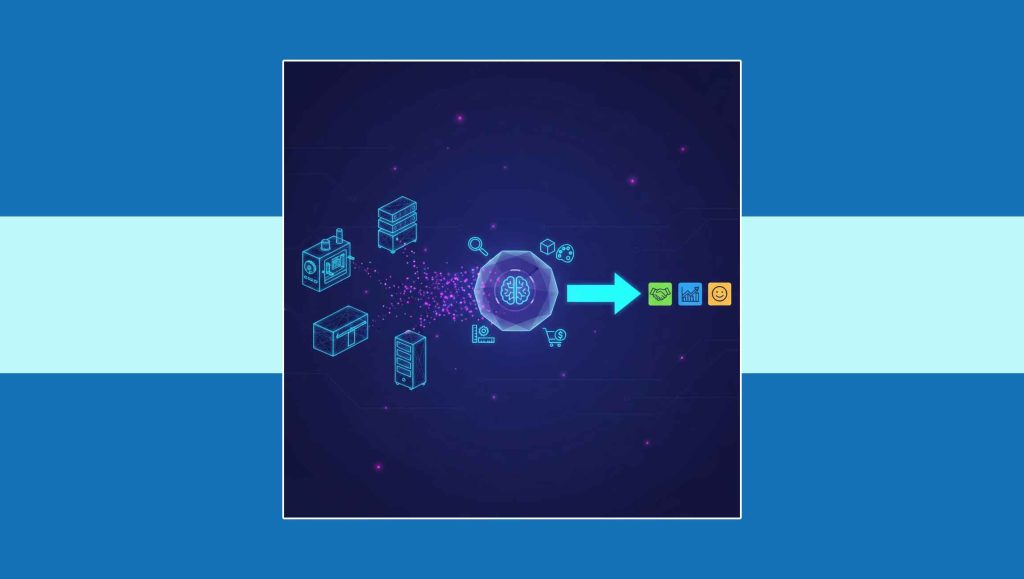

The AI-native solution helps brands manage the customer relationship after checkout to reduce returns, grow margins, and build loyalty through value-based segmentation and dynamic policies.
Extend, the leader in post-purchase solutions, introduced Shopper Operations, an AI-native commerce platform that helps brands manage the customer relationship beyond checkout to increase profitability and loyalty. The platform unifies delivery, returns, exchanges, and warranty claims within a single system and uses Extend Shopper Intelligence to analyze customer behavior in real time, segment shoppers by value and risk, and dynamically tailor policies accordingly.
New research from GlobalData and Extend finds that returns friction puts $377 billion in retail revenue at risk over the next decade as consumers quietly respond to restrictive policies by reducing spending.
For years, brands have relied on sophisticated marketing and CRM tools to acquire and engage customers before the sale. The subsequent journey that begins at checkout remains fragmented, leaving valuable customer insights untapped. This fragmentation is becoming more costly as retailers face growing pressure to manage returns without imposing blanket restrictive policies that jeopardize loyalty. Shopper Operations brings real-time intelligence to the post-purchase journey, turning behavior after checkout into a new source of profit and retention.
Read More: SalesTechStar Interview with Mark Walker, CEO at Nue
Customers are Quietly Responding to Restrictive Returns Policies by Spending Less
Returns policies are increasingly shaping purchase behavior. New research from GlobalData and Extend finds that returns friction puts $377 billion in retail revenue at risk over the next decade as consumers quietly respond to restrictive policies by reducing spending. The study shows that nearly half of U.S. consumers have avoided purchasing from an online retailer over the past year because it did not offer free returns, and more than 70 percent say strict return policies make them buy less. Meanwhile, most retailers are introducing return fees to offset the cost of roughly $850 billion in annual returns.
“The real problem is that most retailers can’t distinguish their most valuable customers from those quietly eroding profit,” said Woodrow Levin, CEO and co-founder of Extend. “A small percentage of high-risk shoppers drive disproportionate returns costs, yet brands rely on one-size-fits-all policies that fail to stop fraud and abuse. Shopper Operations changes that— brands can give great customers the experience they’ve earned while protecting margins.”
Read More: How API-First SalesTech Is Redefining Revenue Operations?
A Small Percentage of Customers Drive Outsized Costs and Revenue
Extend data shows that a small segment of customers accounts for a significant share of both costs and revenue across retail categories.
- For the average fashion brand, just two percent of customers drive up to 30 percent of returns costs. In beauty, three percent account for up to 45 percent.
- Revenue is similarly concentrated: the top 10 percent of customers generate nearly half of net sales.
- Fraud and abuse follow the same pattern: fewer than 10 percent of shoppers account for half of total costs.
This imbalance underscores the need for brands to treat responsible customers differently from those creating outsized risk.
Value-Based Segmentation Offers an Alternative to One-Size-Fits-All Policies
Extend analyzes a brand’s post-purchase data to reveal the gap between how customers behave and how they are treated today. Extend Shopper Intelligence then puts that insight into action by:
- Building real-time customer segments based on order history, returns behavior (including wardrobing), claims activity, and promotion usage
- Categorizing shoppers by value and risk, such as high-value customers, first-time buyers, return abusers, and fraudsters
- Automatically assigning brand-defined policies, such as free returns, shipping protection, instant refunds, incentivized exchanges, restocking fees, or final sale, based on each customer’s segment
- Applying the right experience to the right customer, driving profit and loyalty while reducing fraud, abuse, and manual service touchpoints
Extend Aligns Experience, Risk Management, and Margin for Sustainable Growth
This announcement builds on Extend’s leadership in the product and shipping protection space. Over the past seven years, it has helped 1,200 merchants, including household brand names Peloton, Tonal, Brilliant Earth, Beyond, Michaels, and Sonos maximize value after the sale while strengthening customer loyalty. Mejuri, Live Tinted, Lalo, Mizzen+Main, and Glamnetic are some of the latest brands using Extend to automate and personalize the post-purchase experience.
“Premium products come with premium expectations,” said Hayden Tollas, CFO of Tonal. “Our members invest in Tonal because they expect exceptional performance, precision, and a seamless ownership experience. Offering protection plans with Extend strengthens the long-term value we provide to our members and helps us scale that experience as Tonal continues to grow.”
In 2025, Extend’s platform drove more than $1 billion in revenue for its merchant partners, contributing to topline growth of up to nine percent. During the same period, Extend’s own revenue grew more than 50% year over year, reflecting strong demand for more intelligent post-purchase infrastructure.