Garth Fasano, President and co-founder at Raynmaker chats about the common lags affecting conversion conversations in this SalesTechStar interview:
_________
Hi Garth, welcome to our salestech series. Why do many SMB and franchise operators have a lead response capacity problem rather than a lead generation problem?
Most SMB & franchise business owners got into their industry because they are great at delivering a service, managing a team, or pursuing entrepreneurial freedom. Many franchise operators, particularly those who entered the market during and after COVID, left corporate careers seeking greater flexibility and control over their schedules. What they often discover is that they have effectively become on-call salespeople 24 hours a day, seven days a week.
The reality is that many prospective customers research and contact businesses during evenings, weekends, and other off-hours. Those are the exact times when owners are trying to spend time with their families and when employees are no longer working. As a result, businesses frequently find themselves unable to respond in the moments that demand actually occurs.
Historically, companies have tried to bridge this gap through voicemail, outsourced answering services, or offshore call centers. While these solutions can capture information, they rarely deliver the local, consultative sales experience customers expect. In many cases, they function as note takers rather than revenue generators.
The result is a growing disconnect between lead generation and lead conversion. Businesses are investing in marketing to create demand but often lack the resources to respond effectively when prospects raise their hand.
How do missed or delayed responses erode conversion rates and marketing ROI?
Every minute of delay creates friction in the buying process.
When a customer reaches out to a business, they are typically evaluating multiple providers at the same time. The first company that answers questions, provides pricing, schedules service, or builds trust often wins the opportunity. Businesses that fail to respond quickly are not simply delaying the sale. They are frequently losing it altogether.
This becomes especially costly because acquiring the lead is often the most expensive part of the process. Owners spend thousands of dollars each month on Google Ads, SEO, lead aggregators, direct mail, social media campaigns, and other marketing initiatives. When inquiries go unanswered or receive delayed follow-up, the effectiveness of that entire marketing investment declines.
The issue is particularly important because inbound opportunities consistently outperform outbound outreach. In our experience working with SMB operators, inbound phone calls convert 5x higher rates than outbound follow-up attempts. Once a lead leaves a voicemail, submits a form, or hangs up before speaking with someone, the odds of successfully reconnecting drop substantially.
Ultimately, businesses don’t lose revenue because they lack demand. They lose revenue because they fail to capture the demand they have already paid to create.
Read More: SalesTechStar Interview with Ilyas Kurklu, Co-founder and CEO of Replenit
What operational strain does this create for lean teams and multi-location businesses?
Lead responsiveness creates a staffing challenge that is difficult for most SMBs to solve economically.
Customer inquiries arrive unpredictably. Some hours are quiet while others experience sudden spikes in volume. Maintaining immediate response capability requires staffing levels that can absorb those fluctuations without creating long wait times.
Large contact centers solve this problem through scale, using workforce management models and staffing calculations that spread volume across large teams. Smaller businesses do not have that luxury. A single receptionist, office manager, or owner often becomes responsible for answering calls, managing operations, serving customers, and handling administrative work simultaneously.
The challenge becomes even greater for multi-location operators. Maintaining consistent lead response standards across multiple territories, time zones, and staffing models introduces additional complexity. Owners often find themselves balancing labor costs against responsiveness, creating difficult tradeoffs between profitability and customer experience. And in many cases, they just become the overflow solution that takes away from other important tasks in the business or with their family.
In many cases, businesses need a surprisingly large number of dedicated personnel before traditional staffing models become efficient. For smaller organizations, providing reliable coverage during evenings, weekends, and peak periods can be financially impractical.
How are leading operators rethinking inbound engagement to capture more revenue?
The most successful operators are beginning to treat inbound engagement as a revenue function rather than an administrative function.
Historically, businesses viewed answering the phone as customer service. Today, leading operators recognize that every inbound interaction represents a sales opportunity. The goal is no longer simply answering calls. The goal is converting inquiries into appointments, estimates, consultations, and revenue.
At the same time, outbound prospecting is becoming more difficult. Mobile operating systems increasingly screen, label, and block unknown callers, making it harder for businesses to reconnect with prospects after an initial inquiry has been submitted. This increases the importance of getting the first interaction right.
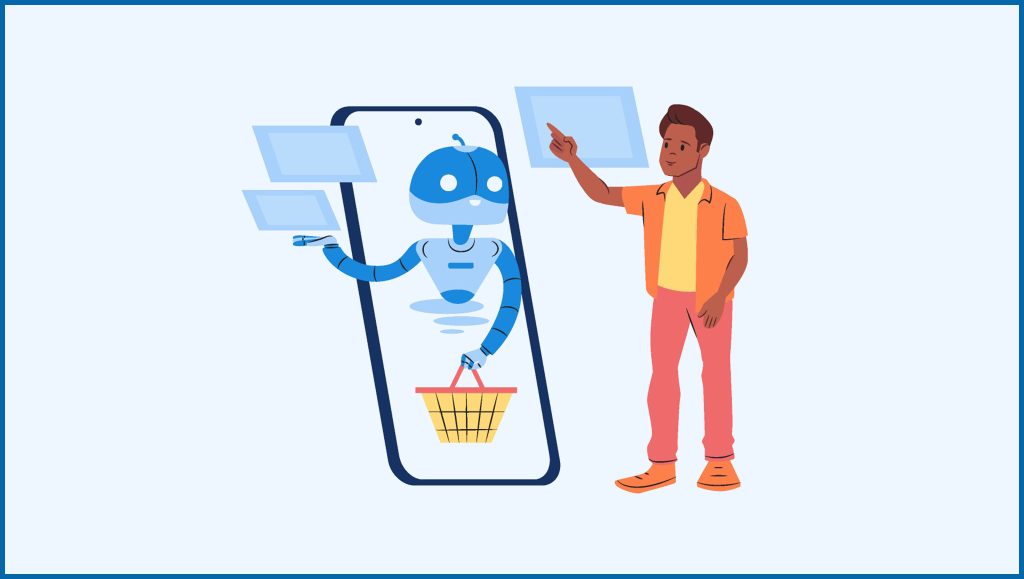
As a result, businesses are adopting new technologies and processes that enable immediate engagement regardless of when a customer reaches out. AI-powered customer engagement tools are helping operators provide real-time responses, qualify leads, answer questions, schedule appointments, and maintain a consistent customer experience around the clock.
The broader shift is simple: the businesses that win are increasingly the ones that respond first. In a world where customers expect immediate engagement, responsiveness is becoming a competitive advantage and a critical driver of revenue growth.
Read More: You Have Cloned Your Voice. Now Your AI Is Making Cold Calls
About Raynmaker

Raynmaker is an AI-native autonomous sales platform purpose-built for small and medium-sized businesses, giving owners the agency to operate with confidence and the freedom to grow through always-on, end-to-end execution. Rooted in real-world SMB sales expertise, Raynmaker believes conversation is the most natural form of human interaction and a non-deterministic, complex process rather than a scripted workflow.
Powered by its proprietary RaynBrain™ technology, Raynmaker delivers customized AI agents that handle customer conversations, scheduling, and payments 24/7 in a lifelike, brand-aware voice. Raynmaker is built on three foundational elements: AI voice technology for natural interactions, an orchestration layer that coordinates channels, business logic, calendars, and payments for reliable execution, and recursive learning that continuously improves outcomes over time. Designed for trust and clarity, Raynmaker supports information-empowered, non-manipulative conversations that help customers make confident decisions while helping SMBs scale without sacrificing human connection.
About Garth
Garth Fasano, is President and co-founder, Raynmaker