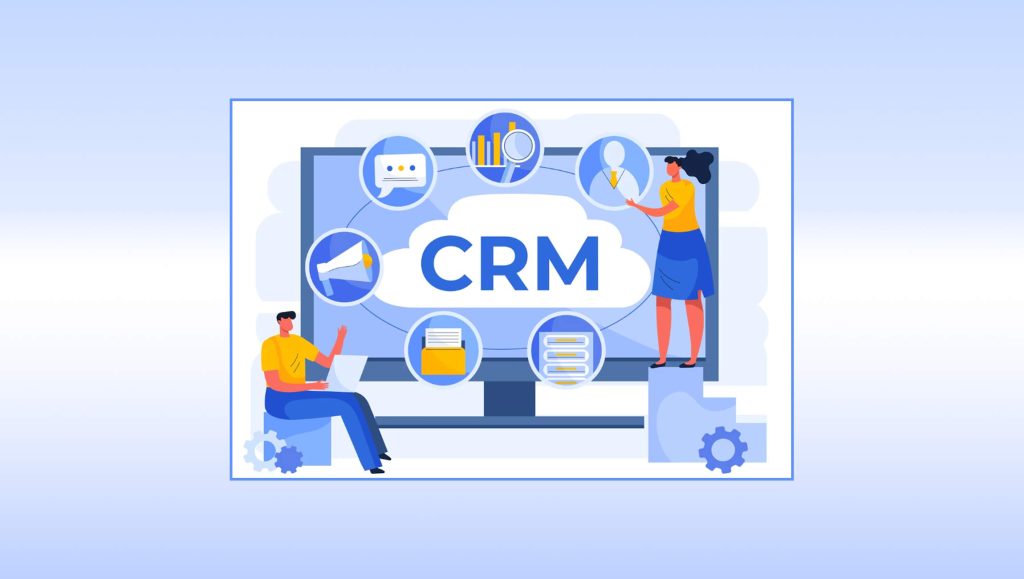
Conventional Customer Relationship Management (CRM) systems, once essential for sales operations, are being progressively replaced by smarter, automated SalesTech platforms tailored for today’s complex selling landscape. Conventional CRMs were designed for an earlier period of sales; one that was more straightforward, less digital, and significantly less reliant on data.
As companies operate in a more competitive environment, visionary sales leaders are acknowledging the drawbacks of outdated systems and adopting modern SalesTech solutions that emphasize intelligence, automation, and deal-centric processes.
Where Legacy CRMs Fall Short in Today’s Sales Environment
Traditional CRM systems were revolutionary when first introduced, but their architectural foundations are increasingly out of step with contemporary sales requirements. Key limitations of conventional CRM platforms include:
- User-unfriendly interfaces that focus on data storage rather than user experience, compelling sales representatives to traverse complicated systems merely to access essential information required during customer engagements.
- Fragmented information structure that divides customer data among various databases and departments, making it difficult to sustain a comprehensive customer perspective.
- Restricted integration functions with various digital platforms, resulting in challenges when trying to include external data sources.
- Reactive rather than predictive functionality that focuses primarily on recording historical data instead of providing forward-looking insights.
The Rise of Intelligent SalesTech for Deal Management
Modern SalesTech platforms are explicitly designed to address the shortcomings of traditional CRMs, introducing powerful new capabilities that focus on optimizing the deal management process.
Several key innovations are driving their growth:
- Analytics driven by AI that converts customer data into practical insights, revealing patterns undetectable by human analysts.
- Automated workflow systems that minimize manual data input and simplify repetitive tasks, enabling sales teams to concentrate on high-impact activities.
- Smart forecasting that utilizes past performance data and market trends to anticipate results with enhanced precision.
- Interactive deal rooms that offer centralized collaboration areas for buyers and sellers, speeding up decision-making and shortening sales cycles.
Essential Features of Next-Gen SalesTech Platforms
The most effective SalesTech platforms incorporate several essential features that enhance deal management capabilities far beyond what traditional CRMs offer:
- Deal execution platforms that streamline the entire sales process from initial engagement to closing, providing real-time visibility into deal status and next steps.
- Sales content management systems that consolidate and refresh content in GTM playbooks, ensuring precision and averting the use of obsolete materials.
- Tools for conversation intelligence that record and evaluate customer interactions across various channels, offering actionable insights into buyer sentiment and engagement.
- Tools for managing contracts that streamline the processes of creation, negotiation, approval, and renewal while maintaining adherence to legal requirements.
- Features for data enhancement that automatically enhance customer profiles with verified contact information, social media profiles, and essential firmographic data.
Read More: SalesTechStar Interview with Travis Rehl, CTO and Head of Product at Innovative Solutions
SalesTech vs. CRM: A Comparative Analysis
When evaluating SalesTech platforms against traditional CRM systems, several key performance indicators reveal significant advantages for modern solutions.
| Aspect | Traditional CRM | Modern SalesTech |
| Primary Focus | Data storage and management | Deal acceleration and intelligence |
| User Experience | Complex interfaces requiring extensive training | Intuitive design prioritizing sales workflows |
| Data Management | Manual entry and updates | Automated data capture and enrichment |
| Integration | Limited connectivity with other platforms | Seamless integration with broader tech ecosystem |
| Intelligence | Basic reporting and analytics | AI-powered insights and predictive capabilities |
| Mobility | Often desktop-centric with limited mobile functionality | Fully mobile-optimized for access anywhere |
Companies using advanced SalesTech platforms report significant improvements in key metrics, including:
- Reduction in administrative time spent by sales reps
- Increase in deal pipeline visibility and forecast accuracy
- Faster sales cycles with fewer stalled deals
- Higher win rates and average deal values
How SalesTech Enhances Deal Management?
The transition from traditional CRMs to modern SalesTech solutions yields tangible benefits for sales teams focused on improving deal management.
- Centralizing deal information in unified workspaces that eliminate the need to switch between multiple tools and platforms
- Creating visibility into buyer engagement through advanced analytics that reveal which prospects are most actively engaged with sales materials
- Identifying at-risk deals through predictive algorithms that flag warning signs before they become deal-breakers
- Streamlining approvals and sign-offs with automated workflows that reduce administrative bottlenecks
The Business Impact of SalesTech Adoption
The adoption of modern SalesTech platforms delivers significant business impact across multiple dimensions of sales performance. Key business impacts include:
- Revenue acceleration through shortened sales cycles and improved conversion rates at each pipeline stage
- Cost reduction by automating manual processes and eliminating redundant tools
- Enhanced customer experience from more personalized, relevant interactions throughout the buying journey
- Improved team productivity with sales reps spending more time selling and less time on administrative tasks
What’s Next for Intelligent Sales Platforms?
Looking ahead, the evolution of SalesTech platforms is expected to continue accelerating, with several emerging trends poised to further transform deal management capabilities:
- Greater AI integration enabling more sophisticated predictive models and automated decision support
- Enhanced buyer collaboration tools that create more interactive, transparent purchasing experiences
- Advanced visualization capabilities that make complex deal data more accessible and actionable
- Expanded ecosystem connectivity enabling SalesTech platforms to serve as central hubs for broader business processes
Conclusion
The transition from traditional CRM to intelligent SalesTech is a fundamental shift in how sales organizations approach deal management. By embracing these platforms, sales leaders can equip their teams with the necessary tools to navigate the complexities of modern B2B sales and deliver superior results.
Read More: SalesTech Stack Fatigue: When Too Many Tools Break The Funnel