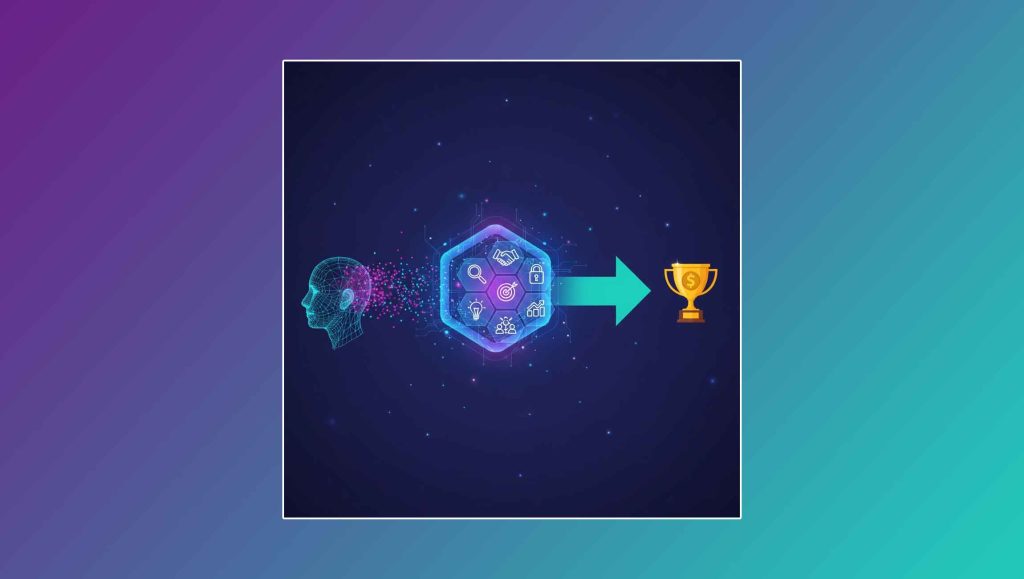
You hate updating your CRM. Everyone does. It is a manual, boring task that takes time away from selling. Because of this, your customer database is likely a graveyard of outdated phone numbers and dead leads. You think you know your network, but you are only seeing a fraction of the picture.
The real gold is hidden in the digital exhaust of your company. Your email servers and calendars hold the truth about who knows whom. By adopting relationship intelligence, you stop relying on manual data entry. You start mining the massive web of connections that already exists between your employees and the market.
What Actually Is This Intelligence Mining?
We need to define what this technology actually does for your sales team. Relationship intelligence is the automated process of scanning communication metadata to map the connections between people. It does not read your private emails. Instead, it looks at the “who,” “when,” and “how often.”
It scrapes email headers and calendar invite details to build a dynamic graph of your organization’s network. It connects the dots that no human would ever take the time to log manually. This creates a living, breathing map of your social capital. It turns invisible history into a visible asset that you can use to open doors and close deals faster.
How Do You Find the Strongest Path?
You usually cold call a prospect because you assume you have no other way in. This tech proves you wrong.
- The system scans the entire company history to find anyone who has spoken to your target.
- It identifies a quiet engineer who worked with the prospect five years ago at a different firm.
- You get a clear path showing exactly which colleague can provide the warmest possible introduction today.
- The tool visualizes the connection path so you can see the degrees of separation instantly.
- It saves you from wasting time on cold outreach when a warm path was available all along.
Can We Measure How Strong a Bond Is?
Knowing two people met is not enough. You need to know if they are best friends or just acquaintances. Relationship intelligence scores these bonds using math.
-
Recency Factors:
The system gives a higher score to connections that have exchanged emails within the last 30 days.
-
Frequency Logic:
It analyzes how often two people meet to distinguish between a one-off meeting and a partnership.
-
Response Rates:
The algorithm looks at how quickly the prospect replies to your colleague to gauge their interest level.
-
Meeting Duration:
It tracks calendar data to see if they just had a quick coffee or a three-hour workshop.
How Do You Spot When Champions Leave?
The biggest risk to a deal is your champion leaving the company. Usually, you find out too late, when your email bounces. Automated systems using relationship intelligence can flag this risk before it kills your quarter.
The software monitors the digital signals of your key contacts. If an email bounces or a LinkedIn profile changes, it alerts you instantly. It might even tell you where they went, opening up a new sales opportunity at their new company. This early warning system allows you to multi-thread the account and find a new champion before the deal goes cold.
Read More: SalesTechStar Interview with Matt Price, CEO of Crescendo
Are Your Teammates Already Talking to Them?
Nothing makes a sales team look more incompetent than two reps pitching the same company without knowing it.
- Real-time relationship intelligence prevents this embarrassment by showing all active conversations on the account dashboard.
- You can see if the CEO or a support rep emailed the client earlier that morning.
- It prevents you from stepping on toes or sending conflicting pricing information to the same stakeholder.
- The system unifies communication streams so everyone operates with a single, clear view of the account status.
What About Privacy and Sensitive Data?
You might be worried that scanning emails sounds invasive. However, enterprise-grade tools are designed with strict privacy boundaries. They focus on metadata, not message content. They know that “Person A” emailed “Person B,” but they do not record what was discussed.
Deploying relationship intelligence requires you to set clear exclusion rules. You can blacklist sensitive domains like law firms, HR platforms, or medical providers. This ensures that personal or confidential matters never enter the sales graph. You get the benefit of the network map without the risk of exposing private employee matters.
Which Tools Are Leading the Market?
You need the right tech stack to turn this concept into a daily reality for your revenue team.
-
Introhive:
A platform that automates data entry and maps relationships to help professional service firms grow revenue.
-
Affinity:
This tool uses relationship intelligence to help dealmakers in venture capital and investment banking manage their networks.
-
LinkedIn Sales Navigator:
The industry standard for mapping connections, specifically leveraging the massive public dataset of professional career history.
-
Salesforce Einstein:
It uses AI to analyze your existing CRM data to score relationships and suggest the next best action.
How Do You Turn Connections Into Revenue?
Your network is your net worth, but only if you can navigate it. Cold calling is getting harder every year. The most effective way to sell is through a trusted introduction. Relationship intelligence allows you to execute this strategy at scale. It turns every employee in your company into a potential door opener. You stop knocking on locked doors and start walking through the ones your team has already unlocked.
Read More: Salestech for Network-Led Growth: Turning Internal Relationships into Pipeline