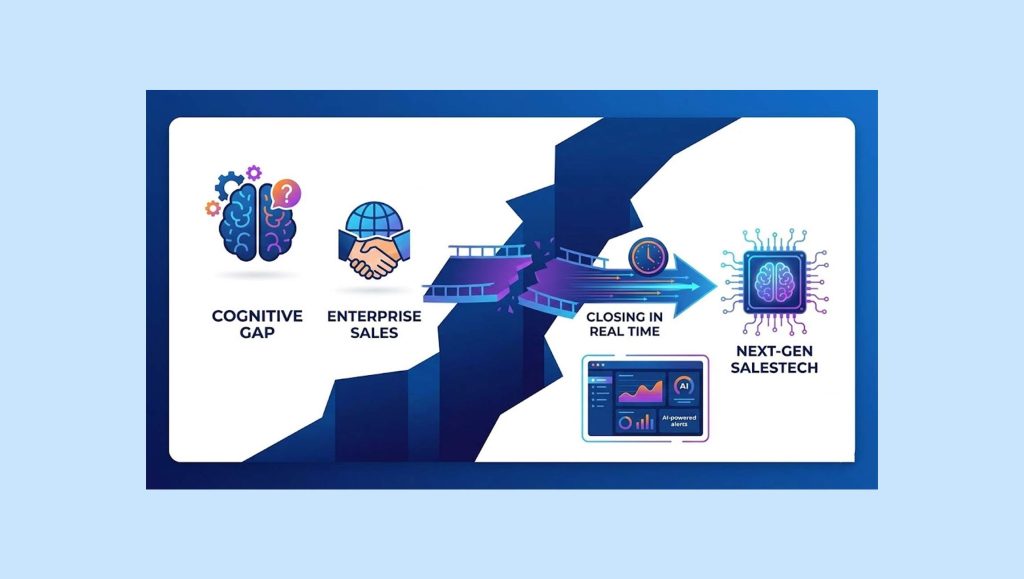
Ambitious sales professionals strive to stand out in competitive markets, yet many still wrestle with repetitive tasks and fragmented processes. Organizations now recognize the importance of alleviating this burden, enabling Account Executives (AEs) to focus their time on revenue-driving activities. Modern platforms assist in everything from prospect qualification to follow-up scheduling. By embracing sales automation, businesses unlock a new wave of skilled, agile AEs poised to excel in evolving sales environments.
The Changing Landscape for Rising AEs
A new AE can feel overwhelmed by administrative tasks and demanding quotas. Many discover they spend valuable hours inputting data and chasing leads that fail to convert. They quickly realize how critical it is to streamline workload.
One solution is to adopt technologies that integrate multiple steps of the sales cycle. By minimizing manual tasks, professionals gain time to refine strategies and personalize outreach. This culture of efficiency not only improves short-term performance but also sets the stage for stronger long-term relationships.
Shifting Away from Administrative Overload
An AE’s schedule often fills up with proposal writing, CRM updates, and meeting coordination. These obligations can overshadow actual selling. Without proper balance, even the most skilled reps may struggle to meet targets.
-
Automated Follow-ups:
Systems trigger reminders for AEs to reconnect with prospects at optimal intervals.
-
Streamlined Documentation:
Pre-built templates reduce errors while speeding up repetitive tasks.
-
Intelligent Scheduling:
Online calendar tools cut back-and-forth emails, freeing time for deeper prospect conversations.
With these elements in place, AEs concentrate on what matters: building trust and closing deals.
Empowering AEs with Sales Automation
Many teams now realize the potential of sales automation in reshaping workflow. Repetitive duties become background operations, letting AEs focus on core competencies. By leveraging advanced prospecting tools, they pinpoint high-fit leads more accurately. This alignment ensures no opportunities slip through the cracks.
Some solutions pull data from websites, social media, and industry reports, creating detailed lead profiles instantly. Reps then craft tailored messages that resonate with specific business challenges. This level of precision leads to faster conversions and a healthier pipeline. Over time, they develop relationships rooted in personalized value, rather than generic pitches.
Developing Skills in Freed Hours
A healthy pipeline is not just about quantity. Quality also depends on an AE’s ability to articulate value, handle objections, and negotiate confidently. By lightening their administrative burdens through sales automation, organizations give AEs time to expand their skill sets.
Some reps use these extra hours to deepen product knowledge or practice consultative selling. Others refine techniques for empathizing with buyer pain points. This investment in professional growth leads to better client interactions. It also supports more sophisticated deal strategies, where AEs function as trusted advisors rather than mere order-takers.
Read More: SalesTechStar Interview with Sahil Rekhi, Chief Revenue Officer at Graia
Tools to Automate Prospect Research and Qualification
Automating prospect research and qualification can significantly enhance sales efficiency. Here are five essential tools that modern sales teams use:
-
CRM Systems:
Tools such as Salesforce or HubSpot consolidate customer information, allowing for improved monitoring and evaluation of potential client engagements.
-
AI-Driven Lead Scoring:
Platforms such as Leadspace employ machine learning to assess leads according to their probability of conversion.
-
Monitoring Social Media:
Tools such as Hootsuite or Mention observe potential clients’ online behaviors, offering useful information for tailored engagement.
-
Email Tracking Tools:
Programs such as Yesware or SalesHandy track email openings and clicks, assisting in prioritizing engaged leads.
-
Predictive Analytics Tools:
Platforms such as InsideSales or 6sense utilize historical data to predict which prospects are most likely to make a purchase.
The Future of Sales Automation and the AE Role
Looking ahead, integrated platforms will guide AEs through every stage of the sales process. Machine learning will refine prospect lists, highlight cross-sell potentials, and predict churn risks. Rather than diminishing human intuition, these insights empower reps to dedicate more energy to creative problem-solving and relationship-building.
Businesses that lean into this transformation position themselves to respond quickly to emerging market needs. AEs who welcome sales automation thrive on immediate feedback loops and real-time visibility into pipeline health. Over time, this synergy between digital innovation and human expertise reshapes the AE’s role into one of strategic partnership.
Why Investing in Sales Automation Elevates Organizational Success?
Companies risk stagnation if they cling to outdated processes. Bringing the next generation of AEs on board with advanced tools helps organizations maintain a competitive edge. Decision-makers who channel resources toward sales automation see improvements in productivity, morale, and revenue predictability.
A strategic approach to implementation ensures all departments benefit, from marketing alignment to customer success handoffs. Enhanced teamwork occurs when every team member can monitor real-time metrics and exchange valuable insights. In the long term, these investments foster a culture of active selling, ongoing learning, and strong growth throughout the entire revenue team.
Final Thoughts
By adopting efficient workflows and data-informed decision-making, contemporary AEs advance beyond traditional sales methods. They cease handling monotonous duties and focus their skills on what counts: nurturing enduring client connections that generate ongoing income. As more companies implement sales automation, they develop a flexible workforce ready for any challenges that may arise. This combination of technology and individual skill marks a new age where AEs excel, organizations expand, and customers receive enhanced value at every engagement.
Read More: Beyond CRM: How SalesTech is Shaping the Future of Deal Management?