Sales pipeline bottlenecks are those obstacles that sneak up on even the most seasoned sales professionals. They cause deals to stall and revenue to slip through the holes. However, identifying these bottlenecks and leveraging AI to anticipate such bottlenecks, optimizing lead flow for maximum conversion.
Let us run you through the most common pipeline bottlenecks, how AI identifies these bottlenecks, and how we must accept AI as a predictive pipeline orchestrator.
Common sales pipeline bottlenecks
-
Poor pipeline visibility
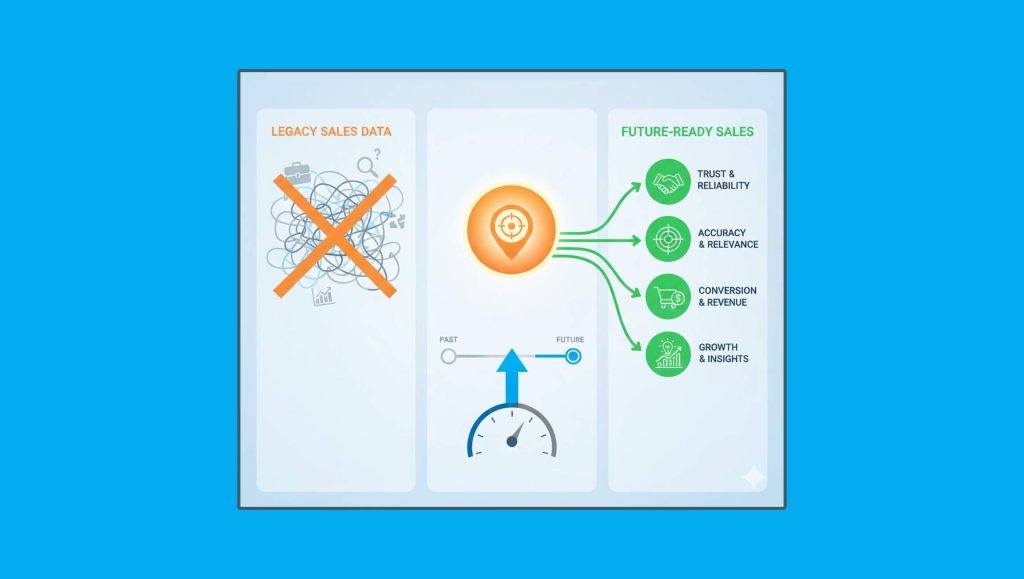
A significant sales bottleneck is – poor pipeline visibility. It occurs when teams lack visibility into their sales pipeline, due to which they face numerous challenges in nurturing even highly qualified leads. The main culprits for poor pipeline visibility are poor quality of sales data, lack of standardized processes, inadequate reporting tools, etc.
-
Pipeline imbalance
Sales pipeline has different stages, and we know it. Pipeline imbalance happens when leads are unevenly distributed across stages of sales. Check whether your sales teams have overloaded leads into certain stages while others remain empty, apparently hampering efficiency and revenue generation.
-
Pipeline leakage
When there is a pipeline, loop holes and cracks are bound to occur, and your sales pipeline is no different. Your sales pipeline leaks when your leads drop out before converting. Such loss of leads can be attributed to factors, like lack of follow-up, inadequate product understanding, and failure to address concerns, etc.
So, these are some of the most concerning bottlenecks we talked about. But how do you know which one out of these you are dealing with? Or is there any other menace responsible for your pipeline stagnation?
In the fast-paced digital world, where manual processes are a thing of the past, you need advanced technologies to identify and deal with sales pipeline bottlenecks. One thing that we cannot do without is – Artificial Intelligence.
Read More: SalesTechStar Interview with Nima Hakimi, CEO of Convoso
AI – the predictive pipeline orchestrator
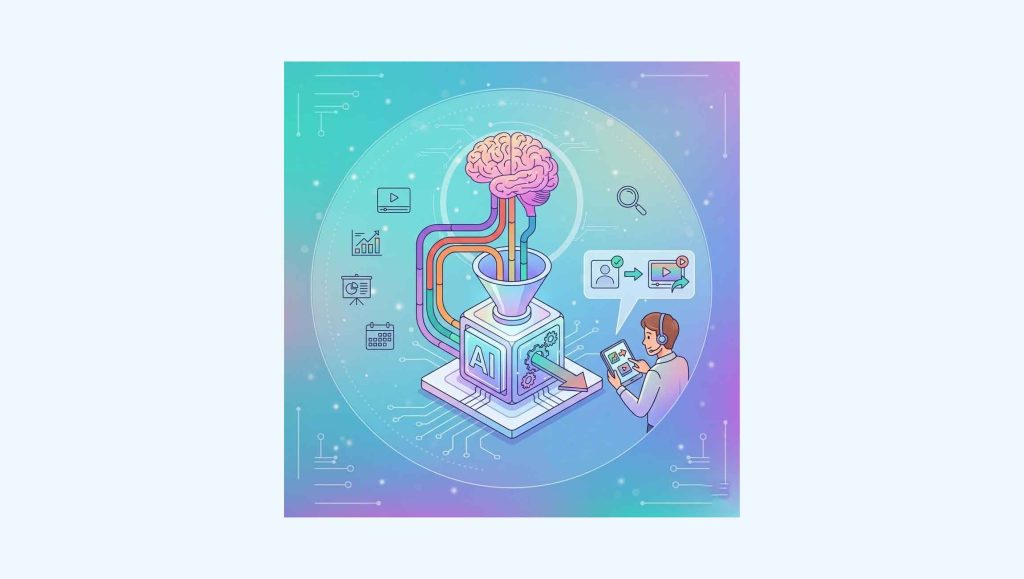
Artificial intelligence has the power to revolutionize sales pipeline management by offering advanced analytics, automating mundane tasks, and providing actionable insights into pipeline inefficiencies.
Here’s how AI identifies and resolves sales pipeline bottlenecks:
-
AI-powered lead scoring
We have been using artificial intelligence for quite some time now, and we have exploited its capabilities to a great extent. With a sales pipeline, AI helps in analyzing historical data, customer interactions, and behavioral patterns to pinpoint leads that are most likely to convert. So with AI in the loop, your sales teams can focus on leads with higher predictive scores rather than wasting time on unqualified ones. AI tirelessly refines your lead scoring model by identifying past failures, and successes, and improving your pipeline accuracy over time.
-
Predictive analytics for sales forecasting
Leveraging predictive analytics, AI can analyze vast amounts of customer data, market trends, and consumer behavior to predict future sales performance. By identifying general patterns, AI helps to indicate potential pipeline slowdown due to which sales leaders can proactively address risks before they impact revenues. Such strong pipeline automation enables you to adjust your sales strategies, allocation of resources, and sales approaches to meet revenue targets.
-
AI-driven CRM insights
AI-powered CRM tools can also work beyond simply automating repetitive tasks. They can analyze sales data, identify trends, and flag potential risks in the sales pipeline. Such advanced CRM systems also help in recognizing when a deal is on the verge of stalling by observing response times, engagement levels, and deal history. By offering real-time insights on prospects, AI-powered CRM helps your sales reps make proactive decisions and keep the deal moving.
-
Sentiment analysis for sales communication
Natural language processing allows AI to assess consumer sentiment and emotions. It happens by observing chat responses, conversations, and customer calls. Through prospect communication records, AI can detect hesitation, frustration, or enthusiasm in a prospect’s tone. By providing such deep insights, AI can prompt your sales rep to take action before the prospect gives up on the decision to purchase.
Wrapping Up
Artificial intelligence is making strides in all aspects of marketing and sales, and it plays an instrumental role in optimizing the sales pipeline as well. Irrespective of where your prospects are in the sales pipeline, AI will help you identify the bottlenecks and alert you about every possible risk. Today, when sales as a function becomes too competitive, artificial intelligence is not just the game changer, it is a necessity to keep your business in function.
However, no business can rely solely on automation leaving behind human insights. It is essential to balance both and make the most of the advanced automation we are blessed with. The deep insights from AI along with the human creativity is what will make your sales pipeline as streamlined as possible.