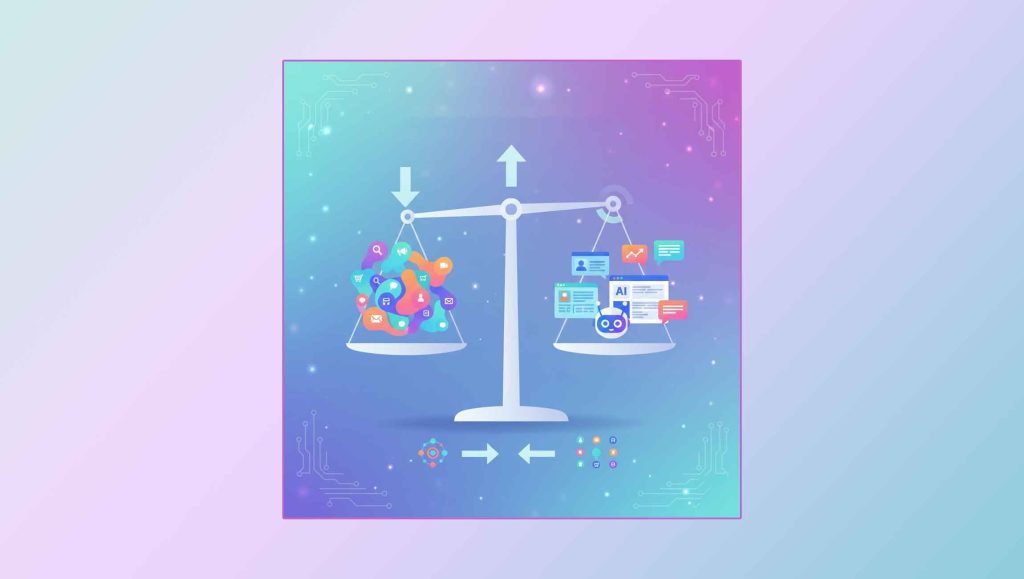
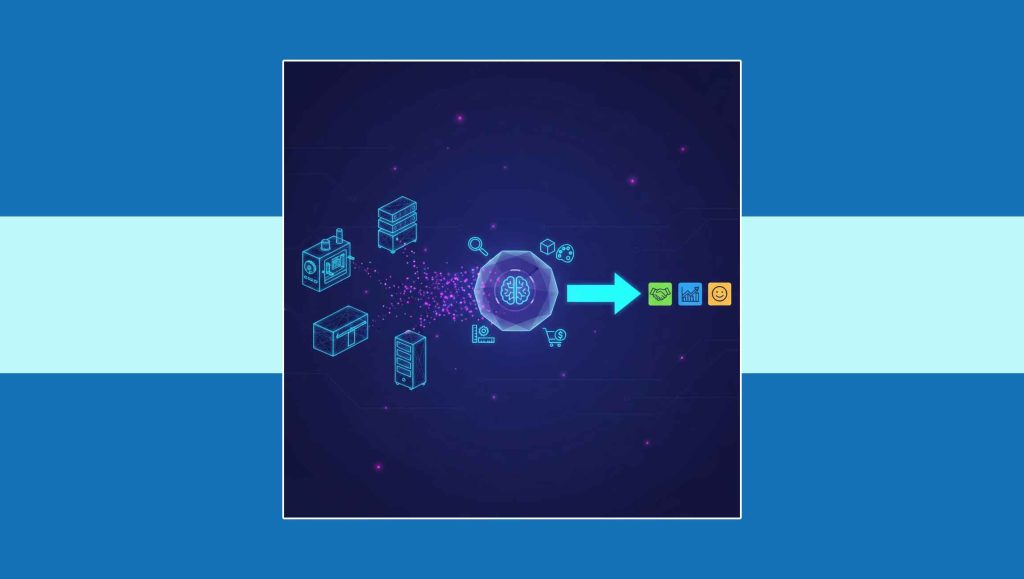
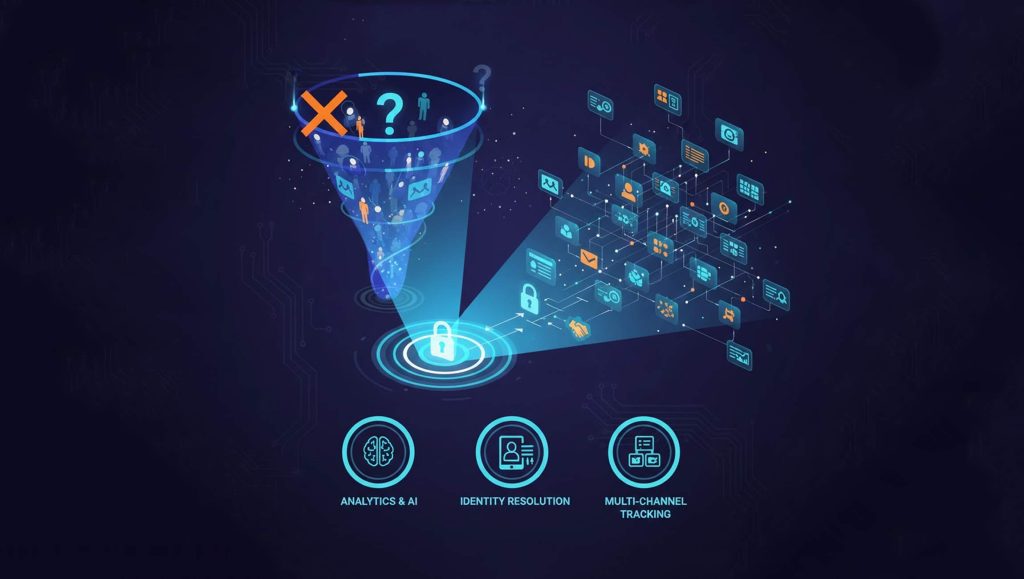
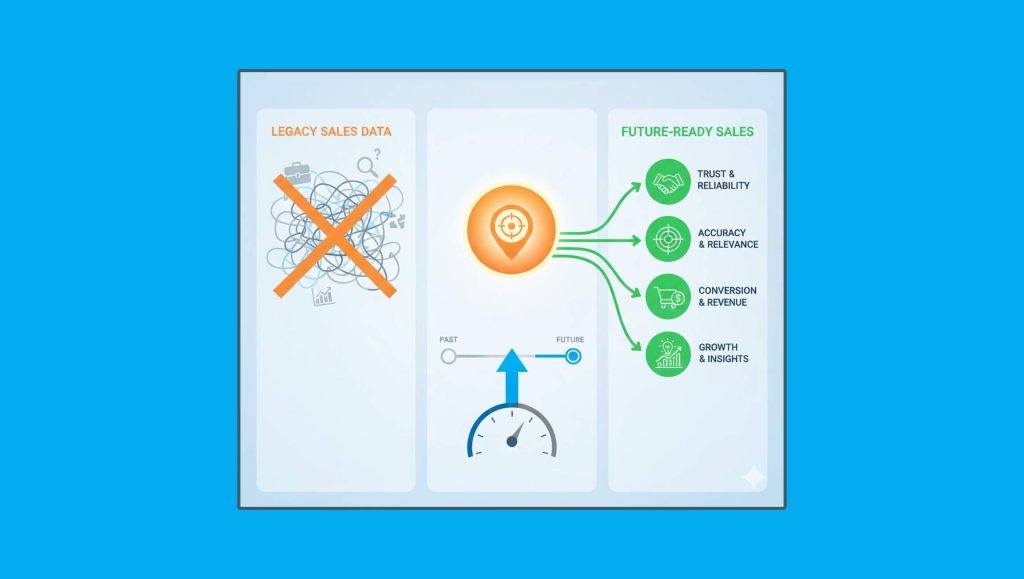
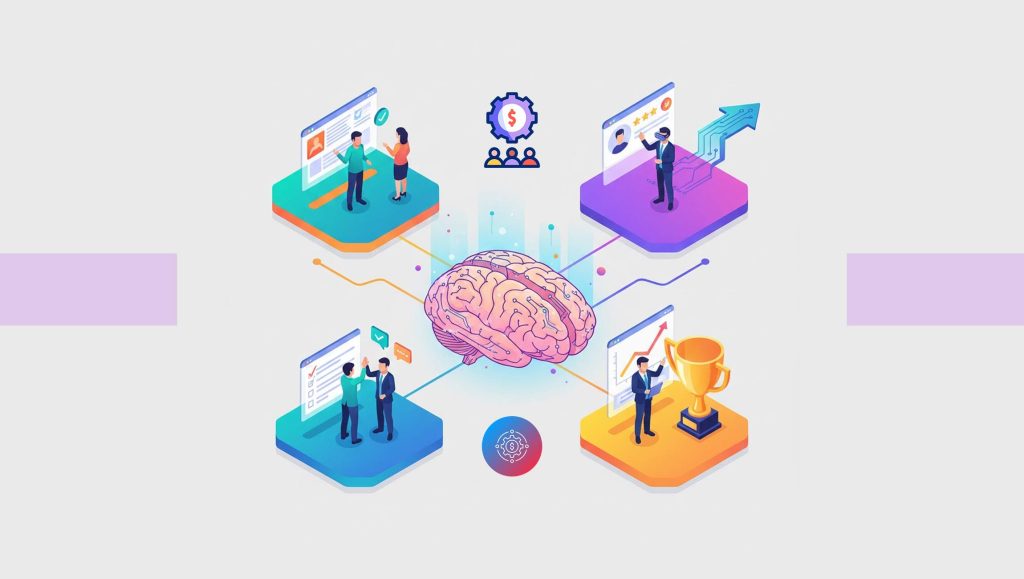
The importance of engagement in sales cannot be ignored. Today, the world is hyper-connected, and any successful sales strategy depends upon building relationships, trust, and long-term value where customer engagement is essential. Understanding the goals, pain points, and challenges of the buyer along with providing a superior experience are the foundations of successful sales engagement.
It is not just about making a sale today because consumers today demand personalized, relevant interactions that meet their needs; thus, engagement becomes essential to completing sales and preserving customer relationships. Salespeople no longer push information in a one-way conversation; instead, they engage in a dynamic interaction. Therefore, knowing the buyer’s journey, responding promptly, and actively listening are critical. Prioritizing engagement helps businesses perform better overall and enhance conversion rates as well as customer retention.
The Value Of Customer Engagement
Consider a software provider that wants to increase customer engagement by giving users a customized onboarding experience. A personalized welcome email is not the only thing a new user receives when they sign up for their platform. Rather, the business customizes the experience according to what they are offering and the requirements of the customer. Personalized check-ins from the customer success team, industry-relevant use cases, and tailored courses are all a part of this.
The business keeps a close eye on how users behave on its platform and collects data from support tickets, customer surveys, and social media interactions. With the use of this information, they provide fresh features and fixes that go straight after the problems that their consumers encounter most frequently. They aggressively seek input on these new features, allowing users to feel valued and involved in the development of the product.
Higher customer satisfaction and retention rates follow from this tailored and interesting approach. Users are more inclined to suggest the program to coworkers or other businesses in their sector as they grow more acquainted with its advantages. Without heavily investing in traditional advertising, the company can draw in new business due to the positive word-of-mouth marketing generated by these content customers.
Instead of offering a customized onboarding process, a software company lacking an engagement strategy may leave its consumers feeling disengaged and unsupported. Customers who have trouble seeing the product’s immediate benefit may decide to switch to competitors that provide more personalized assistance. Over time, a deficiency in engagement may result in increased attrition rates, making it more difficult for the business to sustain enduring connections with its customers.
Businesses can strengthen customer connections, increase loyalty, and reap the benefits of organic development through customer advocacy by incorporating a robust engagement strategy, as seen by the first software company. Customer interaction yields insights that not only enhance the user experience but also stimulate long-term success and innovation.
Let us dig deep into understanding social media integration and its utilization along with the sales enablement strategy and tools to accelerate buyer interactions. We will look at how this increases engagements and what sales representatives need to know or do to meet prospects on various social media platforms and establish rapport to not only close deals but also obtain conversions and earn the trust and loyalty of their customers.
How Social Media Integration Boosts Sales Engagement?
People now connect, discuss, and make decisions about what to buy due to social media. One effective strategy to increase engagement is to incorporate social media into sales enablement tools. Sales representatives may establish more intimate connections with prospects and customers using such tools, which offer valuable insights into buyer behavior, preferences, and pain issues.
Salespeople can obtain important data and engage with prospects in real time by utilizing social media platforms and sales enablement technologies, resulting in a more relevant and customized experience. Social media integration makes it possible for sales teams to interact with customers in the digital areas that they frequent, whether that be through providing informative material, answering questions, or following up on leads.
Meeting Prospects Where They Are: The Power of Social Media
Nowadays, a lot of potential customers use social media to research items, look for peer recommendations, and assess a brand’s reputation as part of the increasingly digital buyer journey. Meet them where they are: Sales representatives must go to the places where buyers spend a lot of time, which includes LinkedIn, Twitter, Instagram, and other platforms. Long before a formal sales call starts, social selling enables representatives to establish rapport, engage prospects early in the decision-making process, and foster connections.
Sales representatives can establish themselves as reliable advisors by being aware of and involved in social media conversations. This allows them to present timely, relevant solutions that meet the demands of customers. Including social media into the sales process facilitates the creation of smooth, omnichannel experiences, which eventually result in more solidified bonds and increased engagement.
Benefits of a Robust Customer Engagement Plan
As of July 2024, there were 5.17 billion users on social media and these people might end up supporting, patronizing, or following your brand. Using social media to engage with them and improve their brand experience is crucial. Connecting with them on social media means attracting real conversations with them that can spur company expansion and foster client loyalty. Let’s examine the major benefits of social media for customer engagement:
a) Strong Customer Relationships and Increased Loyalty Customer
Increasing customer interaction is crucial to building trusting connections and boosting loyalty. Businesses may build stronger relationships with their consumers that go beyond straightforward transactions by interacting with them through a variety of channels and touchpoints. Recurring purchases and customer loyalty are fostered by this bond.
One way to establish exclusivity is for a digital company to actively engage with its users by delivering them personalized product updates, industry news, and relevant insights. The consumer feels appreciated because of this interaction, which boosts their satisfaction and loyalty. They are therefore more inclined to stick with the brand for a long time.
b) Increased Customer Retention and Reduced Churn
Customers that are actively involved are more likely to stick with you, which boosts retention and lowers attrition. Businesses may guarantee that consumers feel heard and valued by consistently interacting with them and attending to their problems. Their relationship with the brand is strengthened by this constant interaction, which reduces their likelihood of switching to competitors.
To guarantee that customers receive assistance on time, a subscription-based service provider, for instance, can provide personalized customer care. This kind of proactive interaction keeps customers happy, which lowers churn and fosters longer-lasting ties with the business.
c) Cross-Selling and Upselling Opportunities
Gaining a deeper understanding of customers’ inclinations, actions, and purchasing patterns is possible through active customer engagement. Companies can find chances for upselling and cross-selling by utilizing consumer engagement data. Brands may enhance customer lifetime value and average order value by customizing offers according to customer interactions.
Imagine an online retailer that investigates past purchases made by customers to recommend related items or special offers. The business improves the shopping experience for customers and increases revenue by providing these tailored recommendations that are derived from engagement data. This strategy increases conversion rates as well as customer happiness.
d) Increased Subscribers and Enhanced Audience Reach
A higher number of subscribers and a wider audience Building a devoted subscriber base and growing their audience are two benefits of effective customer engagement for organizations. Brands can draw in and hold on to a broader audience by continuously providing value through meaningful interactions.
A beauty firm can draw in a diverse subscriber base by providing a monthly email newsletter that includes skincare advice, product recommendations, and unique discounts. By producing interesting content, the brand attracts new consumers while retaining its present base. This helps to raise brand awareness and influence over time.
Consider Thomas Cook, a travel company that ran a campaign to generate leads. Through surveys, they acquired consumer information, which they then used to craft tailored marketing messages. This campaign showed how consumer interaction can expand brand reach by generating over 15,000 new leads, higher email open rates, and a noteworthy return on investment.
e) Shorter Cycles for Purchases and Higher Conversion Rates
By attending to prospects’ demands at every turn in their journey, customer engagement helps to reduce the length of the acquisition cycle. Businesses can more successfully assist prospects in making selections about what to buy by providing them with timely, relevant information and solutions.
For instance, a SaaS business might engage potential customers more thoroughly throughout the sales process by providing free product demos and webinars to educate them. The sales staff develops credibility and trust by providing these prospects with insightful nurturing, which eventually speeds up decision-making and increases conversion rates.
In another case, an online training company increased visitor engagement by 40% by optimizing its homepage with popular courses. The value of skilfully performed customer engagement was demonstrated by the higher conversions resulting from this tiny but strategic engagement campaign.
f) Brand Evangelists and Word-of-Mouth Marketing
Engaging with customers may transform happy consumers into brand ambassadors who tell others about the company. These devoted customers can be very helpful in generating goodwill and word-of-mouth, which naturally draws in new customers without the need for further marketing spending.
Think of a chain of hotels that offers personalized services to its customers, like sending them notes on significant occasions. Guests are inspired by this remarkable experience to tell their tales on social media and suggest the hotel to friends and family. These brand evangelists aid in expanding the business’s consumer base by bringing in new customers via reliable recommendations.
g) Establishing a Unique Brand Identity
Businesses can differentiate themselves by developing a distinct and identifiable brand identity through customer engagement. By aligning engagement initiatives with consumer demands and preferences, businesses can effectively convey their unique value proposition and set themselves apart from competitors.
For example, a health and wellness company might establish a strong reputation as a reliable authority in its industry by regularly disseminating instructional content and providing customized health assessments. Customers are better able to relate to the brand and gain credibility because of this engagement, which promotes brand awareness and long-term loyalty.
h) Enhanced Customer Service and Satisfaction
Superior customer service may be provided by organizations by engaging customers through various channels such as live chat and social media. Providing outstanding customer service might be the differentiator that keeps customers coming back in today’s cutthroat industry.
A telecom business that provides live chat assistance and swiftly answers to consumer inquiries on social media, for instance, delivers a seamless user experience. This proactive interaction guarantees that customers get the help they require promptly, increasing customer happiness.
Effective customer service is crucial, as evidenced by the fact that 81% of consumers are more likely to make repeat purchases following a favorable encounter, as per a Zendesk survey.
Hence, we can see that there are many advantages to customer interaction, ranging from bettering customer relations and lowering attrition to boosting brand advocacy and forging a distinct identity. Businesses can discover new avenues for cross-selling, upselling, and reach expansion by concentrating on continuous interaction. Prioritizing customer interaction helps businesses gather vital insights that propel growth and create loyalty. As such, it is a crucial component of every successful business strategy.
The Role of Social Media in Modern Sales
In the last ten years, cold calling, direct mail, and in-person meetings have given way to more digitally driven tactics in the sales industry. The development of social selling, a tactic that uses social media platforms to connect with prospects, disseminate relevant material, and eventually increase sales, is essential to this evolution. Through social selling, sales teams may interact with prospects on social media, where they are already comfortable and familiar, resulting in a more efficient, customized, and successful sales process.
-
The Transition from Conventional to Social Selling
Conventional sales techniques come to appear as invasive, even if they are still applicable in some situations. Low conversion rates can result from cold calls and unwanted emails that don’t seem to be relevant to the requirements and wants of the prospect. Social selling, on the other hand, adopts a more customer-centered strategy.
Social selling meets potential customers on sites they already use, including Facebook, Instagram, LinkedIn, Twitter, and so on, as opposed to interrupting their day with uninvited messages. Sales representatives can watch what interests their target audience here, strike up a discussion, and gradually develop trust through interactions that are value-driven and consistent.
Social selling has become a trend today and therefore many businesses are adopting this strategy. Today’s buyers are better informed than ever since they do a ton of research online before speaking with a sales representative. According to a Forrester analysis, 68% of B2B customers would rather conduct their independent research online than speak with a salesperson at the beginning of the purchase process. Due to this change, salespeople now need to interact with potential customers at the appropriate moment, and social media offers the ideal platform for doing so.
Statistics and Trends on How Prospects Engage on Social Platforms
The data is strong in favor of social selling’s growth. According to the LinkedIn State of Sales survey, peers who do not use social media are outsold by 78% of social salespeople. Moreover, more than 70% of consumers use social media while making decisions. This demonstrates how much social media has permeated the purchasing process.
The growing amount of time spent on social media is another significant trend. The typical person uses social media for more than two hours a day, according to Datareportal’s Digital 2023 Global Overview Report. Professionals spend a lot of time on LinkedIn and Twitter for networking and research. Decision-makers and important influencers use these platforms not only for personal sociability but also for business and career development. They participate in industry discussions, exchange views, and look for ways to overcome obstacles in their careers.
Why Social Media Is Essential for Developing Trust and Relationships with Modern Buyers?
Social media presents a special chance for salespeople to establish rapport with prospects more naturally in a setting where relationships are essential to success. A gentler approach that emphasizes relationship-building over time is made possible by social media, as opposed to traditional sales approaches, which can occasionally appear transactional. Let us look at a few reasons why social media is vital for developing trust and relationship with modern buyers:
a) Building a Personal Brand:
Salespeople can position themselves as authorities or thought leaders in their fields by regularly posting on social media. By doing this, they are positioned as a reliable consultant as opposed to just another salesman. They can establish credibility by interacting with prospects’ content, exchanging insightful observations, and taking part in relevant conversations.
b) Real-Time Engagement:
Sales representatives can communicate with prospects in real-time using social media. Sales professionals can maintain their top-of-mind awareness and demonstrate genuine interest in the demands of their prospects by engaging in social media interactions such as tweeting or commenting on posts on LinkedIn.
c) Developing Long-Term Relationships:
Social selling is about cultivating relationships over time, as opposed to traditional sales approaches that may concentrate on closing agreements rapidly. Salespeople may create more meaningful relationships by sharing material, engaging with prospects on social media, and providing insights.
Read More: SalesTechStar Interview with Dana Feldman, VP of Enterprise Sales at Gong
Sales Enablement: Empowering Reps to Engage
In addition to changing the way sales teams engage with potential customers; the digital age has also changed the tools available to them to do their jobs well. Sales enablement is useful in this situation. The practice of giving sales teams the materials, equipment, and instruction they require to interact with prospects and close deals is known as sales enablement. It goes above and beyond simple training, incorporating real-time tools and data-driven insights to enable sales representatives to provide their customers with personalized experiences.
What Sales Enablement Is and How Does It Help Increase Sales Performance?
Fundamentally, sales enablement is providing sales teams with the information, resources, and tools they need to close deals more successfully. It guarantees that sales representatives have access to the most recent data about customers, markets, and products, allowing them to customize their pitch to the requirements of the prospect.
The emergence of digital sales methods has coincided with a change in the function of sales enablement. It now encompasses a variety of techniques and procedures intended to improve buyer engagement and expedite the sales cycle, rather than being limited to onboarding and training. This includes data analytics tools that give insight into customer behavior and facilitate better decision-making, as well as sales literature including case studies, whitepapers, and product brochures.
How Sales Enablement Tools Equip Reps with the Right Resources, Content, and Insights?
Sales teams can easily access everything from CRM data and sales scripts to performance analytics and real-time buyer insights with the help of sales enablement tools, which act as a one-stop shop. Among the essential characteristics of sales enablement tools are:
a) Content management:
Sales representatives may locate and distribute relevant material, like case studies, product details, and demo films, to potential customers with ease. By doing this, they can guarantee that their customers are constantly receiving the most recent and relevant resources.
b) Analytics and insights:
Enhanced sales enablement solutions frequently have analytics built in, enabling representatives to monitor how prospects are interacting with the content they distribute. They can, for instance, observe which sections of a proposal the prospect spent the most time on, which enables them to personalize subsequent conversations to cover the topics of interest.
c) Automation and Personalization:
While some aspects of the sales process can be automated, real-time data-driven outreach will always be personalized due to tools like email sequencing and lead scoring. A sales enablement software, for instance, may notify a representative when a potential customer opens an email or goes to a price page, enabling the representative to follow up with a customized message at the appropriate moment.
Engaging Buyers: The Significance of Personalized Content and Real-Time Data
In the era of digitalization, timing is crucial. Real-time data-driven sales enablement technologies enable representatives to connect with prospects at the optimal time for them to be responsive. A sales representative can intervene with customized information or provide a demo that specifically meets the needs of the prospect, for example, if they are actively interacting with content regarding a certain product feature. This degree of customization is now required to close business and create lasting connections.
Another essential component of sales enablement is personalized content. Rather than generic sales presentations, buyers need information that speaks directly to their specific difficulties and ambitions. Sales enablement solutions facilitate the delivery of relevant and quality content by representatives to prospects based on their stage in the buying experience.
Using LinkedIn Sales Navigator – A social media-integrated sales enablement solution
LinkedIn Sales Navigator is a prime example of a social media-integrated sales enablement solution. Sales representatives may interact with the right buyers at the right time by using this platform, which gives them access to real-time details about their prospects. Sales Navigator’s capabilities, which include lead referrals, advanced search filters, and real-time updates on prospect activity, let sales representatives successfully customize their outreach campaigns.
To sum up, social media and sales enablement are important factors that influence the performance of modern sales. Social media gives you a platform to interact with customers in a non-intrusive manner, develop relationships, and earn their confidence. Sales enablement solutions, on the other hand, give representatives the skills and knowledge they need to effectively engage prospects, guaranteeing that each engagement is relevant and valuable.
Businesses that successfully combine social selling with strong sales enablement strategies will be well-positioned to prosper in the competitive landscape as digital sales continue to expand.
Supercharging Buyer Interactions with Social Media and Sales Enablement
Social networking and sales enablement are becoming essential tools for sales teams trying to improve their relationships with buyers in today’s digital environment. Sales representatives now have the tools and channels to interact with customers in a more timely, relevant, and personalized way because of the combination of these two components. Sales enablement makes ensuring sales teams have access to the information and insights they need to create genuine connections, while social media enables them to meet prospects where they are.
Examples of How Social Media Integration Supports Personalized Outreach and Interactions
Social media has developed into more than just a channel for message dissemination in the sales industry. These days, it serves as a tool for personalized outreach and establishing enduring connections with prospects. For example, a sales representative on LinkedIn could interact with a prospective customer by leaving a comment on their post or offering insights specific to their industry. Salespeople can tailor their outreach depending on the prospect’s interests and previous platform activity by using this subtle type of contact to initiate a more direct conversation.
Social listening technologies, which monitor brand mentions, competition mentions, and industry-related keywords across social media sites, are another useful tool for salespeople. This helps companies customize their outreach to target particular pain points by providing them with insights into what prospects are talking about. Social media integration gives sales representatives the opportunity to interact with potential customers in a non-intrusive manner by providing value up front and progressively gaining their confidence.
A sales representative could provide a case study that tackles a comparable problem if a potential customer often shares about difficulties in their company on social media. Since it demonstrates that the representative is actively listening to the prospect’s problems and providing relevant solutions, this kind of personalized engagement is significantly more effective than a generic cold call or email.
The Role of Content Sharing via Social Platforms in Nurturing Leads
Sharing content on social media is essential for nurturing leads. White papers, case studies, blog entries, and other materials offer insightful information that guides potential customers through the buying journey. Strategically disseminating this content informs the buyer, establishes credibility, and keeps the business front of mind.
For example, a sales representative may post an article on LinkedIn explaining how their solution resolved a problem that the prospect was experiencing. In addition to educating the prospect, the content acts as a conversation starter when they interact with it, which enables the sales representative to follow up with a more tailored message.
Furthermore, case studies are especially effective resources for lead nurturing. They assist potential customers in seeing the solution in their own context by showcasing actual instances of how the good or service has been used. Sales teams may effectively illustrate the value proposition of their solution in a way that speaks to the particular needs of their audience by sharing these case studies on social media sites like LinkedIn and Twitter.
The promotion of engagement is a significant benefit of content sharing on social media. More interaction chances arise when prospects like, comment on, or share the content. A simple “like” on a shared article, for instance, could cause the sales representative to send you a follow-up message, carrying on the conversation and strengthening the bond between you.
How Tracking Social Media Engagement Can Inform Follow-Up Strategies?
The capacity to monitor interaction and utilize that information to guide follow-up tactics is one of the biggest advantages of incorporating social media into sales procedures. Sales representatives can identify prospects displaying interest and the way they are interacting with the content by examining indicators like likes, comments, shares, and views.
A sales representative could modify their follow-up message to go into further depth about a particular product feature, for instance, if a prospect often interacts with content about it. A follow-up that is very relevant is ensured by this type of data-driven strategy, which raises the possibility of a favorable reaction.
Furthermore, social media sites frequently include information about the performance of specific content pieces. Whether it’s blog posts, product demos, or case studies, a sales representative may monitor which post kinds are most popular with their audience and utilize that data to focus their outreach.
Furthermore, real-time insights on prospect activity, such as employment changes or company updates, are provided via platforms like LinkedIn Sales Navigator. Sales representatives can interact with prospects at the ideal time by using these notifications to prompt rapid and customized follow-up. For example, if a prospect has recently started a new job, the sales representative can get in touch with them to congratulate them and offer advice on how their solution could fit in.
The Impact on Buyer Engagement
The impact of integrating social media with sales enablement technologies on buyer engagement is significant. When sales teams use these tactics, they can engage prospects more successfully and provide them a better overall buying experience. This method helps sales teams gauge how well their efforts are connecting with consumers by producing quantifiable gains in important engagement measures.
KPIs & Metrics to Monitor Achievement
Sales teams can keep an eye on a number of key performance indicators (KPIs) to gauge how well social media and sales enablement are integrated. These indicators aid in evaluating the degree to which the approach is promoting engagement and advancing the entire sales funnel.
a) Response Rates:
When compared to conventional email or phone techniques, social media-based outreach frequently produces higher response rates. Sales teams can evaluate how successful their social selling campaigns are by comparing the number of replies to social messages to those from other outreach techniques.
b) Engagement Rates:
These indicate how potential customers are responding to information that has been shared on social media. Do they share, like, or comment on posts? Engagement rates can reveal whether the messaging is effective with the intended audience and offer insightful information about how engaged prospects are with the content.
c) Conversion Rates:
Increasing conversions is the ultimate objective of incorporating social media into sales procedures. Sales teams want to monitor the number of social media interactions that result in more discussions, meetings, or completed sales. Conversion rates give an unambiguous picture of how well social selling works to produce tangible business results.
d) Lead Velocity:
This statistic shows the rate at which leads pass through the sales funnel. Sales teams can expedite the sales cycle by prioritizing leads who exhibit the highest level of interest by utilizing social media interaction data.
e) Content Performance:
Using social media in sales procedures gives customers a quicker and more customized experience. Because social media is dynamic and interactive, sales teams can communicate with prospects in real time often just when they need it and customize their messages to appeal to their interests and behaviors.
Sales teams can improve their content strategy and make sure they are providing prospects with the most relevant information by monitoring the performance of shared material, such as which articles, case studies, or videos are receiving the most engagement.
How Integrating Social Media into Sales Processes Leads to Better Buyer Experiences?
Social media integration into sales procedures significantly enhances the buyer experience by increasing the relevance, timeliness, and personalization of interactions. Sales teams may fulfil the expectations of today’s buyers by using social media to establish a platform for understanding their needs and offering customized solutions.
a) Relevance:
Sales representatives can interact with prospects on social media by learning about their interests and habits. Reps may customize their outreach to meet the unique difficulties the prospect is having instead of sending a generic sales pitch, which will make the encounter much more meaningful and relevant.
b) Timing:
Social media gives you instant access to information about prospects’ actions and thoughts. These events like job changes, corporate updates, or shared posts offer sales representatives the ideal chance to interact in a relevant and timely manner. To enhance the likelihood of converting interest into action, the sales staff might promptly initiate contact with a prospect who is examining relevant content on a company’s social media profile.
c) Personalization:
Modern consumers need a tailored experience. Sales representatives can personalize their messaging to each customer by utilizing the data provided by social media platforms. This approach makes the conversation feel less like a sales pitch and more like an honest exchange.
d) Tailored Interactions:
Social media gives information on the topics and materials that consumers are sharing, as well as the difficulties they are encountering. Compared to more conventional outreach techniques, this helps sales teams create targeted communications that are significantly more relevant. For instance, a sales representative might discuss a business difficulty a prospect is having on LinkedIn and subsequently send them a white paper with a solution. This method shows comprehension and offers benefits right away.
e) Improved Customer Experience:
Today’s consumers anticipate genuine, tailored encounters with sales representatives. Sales teams can establish more sincere connections on social media by presenting themselves as reliable advisors rather than just sellers. By interacting with prospects on channels they feel at ease with, you can create an atmosphere of transparency that benefits purchasers in the long run.
Case Studies or Illustrative Examples of Businesses with Enhanced Engagement
Numerous businesses have effectively incorporated social media into their sales procedures, leading to increased customer engagement and sales results.
a) Apple
The following are the engagement strategies adopted by Apple:
-
Apple Community Forums:
Customers and enthusiasts can interact, exchange advice, and work together to solve problems in these online community forums. Ask questions, get answers from knowledgeable Apple users, and even get advice from Apple specialists. By encouraging a feeling of community among users, this platform increases engagement and gives users the confidence and assistance to address problems on their own.
-
Apple Store:
Designed to serve as physical anchors for communities, Apple Stores are intended to be more than just retail locations. Customers can connect with Apple personnel, learn how to use products, and obtain technical help through workshops, “Today at Apple” sessions, and one-on-one consultations. These encounters transform a typical store visit into an opportunity for education and discovery, fostering deeper connections.
-
Early Access and Beta Testing:
Before the release of new software, like iOS updates, Apple frequently extended invitations to its users to take part in beta testing. Users can offer input and get an early look at planned features. Users get an exclusive and engaged feeling from it, feeling like important partners in Apple’s creation process.
Results: As a result, Apple has developed a devoted and enthusiastic fan base that actively takes part in conversations, troubleshooting, and content production due to its multifaceted engagement approach. Strong community support lowers support costs, increases brand loyalty, and produces useful user-generated content. Because of this, Apple has established a strong network of brand ambassadors that help spread the word about the company, propose products, and provide peer-to-peer support, so enhancing its standing as a premium brand.
b) IBM:
One of the best examples of a business that has adopted social selling is IBM. IBM has experienced notable increases in revenue and engagement using the following engagement strategies:
-
LinkedIn:
IBM has adopted social selling by teaching its sales force to use LinkedIn for lead management, outreach, and content delivery. IBM’s sales representatives position themselves as trusted advisors rather than just vendors by exchanging relevant market information, having meaningful conversations, and fostering relationships through frequent interactions.
-
Content Distribution and Education:
IBM’s sales teams use social media to provide educational materials including blog posts, case studies, and whitepapers. This establishes IBM as a thought leader in the field, enlightening potential customers and assisting them in resolving challenging business issues before they even interact with sales.
-
Lead management and engagement:
IBM representatives monitor profile updates, measure prospect interaction with shared content, and get alerts when prospects are active on the platform through the use of LinkedIn Sales Navigator. As a result, prompt follow-ups and more personalized discussions based on current findings are possible.
Results: As a result, IBM’s social selling initiative has paid off handsomely, as some sales teams have reported 400% higher engagement rates. IBM has increased sales productivity, lead generation, and the development of stronger, more trustworthy connections with prospects by using LinkedIn to establish relationships and offer value. This has led to higher conversion rates.
c) HubSpot:
Known for spearheading inbound marketing, HubSpot has incorporated social media into their approaches to sales and marketing.
-
Inbound Marketing and Social Media:
HubSpot, a trailblazer in inbound marketing, incorporates social media into its approach to interacting with potential customers and consumers. The sales team at HubSpot uses social media to gently nurture prospects by sharing informative material, responding to inquiries, and offering assistance.
-
Real-Time Engagement:
HubSpot’s team can interact with prospects in real-time by using platforms like LinkedIn and Twitter to reply to questions and make tailored recommendations depending on user behavior. This quick interaction fosters confidence and guarantees that prospects are given relevant information promptly.
-
Resources & Educational Content:
The sales team at HubSpot offers webinars, eBooks, and blog posts that are customized for various phases of the buyer journey. By assisting prospects in their decision-making process, this content-driven strategy positions HubSpot as a useful tool.
Results: As a result, HubSpot’s utilization of social media to assist inbound marketing has reduced the sales cycle and improved connections with potential customers. HubSpot has enhanced conversion rates, raised customer happiness, and cemented its position as a reliable resource in the sales and marketing industry by actively participating on social media.
Hence, social media and sales enablement are now crucial elements of contemporary sales tactics. Sales teams may boost engagement, increase buyer relationships, and ultimately produce better sales results by integrating these solutions. Sales teams may fulfill the expectations of today’s empowered customers by providing a more relevant and engaging buying experience through tailored outreach, content sharing, and real-time engagement analytics. Businesses that adopt this strategy will be well-positioned to prosper in the world of digital sales.
Challenges and Best Practices
There are many advantages to incorporating social media into sales enablement, but there are drawbacks as well. Adopting best practices is necessary to achieve a seamless and successful integration, as many businesses encounter challenges during the move. Let us look at the potential challenges first and then we will learn about the tips on smooth integration and best practices for maintaining authenticity and building meaningful relationships:
-
Potential Challenges of Integrating Social Media Into Sales Enablement
Following are the potential challenges of integrating social media into sales enablement:
a) Improper Training:
Not every sales representative feels confident utilizing social networking sites for business. Many might not know how to use social selling tools like LinkedIn Sales Navigator or interact with prospects online in an effective manner. Social marketing initiatives might be ineffective and produce subpar results if improper training is not received.
b) Choosing the Correct Tools:
There are an excessive amount of social media platforms and tools available. Businesses must choose their tools wisely so that they complement their existing sales enablement systems, such as CRM software, and support their sales objectives.
c) Steer Clear of Spammy Outreach:
Applying the same strategy as conventional cold outreach is a common mistake in social selling. Using social media to send unsolicited, generic messages to potential customers can backfire and harm a brand’s reputation. Sales representatives should steer clear of spammy solicitation by concentrating on personalized, valuable conversations.
d) Measuring ROI:
Social selling ROI can be difficult to measure. It might be challenging to defend the expense of social selling tools and tactics when metrics like engagement rates and social interactions don’t necessarily correlate with closed sales.
Tips for a Smooth Integration
Following are the tips for smooth integration:
a) Proper Training:
Make sure sales representatives receive sufficient training on how to use social media for sales. This includes instruction on how to use social listening tools, develop customized outreach plans, and share content successfully. Reps are kept abreast of the newest trends and best practices through ongoing training.
b) Choosing the Right Tools:
Businesses should carefully evaluate their needs before deciding on social selling solutions that provide easy tracking of engagement and conversions, offer real-time information, and interact with CRM systems. Social media-driven sales methods can benefit greatly from the use of platforms such as Hootsuite or LinkedIn Sales Navigator.
c) Build connections, Not Sales:
Instead of concentrating on closing deals, sales representatives should concentrate on developing connections with potential customers. This entails having meaningful interactions with prospects, sharing informative content, and seeming as though you genuinely care about their problems being solved.
d) Use Social Listening:
Sales teams may gain real-time insights into the needs, interests, and pain points of prospects by using social listening technologies to track relevant discussions and mentions on social media. Sales representatives can now interact with customers at the appropriate time by offering tailored solutions.
Best Practices for Maintaining Authenticity and Building Meaningful Relationships
The following are the best practices for maintaining authenticity and building meaningful relationships:
a) Personalized Text Messages:
In social selling, personalization is crucial. Sales representatives should refrain from delivering each prospect the same canned pitch. Rather, they ought to develop communications that allude to particular interests or pain points based on social media posts made by the prospect. Personalization demonstrates that the sales representative is truly interested in assisting the prospect and has taken the time to understand their needs.
b) Share Valuable Content:
In social selling, establishing reputation and trust is essential. Sales representatives should concentrate on providing insightful, helpful content that aids prospects in solving their difficulties. These might be blogging entries, case studies, industry reports, or how-to manuals. Sales representatives present themselves as reliable consultants by offering insightful information.
c) The Secret Is Consistency:
Social selling requires ongoing effort. It necessitates persistent engagement and monitoring. Sales representatives should follow up with prospects regularly, comment on their posts on social media, and eventually contribute relevant content. When a potential customer is ready to make a purchase, consistency helps to maintain long-term relationships and maintains the brand at the forefront of their mind.
d) Be Real:
When interacting on social media, being real is essential. Sales representatives should constantly be truthful and open in their communications because buyers can recognize deceptive messaging readily. Being genuine fosters trust, which is essential for enduring customer relationships.
Businesses may successfully include social media in their sales enablement strategies by overcoming obstacles and following best practices. This will boost buyer engagement, build stronger relationships, and eventually improve sales outcomes.
Final Words
Social media has completely changed how companies interact with today’s consumers. Traditional sales techniques are no longer successful in the current digital environment. Customers now expect tailored experiences that address their specific needs, are better informed, and have easy access to a wealth of information. As a result, social media has become a tremendous tool for enabling meaningful communication between sales staff and prospective customers.
The transition from traditional sales methods to social selling is apparent as companies use Facebook, LinkedIn, and Twitter more and more to engage with potential customers. Salespeople have never-before-seen opportunities to interact with customers in a more genuine and approachable way because of these platforms. Sales personnel may develop relationships at every stage of the buyer’s journey by offering personalized insights, responding promptly, and sharing relevant content. This will ultimately develop trust and lead to improved outcomes.
Additionally, sales representatives are given the information, insights, and material they need to engage prospects where they are most engaged when social media integration is implemented into sales processes via sales enablement technologies. With the capacity to monitor social media interactions, detect engagement trends, and utilize real-time data, sales techniques have become increasingly intelligent and adaptable. Companies who use social media in their sales strategy report higher conversion rates, faster sales cycles, and happier customers in addition to higher engagement rates.
In the current fast-paced, digitally-driven industry, companies need to reconsider their sales strategy to stay competitive. Sales strategy must incorporate social media as a fundamental element; it’s no longer optional. The modern consumer expects to be catered to where they are, and social media is where most of them are. Businesses that don’t change run the danger of missing out on important potential for engagement and, eventually, income.
To realize the complete potential of digital selling, businesses want to think about incorporating social media into their current tools for sales enablement. Sales teams will be able to respond more skillfully, obtain a deeper understanding of buyer behavior, and provide a smooth, omnichannel experience that appeals to today’s astute customers due to this connection.
Sales representatives may monitor interactions, manage content, and cultivate connections with potential customers at scale with the use of tools like LinkedIn Sales Navigator, and HubSpot’s CRM, which are designed to streamline social media engagement. Creating profiles on social media sites is not the only step in putting a social marketing strategy into practice. To do this, sales personnel must be trained in the effective use of these tools, platforms must be chosen based on the preferences of the target audience, and a strategy that values authenticity over pushiness must be developed.
Before requesting a sale, businesses should encourage their sales personnel to engage strategically by exchanging educational content, participating in conversations, and providing value. Adding social media to sales enablement is a calculated risk that yields better business results and stronger customer relationships. Provide your sales staff with the appropriate resources and training to get started, and then progressively create a culture of social selling that prioritizes real relationships over transactional interactions.
Businesses may turn social media from a passive marketing tool into a dynamic sales engine with the correct plan in place. Instead of waiting for competitors to grab the chance, begin using social media in your sales procedures right away to boost engagement and produce significant outcomes.
By embracing the power of social media into your sales enablement framework, you’ll not only boost engagement and establish trust but also position your business as a leader in delivering personalized, value-driven experiences that modern buyers desire. Now is the time to take the risk and improve your sales approach by interacting with your prospects on social media.