You know the struggle of trying to sell a complex machine using nothing but a spreadsheet. You send a potential client a grid full of part numbers and confusing descriptions. They just stare at it, hesitant and unsure. They can’t visualize what they are buying, so they put off the decision. This friction kills deals every day in the manufacturing world.
There is a much better way to communicate value. You can replace those boring rows and columns with interactive 3D models. By adopting Visual CPQ, you move from telling the customer about the product to actually showing it to them. This simple shift turns a confusing transaction into an engaging experience that actually drives revenue.
What Exactly Is This Visual Configuration Tech?
We need to define what this tool actually does for your sales process. Visual CPQ stands for Configure, Price, and Quote, but with a crucial visual layer added on top. Instead of picking text options from a dry menu, you play with a digital model.
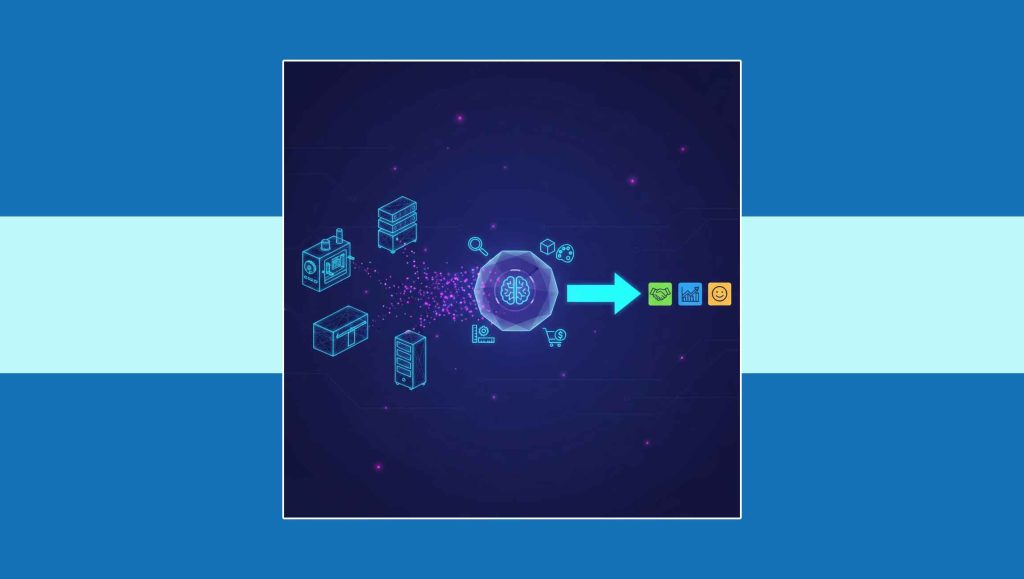
It combines the math of a pricing engine with the graphics of a video game. As you add new features or change sizes, the image updates in real-time right on the screen. You see exactly what the final product looks like. It bridges the gap between the customer’s imagination and the engineering reality. It ensures that everyone sees the exact same thing before a contract is ever signed.
How Does Interactive Building Change the Journey?
Giving the buyer control over the design process creates a sense of ownership that static brochures simply can’t match.
-
Total Control:
You allow customers to rotate, zoom, and explore the product from every angle on their own screen.
-
Instant Swaps:
They can change colors, materials, or components instantly to see how it changes the overall look.
-
Drag-and-Drop:
The system lets them drag accessories onto the main unit to customize functionality to their specific needs.
-
Physical Feedback:
Buyers get immediate visual proof of how their choices impact the physical footprint of the machine.
-
Engagement Time:
The interactive experience keeps them hooked on your site far longer than a standard price list would.
Can Logic Rules Stop You From Quoting Bad Orders?
Sales reps often promise things that engineers simply can’t build. They might sell a truck with an engine that doesn’t fit the chassis. Visual CPQ eliminates these expensive errors by enforcing strict logic rules in the background.
If a user tries to combine two parts that don’t fit, the system physically stops them. It might show a warning or just hide the option entirely. This ensures that every quote you generate is 100% manufacturable. You stop wasting time on orders that get kicked back by the factory. You protect your margins by ensuring the price always matches the complex reality of the build.
Read More: SalesTechStar Interview with Matt Price, CEO of Crescendo
Why Does Instant Visualization Speed Up the Deal?
Speed is the ultimate currency in modern sales, and visual tools remove the bottlenecks that typically slow down complex deals.
-
Instant Validation:
Buyers see the product immediately, eliminating the need to wait days for a custom engineering drawing or CAD file.
-
Stakeholder Confidence:
It is much easier to get budget approval when the finance team can clearly see what they are paying for.
-
Reduced Iterations:
You avoid the endless back-and-forth emails clarifying small details because the visual model answers those questions upfront.
-
Emotional Connection:
Seeing a realistic render of the finished product creates excitement and urgency that simple text descriptions fail to generate.
How Does This Connect to Your Engineering Systems?
A pretty picture is useless if it doesn’t connect to your operations. Visual CPQ must talk to your backend systems to work.
- The platform sends the final configuration data directly to your CAD software to generate precise manufacturing drawings automatically.
- It pulls real-time pricing and inventory data from your ERP to ensure the quote is accurate and profitable.
- You can generate a Bill of Materials instantly based on the visual model, streamlining the handover to production.
- The integration ensures that the sales team, engineering, and finance are all working from the exact same data source.
- It removes the manual data entry that often leads to shipping the wrong product to the customer.
Which Industries Are Using This to Win Right Now?
This technology isn’t just for selling sneakers; it is transforming heavy industries where precision and customization are required.
-
Heavy Manufacturing:
Companies selling excavators or tractors let clients configure attachments and safety features to suit specific job site requirements.
-
Medical Technology:
Hospitals configure complex MRI machines or surgical suites visually to ensure the equipment fits their specific room layouts.
-
Modular Construction:
Builders allow clients to design prefab offices or homes by stacking modules and selecting finishes in real-time.
-
Commercial Logistics:
Fleet managers design custom racking systems for their delivery vans to maximize storage space for their specific cargo.
Does This Tech Finally Fix the B2B Experience Gap?
B2B buyers now expect the same smooth experience they get when shopping on Amazon. They are tired of clunky legacy portals.
-
Self-Service:
You empower customers to explore options on their own time without waiting for a sales rep to call them back.
-
Transparency:
The price updates visibly on the screen with every change, building real trust in your pricing model.
-
Modern Feel:
A high-quality visual interface signals that your company is innovative and easy to do business with.
-
Mobile Access:
Buyers can configure complex products on a tablet while walking the factory floor or job site.
Are You Ready to Turn Digital Quotes Into Cash?
The ultimate goal of any sales tool is to get the signature. Visual CPQ makes the final step seamless. You move from a rough idea to a confirmed order with a single click. The customer knows exactly what they are getting, and you know exactly what to build.
By removing the ambiguity, you remove the risk. You give the buyer the confidence to say “yes” right now. In a world where attention spans are short and products are complex, the rule is simple. If they can see it, they will buy it.
Read More: Salestech for Network-Led Growth: Turning Internal Relationships into Pipeline