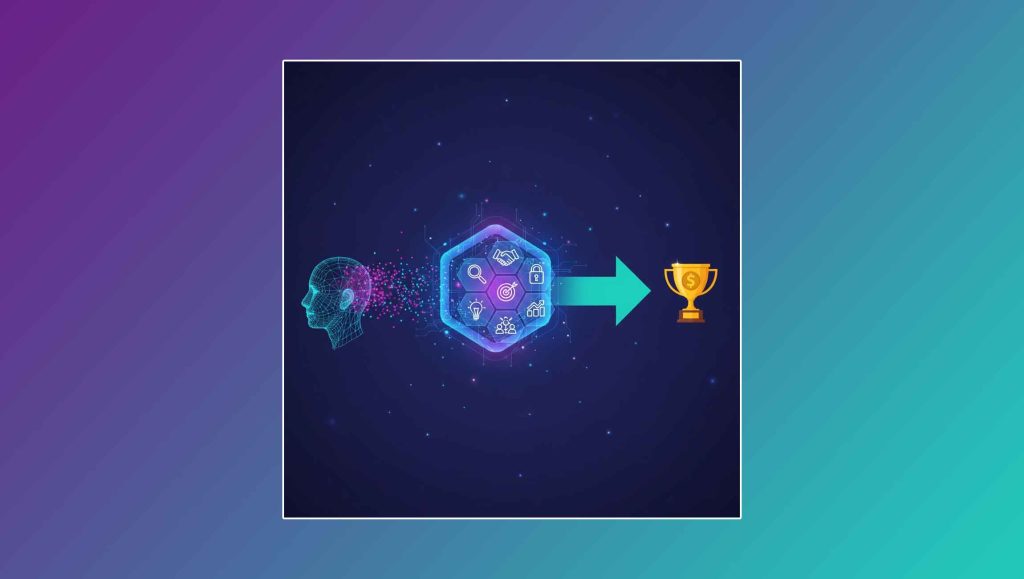
Features are often what make or break first impressions in the world of enterprise technology. Agencies and vendors both work hard to show off the newest, most exciting tools that claim to change how work is done, make it more efficient, or reveal new information. A stunning interface, an AI-powered add-on, or a new integration might get people’s attention during a sales pitch. But when the spotlight fades, it’s not the features that keep clients coming back; it’s the foundation of trust.
In the age of SalesTech, the conflict between flash and foundation has only gotten worse. There are now many more platforms competing to provide sales teams with the best tools, and the category has grown significantly in both size and competition. But even though there is a lot of excitement about new features, the truth is that most of them can be copied, improved upon, or made useless in a matter of months. Clients often don’t say it out loud, but they always check to see if the solution works reliably, adapts easily, and stays strong when their business needs it to.
Agencies today are often in what can only be called a “feature arms race.” Every three months, there are new announcements about things like predictive analytics, conversational AI, or hyper-personalized dashboards that promise to change the game. These rollouts make small changes that make vendors look like they’re ahead of the curve.
But the half-life of a feature-based advantage is very short. Competitors often release features that are almost the same as yours within a year, and sometimes they do it for less money. Clients who signed up for the promise of being different quickly find out that the market has caught up. This is especially true in SalesTech, where getting to market quickly is very important, but copying is unavoidable. What happened in the end? Features don’t usually keep people loyal, even if they get them interested at first.
Reliability as the True Differentiator
A client rarely stays with a platform for years because of just one feature. Instead, loyalty comes from something less exciting but much more important: reliability. Service layers make this reliability possible. They include regular updates that keep things from becoming outdated, monitoring that makes sure things are always up, performance management that stops bottlenecks, and proactive responses that stop crises from happening.
People don’t often ask, “What’s the most exciting new feature this quarter?” They don’t ask that. Instead, they want to know, “Will my team be able to use this tool every day without problems?” In SalesTech, where sales cycles are short and revenue operations depend on accuracy, the cost of failure is very high. A broken dashboard during a crucial quarter-end close or downtime during a busy sales campaign can make people lose trust faster than any missing feature ever could.
Shifting the Lens: From Novelty to Trust
This is where the foundation of service layers outshines the flash of features. Agencies that base their value proposition on trust—reliability, monitoring, and seamless updates—set themselves up for long-term client relationships. The flash may get the deal, but the foundation keeps the client.
Think about how customer expectations have changed. People now expect updates and reliability from consumer technology. When our mobile apps or digital platforms don’t work, people get angry right away. The same psychology applies to SalesTech. Clients expect their platforms to not only come up with new ideas but also to work well every day. When that expectation is met, loyalty grows slowly but strongly. Even the most cutting-edge feature can’t fix a breach of trust when it isn’t there.
Service Layers as the True Value Proposition
The thesis is simple but often ignored: in today’s crowded tech world, stability, not novelty, is what sets a product apart. Updates, monitoring, performance management, and proactive reliability are all parts of service layers that make relationships last. They are harder to copy than features because they depend on more than just great coding; they also depend on discipline in the workplace, maturity in operations, and a long-term commitment to client success.
This is both a problem and an opportunity for agencies that work in the SalesTech ecosystem. Competing on flash will always seem easier because it gets people talking, gets them to try things out, and gets them excited. But the companies that see the foundation as their best-selling point will create stickiness that is hard for competitors to break. They will turn reliability from a hidden cost center into a clear growth engine.
In a world where new ideas are always coming up, the people who win won’t be the ones who just chase after new features. Instead, they will be the ones who make service layers their competitive edge. Features may make clients interested, but dependability makes them loyal. In SalesTech, loyalty is what makes the difference between a quick win and a long-term partnership.
The Myth of Features as Differentiators
In the cutthroat world of SalesTech, agencies often think that the best way to get clients is to show off a lot of features in a flashy way. Every three months, there are big claims about new features that will change everything, like AI-driven insights, predictive dashboards, or easy integrations. These kinds of new ideas are exciting and get people talking, but they aren’t always as powerful as people think they are in the long run.
The truth is that features are only temporary advantages. Within months, they can be copied, re-engineered, or outpaced. Customers may be interested at first, but to keep them, you need to offer something more: reliability, trust, and the service layers that guarantee consistent performance.
The Feature Arms Race: Competing on Newness
In the SalesTech ecosystem, agencies and vendors often feel like they are in an arms race. There is a lot of pressure to put out something “new” or “game-changing” because people think that being new makes you more competitive. Sales teams talk about the newest features during pitches, saying that they are what make their platform stand out from the rest.
For instance, one platform might release a conversational AI tool that works with CRM systems, while another might respond with predictive analytics that are specific to managing a sales pipeline. The cycle goes on, with each new rollout promising to take sales organizations to new heights.
The Ephemeral Nature of Features
The issue with this method is that it is weak. Most of the new ideas in SalesTech come from software, which makes them easy to copy. Competitors watch what you do, change it, and then offer similar features, sometimes faster and sometimes for less money. A “differentiating feature” today can quickly become the norm for the whole industry.
This trend makes it less valuable in the long run to compete only on features. Agencies that spend time and money chasing short-lived innovations may find themselves in a never-ending cycle of catching up, which hurts both their margins and their credibility. The feature arms race doesn’t always lead to leadership; instead, it often leads to commoditization.
The Hidden Costs of Feature Chasing
There are costs that aren’t obvious besides replication. If you rush features to market, they may not work right, have bugs, or be hard to use. Agencies that want to impress potential clients may forget about the basic service layers—updates, monitoring, and performance optimization—that clients really need. This imbalance hurts trust over time, as clients see what happens when they put flash before function.
Why Features Don’t Keep Customers – The Thrill of the Pitch
No doubt features play a role in acquisition. When a potential customer sees a demo, the promise of unique features can help them make a decision. A dashboard that looks great or an AI-powered recommendation engine makes you feel like you’re ahead of the game. In the short term, this excitement works because it makes people curious and makes them want to sign up.
But getting a client is just the beginning of the relationship. The initial excitement fades once the platform is part of daily work. The question that remains is: does it work every day, without fail?
The Truth About Long-Term Relationships
In long-term relationships, the appeal of features often gives way to the need for dependability. Customers care less about the next cool tool and more about how well the system works when it’s under stress. They want to know:
- Is the platform stable when sales are at their highest?
- Do updates go smoothly, or do they cause problems?
- Are support teams able to fix problems quickly and well?
These questions point out a basic truth in SalesTech: clients may be interested in new ideas, but they stay because they can count on them. The novelty of features does not keep customers loyal; consistent service delivery builds trust.
The Value of Reliability Over Novelty
When making decisions about renewals or long-term partnerships, stability is often the most important factor. People often choose a tool that doesn’t have the most flashy features but is always reliable over one that looks great but breaks down under pressure. Reliability is not a luxury in industries where sales are important for making money; it is a must.
This is why service layers like monitoring, proactive updates, and performance management are the unsung heroes of keeping clients. They might not be in flashy ads, but they are the foundation of trust. In a crowded SalesTech market, agencies that understand this change and put reliability ahead of novelty will stand out.
Why Features Cannot Be the Foundation?
In the end, features don’t keep customers because they don’t meet their deeper needs for trust and stability. They are only surface-level differences and don’t give the strength needed for long-term relationships. Agencies that rely too much on them risk making partnerships that won’t last.
On the other hand, people who invest in strong service layers make their client relationships more stable. They turn reliability from an assumption into a clear promise, which builds loyalty in ways that features alone can’t. In this way, the real difference in SalesTech is not what agencies add to the platform, but how they make sure it works perfectly all the time.
The Growing Importance of Service Layers
In the race to get clients, agencies often talk about new features, but what really keeps relationships strong is what happens behind the scenes. Updates, monitoring, performance management, and reliability are all parts of service layers that make up the invisible backbone of trust. In today’s competitive market, these layers are no longer just support functions; they are what set businesses apart.
What Are Service Layers?
In the fast-paced world of sales technology, features often get a lot of attention. Agencies are in a hurry to show off dashboards, automations, or AI-powered tools that promise to change things. But underneath these visible parts are the service layers, which are what really hold client relationships together.
Service layers are the parts of a solution that aren’t visible but are necessary for it to work well and reliably over time. They include regular updates to make sure tools stay safe and compatible; monitoring systems that find problems before they become failures; performance management that keeps speed and functionality steady; and support structures that are ready to help clients right away when they need it. Reliability assurance, or the promise that the platform won’t fail at important business times, is just as important.
These layers may not be as exciting as a new feature launch, but they are what keep clients trusting you. When agencies and vendors talk about their value proposition, they shouldn’t think of service layers as “extras” or background noise. They don’t get in the way of features working well; instead, they make sure that features work well all the time. Even the most advanced tool could be seen as unreliable if it doesn’t have strong service layers.
Read More: SalesTechStar Interview with Stephanie Berner, Chief Customer Officer at Smartsheet
Service Layers as Retention Drivers
Product demos and cool features may help you get new clients, but keeping them is a different story. Once a client is on board, what keeps them from leaving is not new things, but the same things. The best way for a solution to become invisible is for it to work perfectly every day and fit into the client’s workflow without causing any problems.
Consistent performance makes you look trustworthy. Clients can be sure that every login, campaign, and data pull will work as it should. On the other hand, even small outages or frequent problems make people lose faith. People remember how reliable something is long after the excitement of a new feature fades.
Proactive monitoring makes loyalty even stronger. Instead of waiting for a client to notice a problem, good service layers flag problems, bottlenecks, or mistakes as they happen. Clients feel safe because they know that their systems are being watched over and not left to chance.
It’s just as important to get reliable updates. As technology changes and competitors adapt, a system that doesn’t change becomes a liability. But updates need to be just right—frequent enough to keep things up to date, but not so frequent that they cause problems. Well-planned update strategies show that a vendor cares about more than just short-term sales; they care about long-term performance as well.
When agencies focus on these layers, they show that service is important to them. This is the real value proposition. Features may get people’s attention, but service layers are what make the experience that keeps customers happy. A good service layer strategy cuts down on churn, boosts upsell potential, and turns customers into advocates.
Example: The Priorities of Agencies vs. Clients
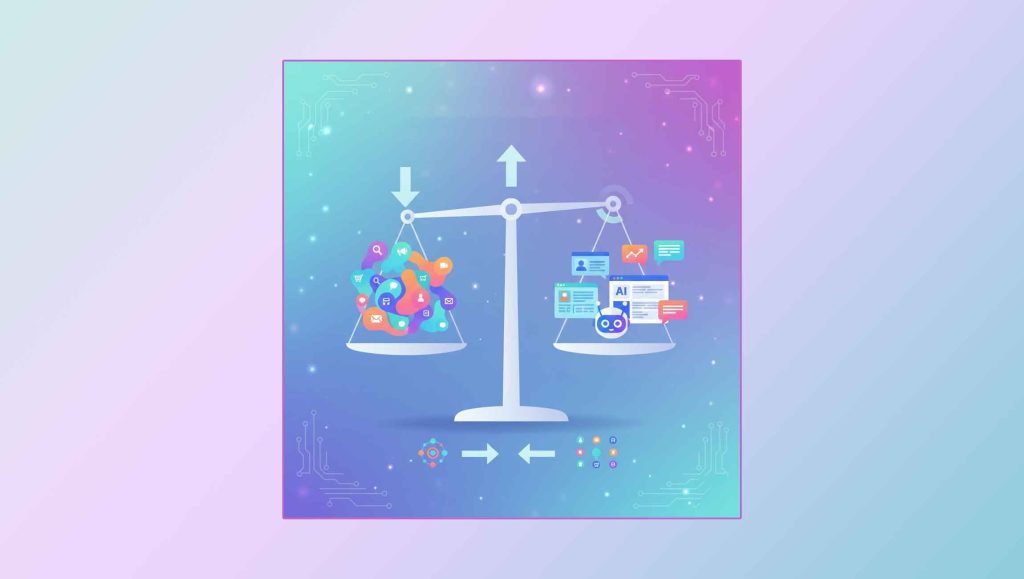
There is a big difference here: agencies sell features, but clients look for stability in the results. Agencies often talk about their cutting-edge capabilities during the sales process. They talk about how their solution is different from others by using unique dashboards, automations, or AI add-ons. But for the client, the difference is rarely a feature.
Clients ask a lot of different questions:
- Will the system stay up during a busy campaign?
- How quickly does the support team respond when there are problems?
- How often do bugs get fixed?
- How often is the system up and running?
These questions may not sound exciting, but they are what people use to judge long-term relationships.
Think about an e-commerce agency that is trying to sell you a complicated analytics tool. The client might be impressed during the demo, but if the reporting tool crashes on Black Friday, they won’t remember the new feature; they’ll remember the failure. A platform that quietly keeps things running, makes updates smoothly, and quickly fixes support tickets, on the other hand, will build trust and get repeat business, even if its features are similar to those of its competitors.
It’s clear what the priorities are:
- Agencies sell new ideas.
- Clients want things to stay the same.
When agencies don’t adapt to this reality, they risk losing clients to competitors who put a lot of effort into making sure their services are reliable. People who see service layers as a main sales message instead of a back-end function, on the other hand, are setting themselves up for long-term growth.
Putting It All Together
The increasing significance of service layers is transforming the way agencies must approach differentiation. Features may be needed to start a conversation, but service layers decide how long that conversation lasts. Agencies that focus on reliability, monitoring, updates, and performance management as their main selling points will not only keep customers, but they will also build a better reputation in the market.
In the end, service layers are more than just infrastructure; they are part of the plan. They turn client interactions from one-time purchases into long-term partnerships. In a competitive market where features can be copied in a day, the quality and consistency of these service layers are what really set agencies apart.
Why Clients Value Stability Over Novelty?
In a crowded digital world, agencies and solution providers often try to get people’s attention by adding new, flashy features. This might impress potential clients in the short term, but long-term customer loyalty is rarely built on new things alone.
What matters most, though, is stability—the ability to plan, grow, and thrive without interruption thanks to reliable services that are always available. In the age of sales tech, when technology promises faster execution and sharper insights, clients are still people, and people value trust, consistency, and predictability over gimmicks.
The Psychology of Retention
The main idea behind client retention is psychology. People who buy from you aren’t just getting tools or features; they’re getting peace of mind. Leaders can focus on strategic goals instead of putting out fires when things go wrong and when things are predictable. This is why a dashboard that looks great or a new feature that works well isn’t always enough to make a difference.
When agencies or technology providers give consistent and dependable results, they build a psychological base of trust. Clients like things to be more predictable and less surprising because this makes it easier to plan budgets, use resources, and make long-term plans. In this way, stability is not a passive quality; it helps businesses grow.
This is especially clear in sales tech. Sales leaders use platforms to get leads, keep them interested, and turn them into customers. A single problem with CRM syncing, reporting, or lead routing can have a big impact on all of your revenue operations. On the other hand, when systems work perfectly every day, the relationship between provider and client gets stronger, even without adding new features.
The Costs of Being Unreliable
Unreliability costs more than just short-term problems. Every time there is downtime, a performance lag, or a delayed update, it is not just a technical problem; it is also a financial and reputational risk for the client. For instance, if a system update is late, it could cause errors in reports during an important quarterly review, which would make executives lose faith in the tool. A sudden platform crash during a busy campaign could also mean missed chances and angry teams.
Clients know that no technology is perfect, but they can’t stand when things aren’t clear. Over time, the hidden costs of being unreliable add up: the risk of losing customers goes up, switching vendors costs more in training, and trust in the agency or solution provider goes down.
This is where salestech companies need to stand out. They shouldn’t just compete on the feature arms race; instead, they should focus on proactive monitoring, strict quality control, and open communication. These service layers keep clients safe from the expensive problems that can quickly end a partnership. A platform that is always up and running and has quick, helpful support will always be worth more than one that is new but not very stable.
The lesson is clear: stability saves money, protects brand equity, and makes client operations more resilient over time. New things can open doors, but consistency keeps them open.
Trust is the Key to Long-Term Relationships
Trust is what keeps agencies and clients together, and it is earned by consistently delivering over time, not by coming up with new ideas once in a while. Clients feel safe when a provider shows up on time, fixes problems quickly, and is open about what they do. Clients can invest more in the relationship because they know they won’t be surprised by sudden failures or changes that aren’t communicated.
Long-term relationships are the most important thing that sets sales tech apart from other businesses. Clients can’t live without a sales technology partner that provides consistent CRM performance, reliable analytics, and easy integrations. Here, trust isn’t just an idea; it leads to new contracts, more services, and clients who are happy with the service telling others about it.
Also, trust lowers the perceived risk of trying new things. Clients are more likely to try out new features or capabilities that a provider offers if they have already shown that they can be trusted to do so responsibly. Ironically, the way to successful innovation goes through stability. Novelty can only add value when there is a strong base of trust.
This means that agencies and solution providers need to think about how they present themselves. They shouldn’t focus on “latest features” as the main selling point. Instead, they should talk about how reliable they are, how long they’ve been around, and how many service layers they have. Clients may not find stability and consistency as exciting in a pitch deck, but they are what they remember after the deal is done.
In today’s competitive market, the relationship between a client and a provider is not based on new ideas, but on stability. Customers want outcomes that are easy to understand so they can grow their businesses and handle complicated situations without getting distracted. Unreliability’s hidden costs destroy trust faster than missing features, but consistent delivery builds the trust that leads to long-term partnerships.
The message for agencies and sales tech vendors is clear: new things may get people’s attention, but stability keeps them loyal. Not only is building trust through reliable performance the smartest strategy, it’s also the only way to keep clients for a long time.
SalesTech as the Key to Stickiness
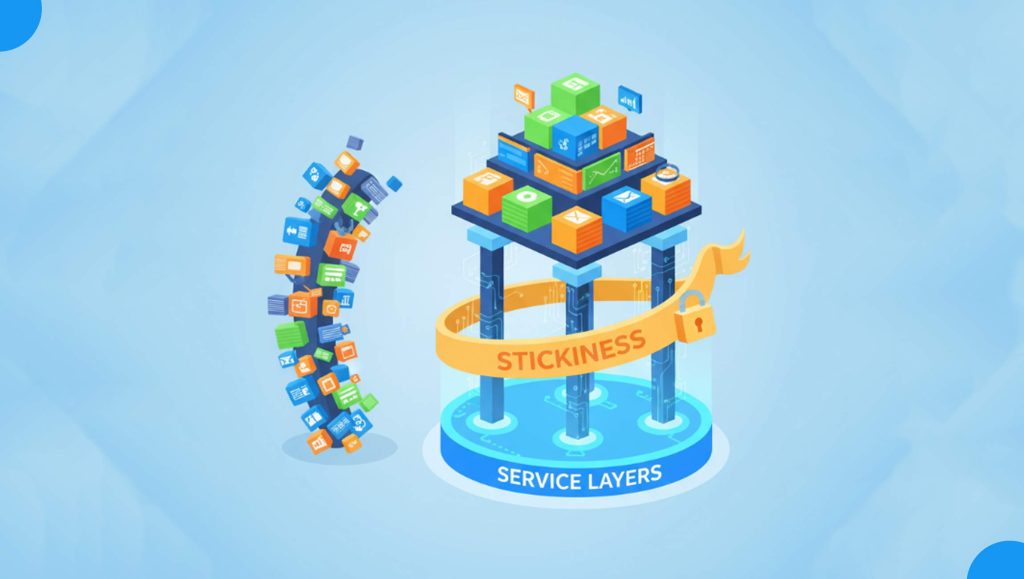
In today’s crowded market, flashy features may grab people’s attention, but they don’t always keep them coming back. “Stickiness” is what really keeps clients coming back. This means that a solution is so reliable and integrated into operations that it seems impossible to replace it.
This stickiness doesn’t come from one-time improvements; it comes from service layers that are built into everyday business activities. SalesTech is very important here because it turns reliability and consistency into growth engines instead of just support afterthoughts.
Making Service Layers into Engines of Growth
In the past, service layers like monitoring, reporting, and software updates were seen as less important, and sometimes even invisible. But in today’s business world, these layers are what make the client experience. When used in daily operations, they make sure that systems will keep working smoothly, which lets businesses focus on scaling their strategies instead of worrying about downtime.
SalesTech platforms are great for turning these service layers into engines of growth. Clients no longer have to chase updates or ask for manual performance reports because monitoring tools are now built right into CRM dashboards or sales execution systems. Instead, they can see how healthy the system is, how well the campaign is doing, and how well the sales are doing in real time. This openness not only builds trust, but it also gives clients useful information that helps them make more money.
Automation makes service layers even more useful. For instance, routine updates can be done automatically without any human help, and AI-powered alerts can let users know about problems before they happen. Analytics improve this ecosystem by turning raw system data into performance benchmarks. This lets decision-makers track progress and make smart changes.
When salestech companies bundle monitoring, automation, and analytics into their services, they change the way people think about service layers from “support costs” to “value drivers.” This is how service reliability goes from being a background function to something that helps growth.
Trustworthiness as a Sales Tool
People often think of reliability as something to talk about after the sale, like when the contract is signed. Reliability should actually be a part of the sales story itself. Customers today aren’t impressed by features that haven’t been tested; they want proof that the system will work well every day.
A salestech platform that can show its uptime history, real-time monitoring dashboards, and proactive service model right away puts itself ahead of the competition. By making reliability a key selling point, agencies and vendors can appeal to what clients value most: stability and predictability.
For example, showing a client an analytics dashboard that gives them instant access to CRM uptime, lead routing accuracy, and reporting speed directly addresses their operational concerns. These demonstrations are often more convincing than flashy mock-ups of new features that haven’t been tested yet. Clients may like new things, but they stick with platforms that get rid of uncertainty.
Also, making reliability a part of the sales pitch changes the question from “What features do we have?” to “What results can you trust us to deliver?” This small but important change makes the vendor’s value proposition fit with the client’s main goal: long-term, predictable business success. In this way, dependability is one of the best sales tools in the sales tech toolkit.
The Competitive Edge of Stickiness
Stickiness is the key to keeping clients. A solution that is “sticky” becomes a permanent part of a client’s workflow, making it not only useful but also necessary. This lowers churn, raises customer lifetime value (LTV), and even turns happy customers into advocates who tell their friends about the platform.
SalesTech solutions can keep customers by always providing reliable service through integrated service layers. A sales platform that makes it easier to see the pipeline, keeps an eye on things proactively, and makes sure updates happen without any problems makes people use it every day. These habits turn into dependence over time, and dependence is what keeps clients coming back.
You can’t say enough about how important stickiness is for business. Agencies that depend on feature-led differentiation are always in danger of being outdone by competitors who have something shinier. But it’s much harder to copy service reliability and client trust. Providers protect themselves from competition and market volatility by tying loyalty to reliability.
Also, stickiness creates a cycle of growth. Customers are more likely to use new features when they know that the vendor is reliable and that the foundation is strong. This brings in more money from new customers, stronger partnerships, and referrals. In this way, sales tech companies that focus on stickiness don’t just keep customers; they also turn them into partners in growth.
Ultimately, the strength of salesTech is that it not only makes sales processes smarter, but it also turns service layers into drivers of loyalty and long-term growth. Providers can make reliability a front-line differentiator instead of just a back-office task by using monitoring, automation, and analytics in their daily operations. Reliability itself becomes a way to sell, giving people confidence and trust that lasts longer than the new features.
Stickiness is the best way to beat the competition, and you get it by always delivering, being open about your service, and being reliable. Salespeople who think this way will not only keep more customers, but they will also build stronger, more profitable relationships with them. This makes reliability the best sales tool of all.
Conclusion: Service Layers as the Glue
In a market that is always changing, agencies and vendors often think that the newest features will keep them in business. Features may help get people’s attention and even close deals, but they don’t keep customers coming back over time. Service layers are what really keep clients coming back to agencies. These are things like updates, monitoring, managing performance, and support, which are the often-overlooked things that build trust.
Long-term growth is driven by keeping customers, not getting new ones. Getting a new client with a cutting-edge skill is only half the battle; keeping that client year after year is what makes a business profitable in the long run. Service layers help keep customers by making them feel confident that the system will not only meet their needs once, but will do so predictably and openly every time. In the ever-changing world of SalesTech, service layers are no longer seen as “support functions” but as the main value proposition.
Agencies that only focus on impressing potential clients with new features often get stuck in an arms race, where competitors quickly match or even beat each new release. This method might get people to pay attention for a short time, but it doesn’t usually make them loyal. Clients are more picky these days because they know that features can be copied. Reliability, proactive updates, and responsive service give you peace of mind that can’t be easily copied. Clients are less likely to look for other options when systems work well and agencies respond quickly, even when competitors offer more attractive options.
In SalesTech, where platforms are the main way to make money, the stakes are even higher. A small outage, incorrect reporting, or slow performance can affect all of the sales operations, leading to both lost money and damage to the company’s reputation. On the other hand, when a platform is reliable day after day, it becomes invisible in the best way: customers don’t have to worry about whether it will work; they just know it will. This invisible promise is what keeps long-term partnerships strong.
Service layers are not only about stability; they are also about making growth possible. Monitoring gives you information that can help you improve performance. Regular updates make sure that clients stay compliant, safe, and competitive. Proactive support stops problems from happening in the first place. When done well, each of these layers changes how people see service from a cost center to a growth engine. For SalesTech leaders, making reliability a strategic advantage is no longer a choice; it is a must.
In the end, the best way to sell is not to promise what’s next, but to show what works all the time. Service layers show that this is true. They tell clients that the agency or vendor is dedicated to not only getting their business but also keeping it successful. This reassurance is very helpful in a market where switching costs are high and there are many choices.
In short, features may let you in, but service layers keep you in. Reliability has become the most important thing that sets SalesTech apart from other companies. Agencies and vendors that know this and put money into making their service layers clear, measurable, and reliable will not only keep more clients, but they will also build the kind of loyalty that leads to referrals, renewals, and long-term growth. Service is no longer something that comes after the main event; it is what holds the whole relationship together.
Read More: Decoding the Future of B2B Selling through Conversational AI