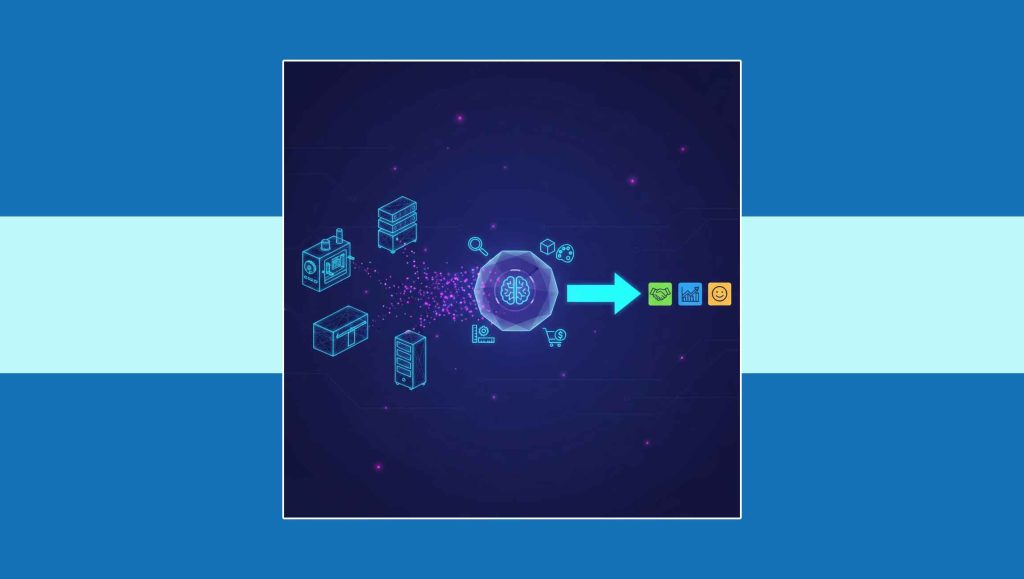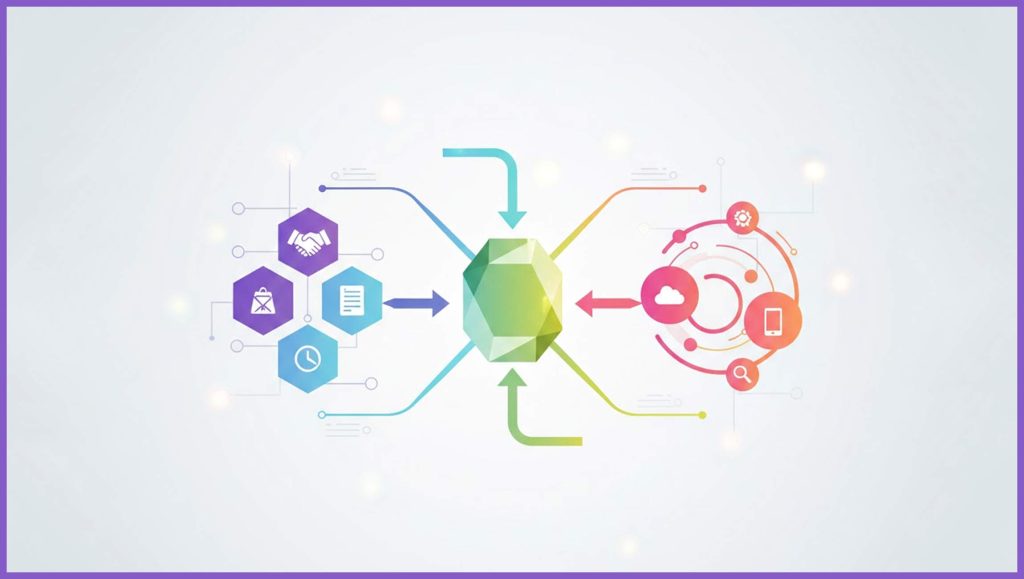
There has never been a time like the last ten years when Salestech innovation has grown so quickly. What started as a few CRM add-ons and sales automation platforms has grown into a huge network of specialized tools that help improve every part of the revenue lifecycle. Today, thousands of solutions work in areas like prospecting, engagement, sales enablement, forecasting, revenue intelligence, conversation analytics, and workflow automation.
Without a doubt, this rapid growth has given revenue teams more power. Sales teams can now use AI-driven insights to improve close rates, automate repetitive tasks, see their pipeline in real time, and personalize outreach on a large scale. Modern salestech platforms have changed the way sales teams work, so that selling based on data is now the norm instead of the exception.
But what began as a quest for optimization has slowly turned into stack sprawl. Every new business problem often leads to the purchase of another point solution. Want to improve the order of your emails? Put in a tool. Want to make your predictions more accurate? Put in another. Need AI conversation insights? Put out another layer. Over time, the stack became more and more difficult to manage because it was layered and broken up.
The Present Reality
Today’s revenue organizations often have a dozen or more tools built into their systems. Even though each solution may add some value, it is now common for them to have overlapping features. Many platforms may have analytics dashboards, automation workflows, or engagement tracking, but they often do the same things without giving you the same amount of value.
Costs for SaaS have also gone up at the same time. Subscription creep indeed happens. Redundant licenses, seats that aren’t used enough, and bundled features that aren’t used are now common budget items. CFOs are looking more closely at how much money is spent on technology and asking for clearer reasons for the return on investment. What used to seem like necessary progress now seems like extra complexity in some cases.
The problem gets worse because of integration problems. Every new tool adds new APIs, data flows, and maintenance needs. Sync problems, inconsistent reporting metrics, and broken customer records all slow things down. When systems don’t talk to each other well, sales teams feel the pain. Revenue operations teams are responsible for fixing integrations and keeping data clean. In this situation, operational drag can make the promise of Salestech efficiency less likely to happen.
The leaders of the company are responding. CIOs want to make the architecture easier to understand. CROs want to see all of their revenue in one place. Cost discipline is a top priority for CFOs. There is more pressure than ever to make revenue systems more logical and efficient. It’s not about adding tools anymore; it’s about making the whole system work better.
This moment has put the Salestech industry at a strategic turning point. Should companies combine into fewer, bigger platforms that promise simpler governance and unified data models? Or should they stick with best-of-breed specialization and choose category leaders that offer more features and make them stand out from the competition?
Consolidation gives you control, standardization, and the ability to predict costs. Specialization promises new ideas, more freedom, and better performance. There are pros and cons to both paths. Neither guarantees simplicity without careful planning of the architecture.
The Salestech strategy debate is no longer just a tactical buying decision made by department heads. It has turned into an architectural discussion that affects how revenue systems grow, connect, and change over time. Stack decisions now affect the quality of data, the ability to adapt to changing needs, and the long-term competitive edge.
As revenue teams reach this crossroads, the real challenge is not picking a side but figuring out what each path means for the structure of the company. As technology orchestration becomes more important for making money, the future of Salestech will depend not only on the tools companies buy, but also on how carefully they plan the systems that connect them.
The SalesTech Landscape is Exploding: Vendors Are Growing Quickly
The salestech ecosystem has grown at an amazing rate over the last ten years. What used to be mostly about core CRM platforms has grown into a crowded and varied market of very specialized solutions. Innovation has sped up at every stage of the sales cycle, from simple CRM add-ons to AI-powered sales assistants that can write emails, figure out what a buyer wants, and predict how much money a sale will bring in.
The rapid growth of vendors has been driven by changing buyer expectations, improvements in artificial intelligence, and the need for revenue teams to do more with less. Both new and old software companies have entered the market to help with very specific sales problems. The result is an environment that is broken up but full of features, with a separate tool for almost every small issue in the sales process.
Category fragmentation has happened on its own. Outbound sequencing and multichannel outreach are the main focuses of engagement platforms. Conversation intelligence tools look at calls and bring up coaching insights. Forecasting platforms use predictive models on data from pipelines. CPQ systems make it easier to set prices and write proposals.
Pipeline analytics tools promise that you can see your income in real time. Each type of salestech has grown up on its own, often making the best of the best in very specific areas.
Innovation has been driven by specialization, but it has also made the technology landscape more complicated. Sales leaders are now faced with a paradox: they have more options than ever, but they also have more problems with architecture.
Stack Sprawl
As the number of vendors grew, so did the average number of tools used by revenue organizations. Companies in the middle of the market and big businesses often have 10 to 25 or more sales-related apps built into their workflows. What started as small improvements to productivity has turned into what many people now call “stack sprawl.”
In theory, using more than one tool should make things work better. In real life, it’s common for automation and reporting features to work together. Some systems may have email tracking, workflow automation, analytics dashboards, or forecasting models. The redundancy isn’t usually planned, but it builds up over time as new tools are added without removing old ones.
This proliferation causes data to become fragmented across systems. There may be several databases with customer information, and they may not all be up to date. When dashboards get data from different sources of truth, they can show different results. Instead of improving performance, revenue operations teams are spending more and more time reconciling metrics. In some cases, the promise of salestech acceleration is diminished by the operational friction caused by an excessive number of disjointed systems.
The effect is real for salespeople. Changing platforms makes things take longer. When insights from one tool don’t show up in another, the context is lost. It gets harder to train new employees because they need to learn how to use more tools. What was meant to make selling easier can, by accident, make it harder.
Financial and Operational Pressure
In addition to being technically difficult, money is becoming a problem. The costs of subscriptions for the salestech stack can make up a big part of the budgets for revenue operations. As teams grow, per-seat pricing models make costs go up. Add-on features, premium analytics modules, and AI capabilities all make people spend more each year.
CFOs are looking more closely at technology budgets and asking tougher questions about how the money is being used and what the return on investment is. Discussions about cutting costs are starting to focus on things like underused licenses, duplicate functionality, and low adoption rates. In this economy, technology choices must be justified not only by their potential for innovation but also by their measurable financial returns.
Another hidden cost is the overhead for managing vendors. Every new solution brings with it contract negotiations, renewal cycles, compliance reviews, and support relationships. The procurement and IT teams are in charge of managing a growing list of vendors. The more tools there are, the harder it is to manage them.
Integration and maintenance needs put even more stress on the system. You have to set up and keep an eye on APIs. You need to fix problems with data sync. Upgrades can mess up workflows that come after them. Without strong architectural governance, the salestech ecosystem can feel more fragile as it becomes more connected.
Revenue operations functions have become the guardians of this complexity. Their job is becoming more and more about making systems work better together, enforcing data standards, and making sure that different platforms can work with each other. What used to be mostly a sales enablement role has grown into a strategic operational role that keeps technology consistent.
Transition Insight: Increased Capability Has Led to Structural Complexity
The growth of the salestech field shows real progress. Sales teams today have access to tools that were unimaginable a decade ago. AI-assisted forecasting, automated outreach on a large scale, and detailed performance analytics have changed what high-performing revenue organizations can do.
But as capabilities have grown, so has structural complexity. The same innovations that help sales teams also put their operations at risk. As stacks get bigger and deeper, businesses need to think about how their technology choices will affect their architecture.
Adding more features or tools won’t be the only thing that defines the next step in the salestech journey. How well companies handle complexity, make integrations easier, and build systems that support long-term growth will shape it. The question is not if innovation is available. It’s whether organizations can use it without being overwhelmed by the infrastructure needed to keep it going.
Why SalesTech Should Be Combined?
As revenue organizations face more and more complicated problems, consolidation has become a strong strategic response. Instead of managing a growing collection of niche tools, many leaders are looking at their salestech stack again to make it easier to use. Consolidation doesn’t mean getting rid of new ideas; it means redesigning the architecture to put more emphasis on clarity, control, and cohesion.
-
Making Architecture Easier
One of the best reasons to combine is that it makes things easier to build. Companies can make their data models and workflows more consistent by cutting down on the number of vendors in the salestech ecosystem. There are fewer integration points when there are fewer platforms, which lowers the risk of sync failures, data inconsistencies, and operational problems.
Every integration adds complexity because APIs need to be kept up to date, schemas need to be aligned, and permissions need to be managed. When many systems share data, even small changes to the settings can cause big problems with reporting. Consolidation makes these weak interdependencies less likely. A smaller number of tightly integrated platforms can offer more features while keeping technical overhead low.
In a consolidated environment, it is also easier to keep an eye on governance and compliance. It’s easier to do security reviews, risk assessments, and regulatory checks when there are fewer vendors to audit and contracts to manage. This simplification is a big help for businesses that work in more than one area and have to follow more than one set of rules.
A streamlined salestech architecture makes things clearer not just for IT teams but also for executives who want to see how well the system is working and how data is being handled.
-
Cost Effectiveness
Another big reason for consolidation is financial discipline. Subscription creep is a problem that keeps coming up for modern revenue organizations. Costs add up quickly when teams use new tools without getting rid of old ones. When companies consolidate, they can negotiate volume licensing agreements with fewer providers. This often leads to cost savings that fragmented purchasing can’t provide.
Cutting out unnecessary features makes cost-effectiveness even better. Many organizations find that different tools have similar automation features, reporting dashboards, or AI capabilities. Paying for similar features at the same time lowers ROI. A unified salestech strategy gets rid of duplication and moves resources to better use and adoption of core systems.
The cost of running the business also goes down. Managing vendors, renewing contracts, and keeping support relationships going all take up time and energy for administrators. Companies make it easier for their procurement, IT, and revenue operations teams by cutting down on the number of vendors they work with. Over time, this efficiency leads to both direct savings and increases in productivity.
-
Better Data Consistency
One of the biggest problems in revenue operations is data fragmentation. Consolidation solves this by making one place where you can find all the information you need about pipeline activity, forecasting, and performance metrics. There are fewer differences between dashboards when fewer systems handle core sales data.
Unified analytics across the revenue cycle let leaders follow customer journeys from the first contact to the last payment without having to deal with conflicting reports. This consistency makes it easier to make strategic decisions. Clean data inputs are necessary for clean forecasting models, and consolidation makes both better. When the salestech environment is simpler, reporting becomes more accurate, and departments start to trust metrics more.
Clearer data governance also makes it easier for sales, marketing, and finance teams to work together. Working together across departments is easier when everyone uses the same metrics and definitions. Instead of arguing about whose numbers are correct, teams can work on getting better results.
-
Executive Appeal
Consolidation is very appealing to executive stakeholders. CFOs like it when costs are predictable. CIOs put architectural simplicity and lower security risks at the top of their lists. CROs want to be able to see all of their revenue performance in one place. A consolidated salestech stack fits with these goals by providing standardization and centralized control.
Predictability goes beyond just budgeting. When systems are standardized, it is easier to onboard new employees, training is more consistent, and operational processes are easier to repeat. Leadership becomes more confident that growth can happen without making things more technically difficult at the same time.
In the end, consolidation is best for stability and clear operations. In a crowded and quickly changing salestech market, being simple can give you a strategic edge. Consolidation, on the other hand, gives a strong architectural base on which long-term growth can be built.
Specialization may promise cutting-edge capabilities. For businesses that care about governance, keeping costs down, and keeping data safe, consolidation makes sense and is a strong case.
The Role of Revenue Operations in Stack Strategy
As companies rethink how they use technology, Revenue Operations (RevOps) has become the main group in charge of stack decisions. What used to be a support role focused on reporting and improving processes has grown into a strategic discipline that designs, manages, and protects the future of the salestech ecosystem.
RevOps is no longer an option in a market where both rapid innovation and structural complexity are the norm.
-
RevOps as an Architect of the Stack
RevOps is becoming more and more like the architect of the revenue technology environment. RevOps centralizes ownership of sales systems instead of letting individual teams buy tools as needed. This centralized accountability makes sure that every new piece of salestech is in line with long-term architectural principles instead of short-term tactical needs.
One of RevOps’ most important jobs is to make sure that processes are the same. Even the best tools can be confusing if there aren’t clear workflows. RevOps sets up standard stages for the pipeline, rules for how leads are routed, methods for making predictions, and frameworks for reporting. By making these standards a part of their core platforms, businesses stop fragmentation before it starts.
Another important job is to keep an eye on integration. Every new system brings with it new data flows and dependencies. RevOps looks at what needs to be integrated, checks for technical risks, and makes sure that everything works together on all platforms. RevOps doesn’t just put tools together after you buy them; they plan out how to connect them ahead of time. This type of architecture makes things run more smoothly and makes the whole salestech infrastructure more resilient.
-
Data Governance and System Design
Data governance is the most important part of a good stack strategy. RevOps makes master data models that decide how accounts, contacts, opportunities, and revenue metrics are set up in different systems. If this basic design isn’t in place, data inconsistencies spread quickly.
It is always your job to make sure that data is aligned across tools. Field mappings, naming conventions, and access permissions must all stay in sync as different platforms work together in the salestech environment. Even small differences can make predictions or performance reports less accurate. RevOps sets up rules for governance that keep things the same as the stack changes.
It’s just as important to manage the lifecycle of tools. Technology shouldn’t stay the same. RevOps always checks to see if the platforms they already have are still useful for reaching strategic goals. Tools that aren’t used enough may be combined or thrown away. Before being used, new solutions must pass architectural tests. This method of lifecycle management keeps the structure stable over time and stops stack sprawl.
RevOps makes sure that growth doesn’t hurt stability by seeing the stack as a living system instead of a bunch of separate tools. In a time when salestech can quickly become more complicated, this systemic view is very important.
-
Alignment Between Sales, Marketing, and IT
Decisions about modern stacks are always cross-functional. Sales engagement platforms, marketing automation systems, and customer data tools have all become less clear. Because of this, salestech strategy needs more and more coordination between sales, marketing, and IT teams.
RevOps is what links these functions together. Sales leaders are mostly concerned with speeding up the pipeline and meeting quotas. Lead generation and engagement are the top priorities for marketing teams. IT makes sure that everything is safe, can grow, and follows the rules. RevOps makes sure that these priorities are in line with each other, turning business goals into a clear system design.
As security and compliance needs grow, IT involvement has become even more important. You need to be proactive about vendor risk assessments, data privacy rules, and integration security protocols. RevOps works closely with IT to make sure that salestech investments meet company standards without getting in the way of new ideas.
At the same time, marketing automation and sales engagement tools often work together. Without coordination, features that aren’t needed and messages that aren’t clear can happen. RevOps connects these areas by streamlining workflows and making sure that customers have the same experience on all platforms.
RevOps, not vendors, will lead the way in salestech strategy in the future. Vendors will keep coming up with new ideas and useful features. But for stack design to be sustainable, the people who work on it need to own the architecture. RevOps gives you that discipline by balancing growth with structural integrity, innovation with governance, and flexibility with control.
Organizations that give RevOps the power to be the stack architect will be better able to deal with complexity in a market that changes quickly. Instead of reacting to vendor roadmaps, they will plan their own revenue systems on purpose. And by doing this, they will turn salestech from a bunch of tools into a single engine that drives steady growth.
Read More: SalesTechStar Interview with Matt Price, CEO of Crescendo
Hybrid Models: Platform Core + Specialized Extensions
As organizations navigate the consolidation-versus-specialization debate, a clear pattern is emerging. The future of salestech is not defined by choosing one extreme over the other. Instead, companies are designing hybrid models that combine the stability of a core platform with the agility of specialized extensions. This architectural middle ground offers both control and innovation—if managed intentionally.
The Emerging Middle Ground
A core CRM and revenue platform is at the heart of most hybrid strategies. This foundation takes care of core reporting, managing accounts, opportunities, pipeline stages, and forecasting. It becomes the only place where you can find accurate revenue data and the operational backbone of the salestech environment.
Companies build specialized tools around this core that solve specific problems better than general platforms can. For instance, a business might use its main CRM to keep track of leads and add a top-of-the-line conversation intelligence platform to improve coaching insights. Advanced forecasting, CPQ optimization, or AI-driven engagement tools may also sit on top of the main platform without taking its place.
This layered method acknowledges a practical truth: no one vendor is the best in every area. Core platforms are best for stability and breadth. Specialized tools work best when they are deep and fast. Companies can take advantage of both with a hybrid salestech architecture.
But keeping this balance takes discipline. Without governance, adding more specialized tools can quickly cause the stack sprawl that consolidation is trying to get rid of. The success of hybrid models does not depend on how many tools are used, but on how well they are coordinated.
API-First Ecosystems
API-first ecosystems have grown up a lot, which has made hybrid salestech strategies much more possible. Integration is a big part of how modern platforms are made. Open APIs, standardized data schemas, and real-time event streaming make it easier to link systems without having to change them too much.
Integrations used to be weak and take a lot of resources. Modern frameworks make it easy for data to move between CRM systems, engagement platforms, forecasting tools, and analytics dashboards. This ability to work together makes specialization less of a hassle than it usually is.
Middleware and orchestration layers are very important parts of this ecosystem. More and more, businesses are using integration hubs or iPaaS (integration platform as a service) solutions instead of connecting each tool one at a time. These middleware layers handle API calls, centralize data transformations, and make sure that systems are consistent with each other.
Companies lower their technical debt and make maintenance easier by using orchestration layers to separate integrations. You don’t have to redesign the whole salestech stack just because one specialized tool changes. This architectural insulation makes things more flexible while keeping them stable.
Composable architectures make hybrid models even stronger. Composability promotes modular design instead of treating platforms as single systems. Each tool does a specific job and follows common data standards and integration protocols. The end result is a revenue technology environment that acts like a coordinated ecosystem instead of a bunch of apps that don’t work together.
In this model, salestech is less about single products and more about how systems work together. The focus changes from comparing features to interoperability and orchestration.
How to Make a Hybrid Work?
Hybrid architectures have a lot of potential, but they need clear rules to keep things from getting too complicated. The first thing you need is clear architectural principles. Organizations need to be clear about their standards for data ownership, security compliance, integration protocols, and vendor selection. These rules are like a guide that helps you make decisions about technology.
Evaluating a tool should not stop with its features. In a hybrid salestech environment, how well things work together is one of the most important things to look for. Questions like “Does this tool fit with our master data model?” or “Can it work smoothly with existing APIs?” are just as important as how well it works.
It’s also very important to have clear ROI thresholds. Specialization should only be pursued when it yields quantifiable performance enhancements that warrant increased complexity. If a niche tool only makes small improvements but adds extra work for integration, the long-term cost may be higher than the short-term benefit.
These guardrails are usually put in place by revenue operations teams. RevOps makes sure that hybrid architectures grow in a planned way rather than a reactive way by putting all oversight in one place. Every new part must fit in with the overall design principles of the system.
It’s also very important to have documentation and openness. When using hybrid salestech stacks, you need to carefully map out data flows, ownership responsibilities, and integration dependencies. Troubleshooting gets harder and governance gets weaker when you can’t see what’s going on. Mature organizations see their stack documentation as important infrastructure.
Handling Risk and Complexity
Hybrid strategies are always a little bit complicated. But if you plan for it, complexity doesn’t have to mean chaos. The most important thing is to tell the difference between productive complexity and accidental complexity.
When specialized tools give clear performance advantages, like higher win rates, more accurate forecasts, or better coaching results, productive complexity happens. Unintended complexity happens when tools don’t work well together or overlap in ways that aren’t necessary.
Organizations can tell if each part of the salestech stack adds real value by regularly checking how well the system is working. You should think about getting rid of or rethinking tools that don’t meet performance standards. Hybrid models do best when optimization is always happening instead of being set in stone.
Security and compliance must also be top priorities. Every specialized tool comes with its own risks of exposing data. Hybrid architectures only work when governance frameworks grow along with integration layers. IT and security teams need to work closely with RevOps to make sure that being flexible doesn’t mean breaking the rules.
The Cultural Side
Designing technology is only one part of the puzzle. Cultural alignment is also necessary for hybrid sales tech strategies. The sales, marketing, and IT teams all need to know and follow the same architectural rules. When different departments skip governance steps to use new tools on their own, fragmentation happens again very quickly.
Discipline is encouraged by clear communication about stack strategy. Leaders need to explain why hybrid orchestration, not unchecked growth, is the goal. When teams know that the quality of integration affects how much money they make, it is easier for them to use architectural guardrails.
Training and managing change also help hybrid success. Instead of getting in the way, specialized tools should make users’ workflows better. Continuous enablement makes sure that investments lead to productivity gains instead of user confusion.
Core Idea: Intelligent Orchestration Over Extremes
The salestech market is not heading toward full consolidation or unlimited specialization. It is moving toward smart orchestration. Companies are learning that they need to strike a balance between control and new ideas if they want to keep making money.
A stable core platform gives you control, consistent data, and trust from your bosses. Extensions that are made just for you give you an edge over your competitors. API-first design, middleware orchestration, and strict oversight are what keep them together and will help them succeed in the long run.
In this world that is always changing, architectural thinking is becoming just as important as feature evaluation. In salestech, the people who win won’t be the ones who have the most tools or the ones who only work with one vendor. They will be groups that make systems that work well together and can adapt without falling apart.
Hybrid models are a sign that something is ready. They know that no one platform can fix every problem, but they don’t want the problems that come with uncontrolled growth. By putting interoperability, governance, and ROI-driven specialization first, businesses can turn salestech from a source of problems into a strategic growth engine.
In the end, the people who plan well will have the future. The next step in the evolution of salestech will be guided by smart orchestration, which is based on a clear architecture and strict operational discipline.
SalesTech Strategy Is Now a Decision About Architecture
In the last ten years, decisions about revenue technology were often seen as tactical purchases. The new tool promised to make predictions more accurate. Another one promised better automated outreach. A third gave advanced analytics. But having so many tools has changed the conversation in a big way. SalesTech strategy is no longer about adding features; it’s about designing the architecture.
Companies are starting to see that stack decisions affect how their revenue engines work, grow, and compete. The tools chosen, the integrations made, and the governance models enforced all work together to decide whether revenue teams move quickly or slowly because of operational drag. In this setting, SalesTech strategy is no longer just a list of things to buy; it’s now an architectural discipline.
Stack Decisions Affect Revenue Flexibility
Architecture is what really decides how agile something is. The technology that a revenue organization has in place has a big impact on how quickly it can try new things. When launching a new outbound motion takes weeks of integration work, data mapping, and workflow configuration, it slows down experimentation. If systems can work together and are modular, pilots can be set up in a few days.
The architecture of SalesTech has a direct effect on how quickly new projects can be launched. The underlying stack either speeds up or slows down execution when you try out a new pricing model, test a campaign for a specific industry, or use AI-driven forecasting. Systems that are broken up cause problems. Unified data models and well-designed integration layers make it less likely.
Stack design also has an effect on scalability. Revenue operations need to grow along with the business. As businesses grow from small to medium to large, the number of leads, opportunities, and transactions grows by a huge amount. When systems can’t be scaled up, they have to be upgraded and moved at a high cost. On the other hand, well-designed SalesTech environments can grow without having to be rebuilt all the time.
Being agile isn’t just about being fast; it’s about being fast for a long time. If systems become unstable under pressure, rapid experimentation loses its value. Architectural foresight makes sure that speed and dependability go hand in hand. This balance is what makes mature revenue organizations stand out.
Finding the Right Balance Between Control and Innovation
The debate between consolidation and specialization is really about a deeper conflict between control and innovation. Consolidation makes things clearer. Fewer systems make governance easier, lower costs that are hard to predict, and make it easier to report on everything in one place. Leadership becomes more visible and predictable. The risk of exposure goes down.
At the same time, specialization makes things different. Best-of-breed tools often push the limits of performance in very specific areas. Advanced conversation intelligence, AI-powered pipeline analytics, or highly customizable engagement platforms can give you an edge over competitors that use more general systems.
The right mix of consolidation and specialization depends on how far along the business is and what its strategic goals are. Companies that are just starting out may value flexibility and experimentation more than others. They may prefer specialized tools that let them quickly try out new ideas. As things get more complicated, mid-sized businesses often turn to consolidation to get back control of their operations. Companies may use hybrid models that are based on central platforms and add strategic extensions on top of them.
There is no one-size-fits-all solution. What matters is being intentional. Revenue leaders need to think about not only what a tool can do, but also how it fits into the bigger picture. Without governance, innovation leads to fragmentation. Without new ideas, governance leads to stagnation. Architectural thinking fills the gap.
Architectural Maturity as a Way to Get Ahead
Companies that see SalesTech as an architecture instead of inventory get long-term benefits. They set rules for data ownership, integration, and vendor evaluation. They give revenue operations teams the power to enforce standards. They think about how each technology choice will affect the whole system.
This level of maturity makes you stronger. Architecturally sound stacks are easier to change when market conditions change, like when the economy gets worse, new rules are put in place, or technology changes. You can change the way systems work without taking down the whole ecosystem. The integrity of the data is still there. Execution goes on with very little trouble.
On the other hand, reactive stacks that are built through ad hoc purchases often have problems when things change. The gaps in integration get bigger. There are more and more inconsistencies in reports. Teams don’t trust that the system will work. Over time, operational friction hurts performance.
Future Trend: Fewer Core Systems, Smarter Integrations
Looking ahead, the market seems to be moving toward fewer core systems that work better with each other. Central platforms will get better, with more features and better built-in functionality. CRM and revenue management systems will keep getting better and become full operational hubs.
Modular extensions will do well around these hubs. Instead of replacing core systems, specialized tools will work together through standard APIs and orchestration layers. The focus will change from replacing tools to making them work together.
AI-driven orchestration layers are likely to become more common. These systems will keep an eye on data flows, automate integration logic, and make workflows work better across platforms. Intelligent orchestration will keep systems in sync and running smoothly, so there won’t be any need for manual oversight. As automation gets more advanced, it will be even more important for architecture to be consistent.
The growth of composable architecture will have an even bigger impact on stack design. Revenue technology environments will be put together like building blocks that can be moved around. Companies will switch out parts in a way that doesn’t throw the whole system off balance. This composability lets you change things without giving up control.
A Board-Level Discussion on Revenue Architecture
The most important change may be that revenue architecture has moved to the boardroom. Now, choices about technology affect how accurate financial forecasts are, how efficient operations are, how much risk of noncompliance there is, and how different a business is from its competitors. Because of this, stack strategy and corporate strategy are coming together more and more.
CFOs care about keeping costs down and getting a return on investment that they can count on. CIOs put security, integration, and scalability at the top of their lists. CROs want to see things clearly and speed up performance. CEOs care about long-term growth. SalesTech architecture is in the middle of these two priorities.
When revenue systems are key to carrying out a strategy, oversight naturally moves up to the executive level. Architectural choices are no longer limited to IT or sales management. They turn into shared strategic commitments.
Boards increasingly ask:
- Is the revenue stack scalable?
- Are systems secure and compliant?
- Can the organization pivot quickly when markets shift?
- Does technology create a defensible advantage or an operational burden?
These questions reflect the recognition that revenue architecture shapes enterprise agility.
Final Thoughts
SalesTech strategy is no longer about picking between flashy new ideas and strict rules for running a business. It’s about making a system that works well with both. Stack decisions affect how quickly companies can try new things, how reliably they can grow, and how sure they are about their predictions.
Companies that see their revenue technology environment as infrastructure instead of extras will do better in the future. The next era will be defined by fewer core systems, smarter integrations, modular extensions, and orchestration powered by AI.
In the end, architecture decides what happens. Companies that plan their designs will be able to move faster, grow smarter, and compete better. People who collect tools without a clear plan will have a hard time with complicated things.
SalesTech has grown up. Now the question isn’t what tools to buy; it’s how to make a revenue engine that lasts.