In sales, efficiency is the only trump card to have!
But when you want to create a super-efficient sales team, you should minimise all the redundant tasks and optimise the sales function for a higher ROI. And that’s where sales automation steps in. With sales automation, you and your team do not have to worry about managing the monotonous tasks. But integrating sales automation can be tricky, especially while handling customer relationships. Let us understand the way to go about sales automation for a dynamic market.
What is sales automation?
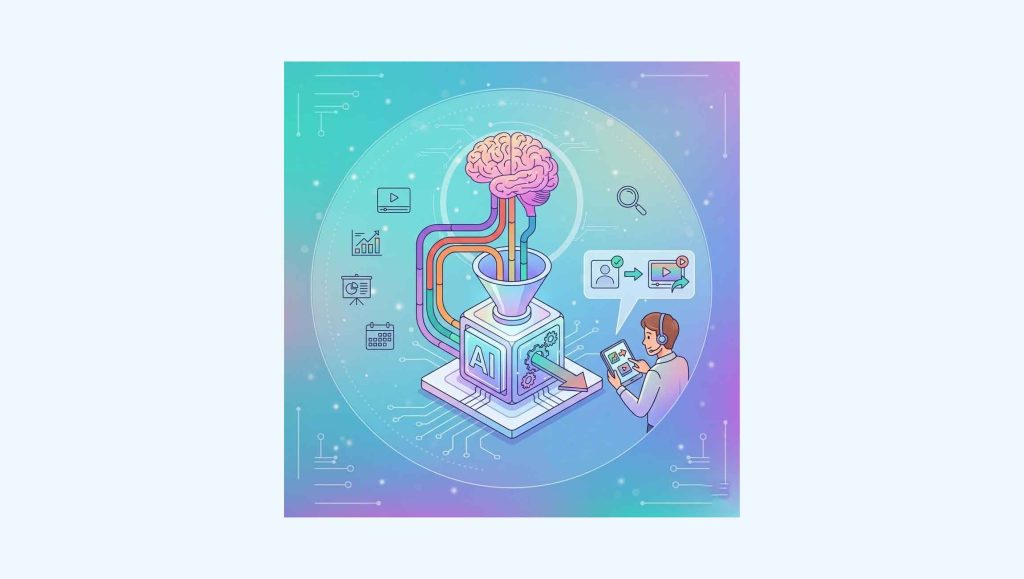
Sales automation refers to using a software tool, e.g., CRM, to eliminate repetitive tasks. The process brings efficiency to the sales process and improves the productivity of your team. So, when you integrate sales and automation, you can do everything from sending follow-up mails and setting up reminders to ensuring that you do not miss a single sales opportunity.
Modern evolutions of sales automation
Today, sales automation solutions are evolving rapidly to enable businesses to adapt to the changing business dynamics. By automating repetitive tasks, offering real-time insights, and creating personalised customer experiences, Salestech allows teams to focus on strategic activities and respond to the emerging customer needs. Such is the agility we need to stay competitive in today’s volatile business world.
Here’s how sales automation helps businesses stay agile:
-
Data-driven decision-making:
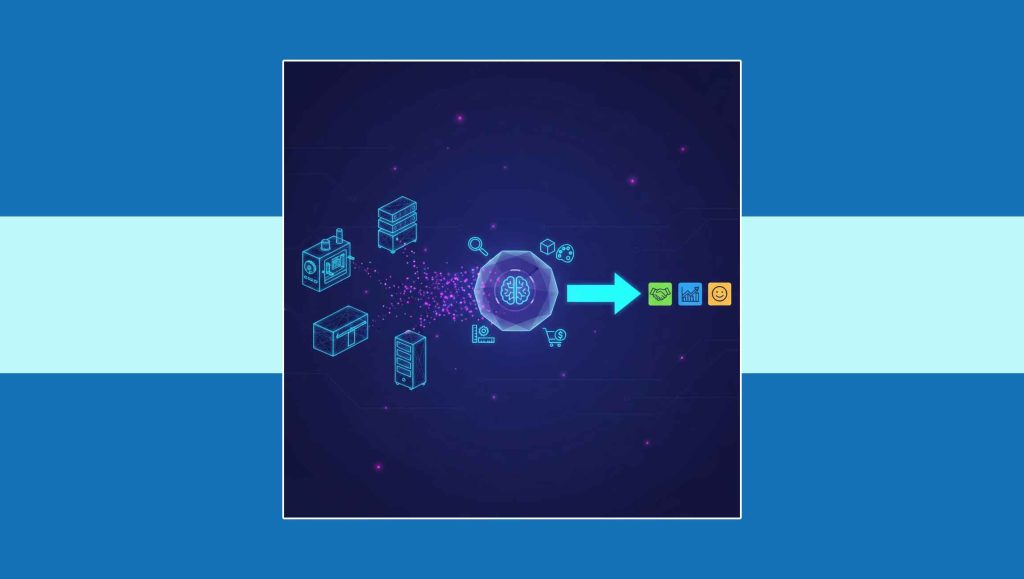
The embedded advanced analytics within a sales automation platform provide real-time insights into customer behaviour, market trends, and sales performance. It helps sales leaders to take data-driven decisions and adjust sales strategies as per the need.
-
Automated workflows:
With the help of advanced automation, you can save time and energy of your sales teams by automating repetitive tasks like lead qualification, data entry, and follow-ups. Hence, your sales team is free to focus on high-value activities like building customer relationships.
-
Personalised customer engagement:
Modern sales automation tools allow for tailored communication based on customer data, enabling targeted outreach and customised sales pitches, which leads to more relevant interactions.
-
Rapid response to market changes:
Sales automation tools inform sales leaders about the ongoing marketing trends. They help in monitoring marketing trends and customer feedback, allowing you to quickly adapt your sales strategies to address emerging opportunities.
Read More: SalesTechStar Interview with Satish Shenoy, Regional VP of Technology Alliances at SS&C Blue Prism
Sales automation features supporting agility
-
AI-powered lead scoring
Sales automation tools like HubSpot, SalesMindAI, and Salesforce Einstein are some of the popular top-grade lead scoring platforms. They leverage the power of AI and help salespeople in accurate and efficient lead scoring.
-
Predictive analytics
Sales automation tools can forecast future sales trends and customer behaviour. It helps to identify potential opportunities and underlying risks as well. With the help of the insights, your sales team can plan their future campaigns as per the future customer behaviour.
-
Omnichannel communication
Advanced sales automation tools offer seamless integration across multiple communication channels. Whether you connected with a prospect over an email and later on social media, the software will unify both the conversations and give you a single view of the same.
-
Sales intelligence dashboards
Sales automation tools feature interactive dashboards where your team can create visual representations of key metrics. It helps to identify areas for improvement and make informed adjustments.
Challenges to consider while implementing sales automation
-
Maintaining Personalisation at Scale
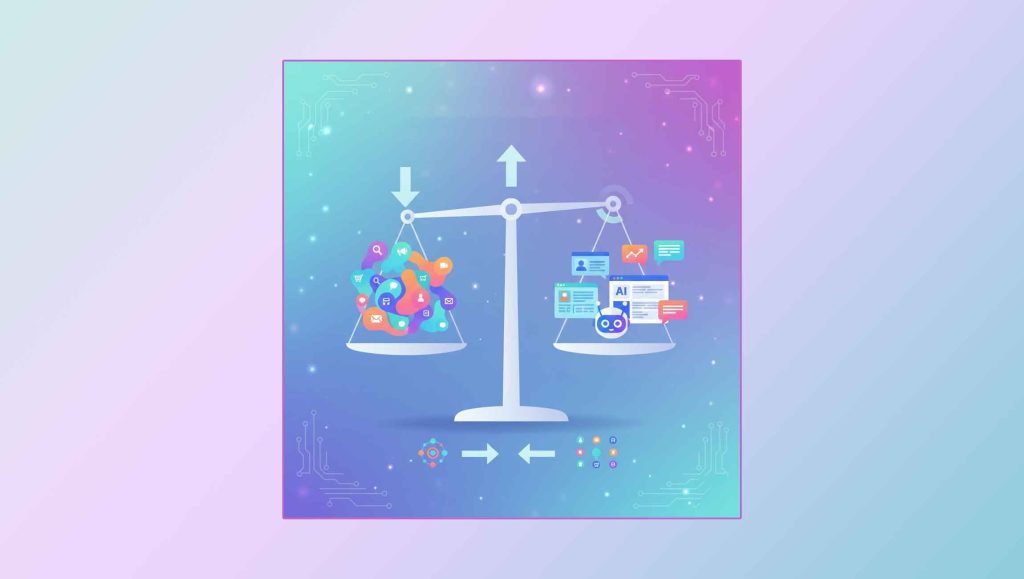
As automation increases, businesses often struggle to retain a personalised touch in their customer interactions.
-
Data Integration and Accuracy
With multiple tools and platforms generating data, integrating and ensuring its accuracy remains a significant hurdle.
-
Resistance to Change
Sales teams may resist adopting new technologies due to unfamiliarity or concerns about job displacement.
-
Over-Automation Risks
Excessive reliance on automation can result in impersonal customer experiences and missed opportunities to build trust.
-
Dynamic Market Needs
Rapid market shifts demand agility, which many static automation solutions fail to accommodate.
Case studies of brands
Let us have a look at the brands that have successfully adapted to sales automation:
Isuzu
Isuzu Motors enhanced their lead management process and improved sales by 17% through the use of automated sales funnels and personalisation of the sales process. By implementing Salesmanago’s automation tools, they streamlined workflows and tailored customer interactions, leading to increased efficiency and revenue.
Decathlon
Decathlon accelerated its product time-to-market by 50% using Tableau data analytics, part of Salesforce’s suite. By empowering their global team with actionable data insights, they increased productivity and operational efficiency.
Wrapping Up
Sales automation is no longer a luxury but is a necessity for businesses that want to succeed in the dynamic market. When you start leveraging advanced salestech solutions, you can scale operational efficiency while keeping control over processes and relationships. The key lies in adopting agile strategies, integrating the right tools, and ensuring that automation enhances your customer experience.
Read More: The Rise of Sales Automation in Non-Traditional Industries