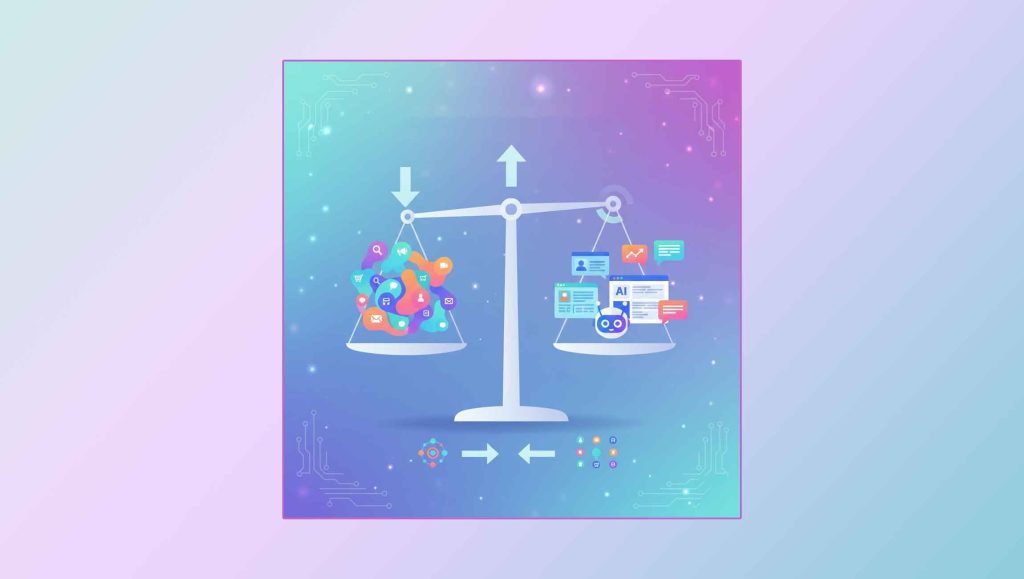
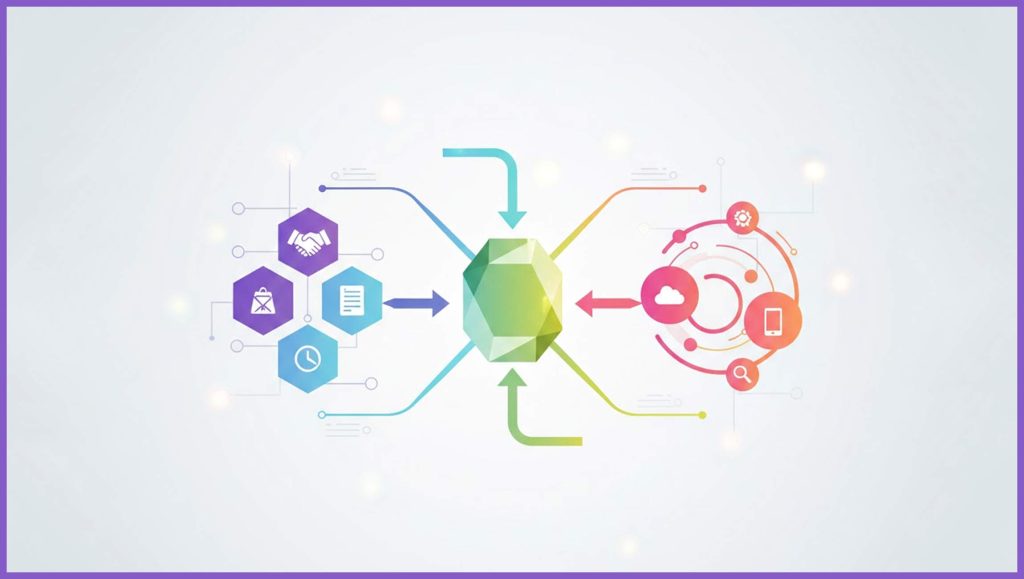
Historically, marketing and sales departments have functioned independently, resulting in conflicting objectives and gross inefficiencies. This gap frequently leads to disjointed customer experiences, lost prospects, and varied communication protocols. Nevertheless, the rising demand for unified customer experiences has underscored the necessity for smooth cooperation between these teams.
By utilizing integrated salestech platforms, companies can bridge this gap, facilitating improved alignment, collective insights, and more efficient workflows. These platforms enable marketing and sales teams to collaborate effectively, guaranteeing seamless communication, better lead handling, and increased customer satisfaction. This cooperative strategy is essential for addressing the changing needs of contemporary consumers and fostering sustainable business development.
The Evolution of Sales and Marketing Collaboration
Traditionally, sales and marketing teams functioned independently, with each division concentrating on its own specific goals and measurements. Such separation frequently led to misaligned strategies and variables in brand messaging, which ultimately impacted customer experience and business performance.
Nonetheless, the rise of unified salestech platforms has transformed this dynamic. New age salestech platforms connect the gap by promoting effortless collaboration and seamless customer data exchange. This facilitates collaboration between marketing and sales to achieve shared objectives and provide a cohesive customer journey and experience.
How Sales and Marketing Collaboration Has Evolved With Modern SalesTech?
Integrated salestech platforms are designed to enhance alignment between sales and marketing teams by presenting a suite of advanced features.
-
Shared CRM Systems:
Centralized customer data to provide a unified view of customer interactions. This enables both teams to access and update customer information in real-time, ensuring data consistency.
-
Data Analytics:
Advanced analytics within modern salestech help in extracting actionable insights from large volumes of data. This allows both the teams to make informed decisions and tailor strategies to individual customer needs.
-
Communication Tools:
Integrated salestech platforms often include communication prompts and features like chat, email, and project management tools, facilitating better coordination and information sharing between teams.
-
Marketing and Sales Automation:
Modern salestech capabilities help streamline regular tasks like email coutreach, social media updates, and lead follow-ups. This frees up time for both marketing and sales to focus on strategic business development activities.
-
Performance Dashboards:
Real-time dashboards provide visibility into key performance metrics. This helps teams track progress and adjust strategies as needed.
Read More: SalesTechStar Interview with David Sudbey, Chief Customer Officer at Dialpad
Benefits of Unified Data for Sales and Marketing Collaboration
Integrated salestech platforms provide various benefits by consolidating data and promoting teamwork. Unified data sources offer extensive customer insights, facilitating enhanced strategies and focused campaigns.
1. Enhanced Customer Insights:
A consolidated data source provides a thorough perspective on customer actions, integrating demographics, preferences, and engagements. This enables teams to create customized strategies, provide highly personalized experiences, and enhance targeting, ultimately increasing customer satisfaction and engagement.
2. Data-Driven Strategies:
Groups utilize collaborative data to examine patterns, spot possibilities, and enhance strategies. By utilizing consistent data, they develop unified campaigns that guarantee coherent messaging, optimize resource distribution, and boost overall return on investment via focused initiatives.
3. Improved Operational Efficiencies:
Optimized teamwork removes redundancies by merging workflows and automating repetitive activities. This enables marketing and sales to concentrate on high-priority objectives, boosting productivity and minimizing delays resulting from miscommunication or misaligned aims.
4. Stronger Customer Relationships:
Coordinated strategies allow for tailored communication, cultivating stronger ties with customers. By coordinating efforts, sales and marketing teams can provide uniform experiences, foster trust, and improve loyalty, effectively encouraging repeat purchases and sustaining long-term customer retention.
5. Faster Decision-Making:
Immediate access to data enables swift recognition of market trends and consumer demands. Teams can quickly react using flexible strategies, guaranteeing competitiveness, enhanced agility, and the capacity to seize new opportunities.
Tackling Common Obstacles in Adopting Integrated SalesTech Platforms
Adopting integrated salestech platforms can present several issues, such as resource allocation constraints, resistance to change, and data integration issues. Addressing these challenges effectively is crucial for a smooth transition and successful implementation.
1. Addressing Resistance to Change:
Employees may resist new platforms due to unfamiliarity or fear of disruption. Conducting interactive training sessions and highlighting the salestech platform’s benefits can ease transitions and foster acceptance among teams.
2. Solving Data Integration Issues:
Integrating disparate data sources can be complex. Employing tools designed for seamless integration and engaging IT specialists ensures smooth data migration and centralized management.
3. Providing Adequate Training:
Lack of user expertise can hinder platform efficiency. Comprehensive training programs focusing on platform usage and its advantages enhance proficiency and drive adoption.
4. Ensuring Leadership Buy-In:
Leadership support is critical for successful implementation. Involving decision-makers in planning stages and communicating expected outcomes helps secure commitment to the platform.
5. Measuring and Iterating:
Challenges often arise post-implementation. Regularly tracking performance metrics, gathering user feedback, and iterating processes address pain points and optimize platform effectiveness over time.
Conclusion
Integrated salestech Platforms significantly enhance seamless collaboration between marketing and sales teams by unifying data and streamlining internal and external communication. These platforms offer features such as shared CRM data points, data analytics, and automation capabilities, which foster improved growth norms. As sales technology evolves, the future potential of integrated salestech platforms in transforming marketing and sales collaboration is immense, promising even more refined strategies and superior customer outcomes, if used correctly.