The B2B sales landscape has evolved. Buyers now spend less time engaging with sales reps and more time doing independent research. Surfing review sites, consulting peers, and evaluating competitors, all is done long before they respond to a cold email.
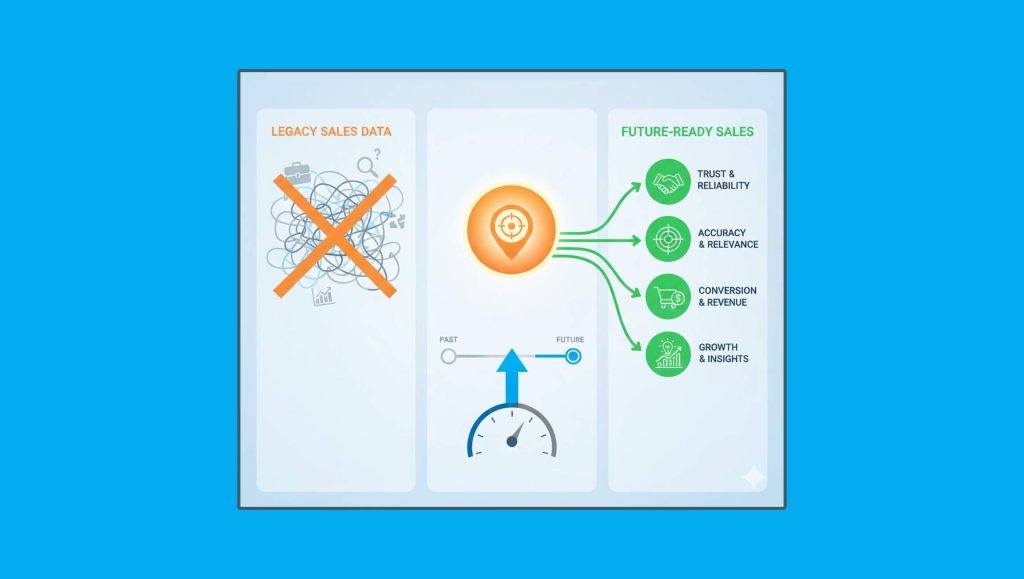
Traditional sales tactics fall short giving the state and stage of modern B2B buyers. Today, B2B sales leaders need a smarter, faster, and more predictive approach to deal with their clients. And that’s where, Salestech and AI steps in.
Salestech is the ecosystem of digital tools and platforms that optimize sales processes. From conventional SaaS to AI-powered systems, SalesTech has evolved to help B2B sales leaders predict what a customer wants and even tweak the sales campaigns in real-time.
Although robust and smart, simply installing SalesTech tools will not bring efficiency overnight. It will happen only when we use the tools strategically.
Here are five ways B2B sales leaders can win with SalesTech and AI in 2025 and beyond.
Harness predictive engagement to capture invisible demand
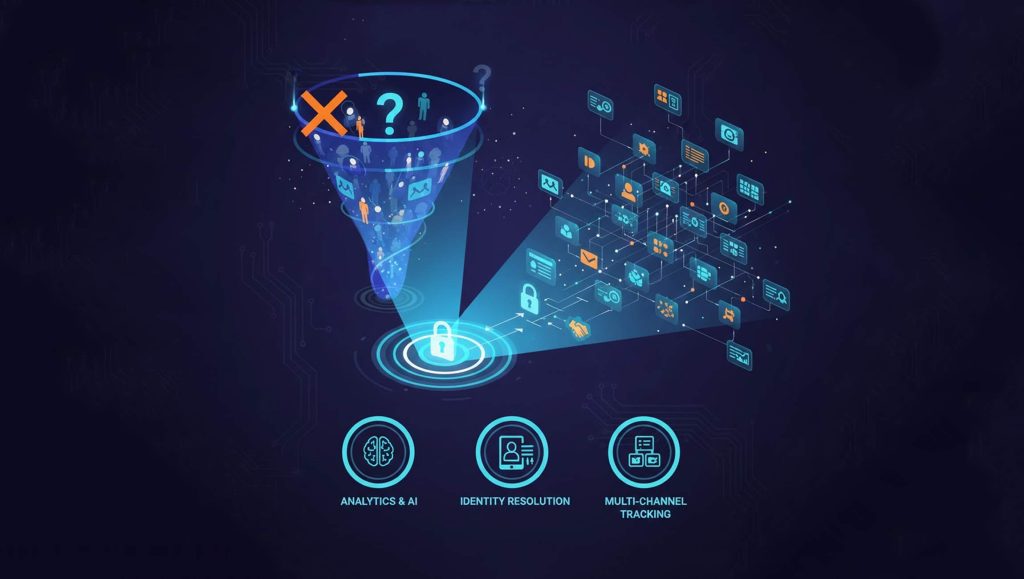
Modern buyers operate in the “dark funnel”, the early stages of their journey where intent signals are hidden. They browse competitor websites, consume thought leadership, and attend webinars without ever filling out a form. Predictive AI tools like 6sense, Demandbase, and ZoomInfo are designed to uncover this invisible demand by analyzing behavioral data from third-party sources and surfacing high-intent accounts.
How to win:
Sales leaders should implement AI-driven intent data platforms that score and prioritize accounts based on real-time interest. These platforms help reps engage the right prospects at the right time, even before they raise their hands.
Automate administrative tasks to reclaim selling time
According to a recent Salesforce report, reps spend just 28% of their week actually selling. The rest is eaten up by admin work, logging calls, updating CRMs, scheduling meetings, writing emails. With tools like Outreach.io, SalesLoft, and Gong, much of this can now be automated.
- Email sequencing can be triggered based on behavior.
- CRM updates can be handled automatically through call transcription.
- Meeting scheduling is now AI-driven with tools like Chili Piper.
How to win:
Empower reps to focus on high-value activities—building relationships, understanding customer pain points, and closing deals—by minimizing manual tasks. Deploy sales engagement platforms that integrate seamlessly with CRMs and collaboration tools.
Use conversational intelligence to improve rep coaching
Gone are the days of generic training. With tools like Gong, Chorus, and Avoma, sales leaders now have visibility into every sales call, email, and demo. These tools use natural language processing to flag coaching opportunities, highlight talk-to-listen ratios, and track competitive mentions.
Example:
A company using Gong discovered that top-performing reps asked 33% more discovery questions in the first 10 minutes of a call. They used this insight to retrain the entire team resulting in a 15% improvement in win rates.
How to win:
Build a data-driven coaching culture. Use conversational analytics to identify high-impact behaviors and scale them across the team.
Adopt AI for smarter forecasting and pipeline management
Traditional forecasting relies heavily on rep intuition and manual CRM updates making it prone to error. AI-based forecasting tools like Clari and BoostUp analyze historical deal data, sales activity, buyer signals, and pipeline velocity to offer far more accurate projections.
These tools help leaders:
- Identify deals at risk
- Spot pipeline gaps earlier
- Forecast with precision, not guesswork
How to win:
Make AI-based forecasting a team-wide discipline. Ensure that your reps understand how their activity data contributes to more accurate predictions—and better strategic decisions.
Enable real-time personalization at scale
B2B buyers now expect personalized, relevant communication, just like consumers. With AI, sales teams can now tailor their outreach at scale. Platforms like Drift, Mutiny, and Personalize.io allow dynamic website content and sales messages to be customized based on account behavior, firmographics, or past interactions.
Example:
A cybersecurity company used AI to dynamically personalize web content for each visiting account, increasing demo requests by 26%.
How to win:
Work with marketing and RevOps teams to connect intent data, CRM insights, and messaging tools—delivering 1:1 personalization without sacrificing scale.
The modern B2B buyer has changed, and the smartest sales leaders are changing with them. Salestech and AI are not just helpful tools—they are foundational to winning in an era of compressed deal cycles, more educated buyers, and tighter budgets.
To thrive, sales leaders must:
- Think like data scientists
- Coach like performance managers
- Operate like technologists
- And above all, lead like strategists
By embracing Salestech intentionally, using AI to amplify human insight rather than replace it sales leaders can future-proof their teams and drive more consistent, scalable growth.
It is imperative for B2B sales leaders to adapt to SalesTech and AI and bring the required efficiency and results to the table.
Read More: SalesTech for Stickiness: Why Service Layers Matter More Than Features?