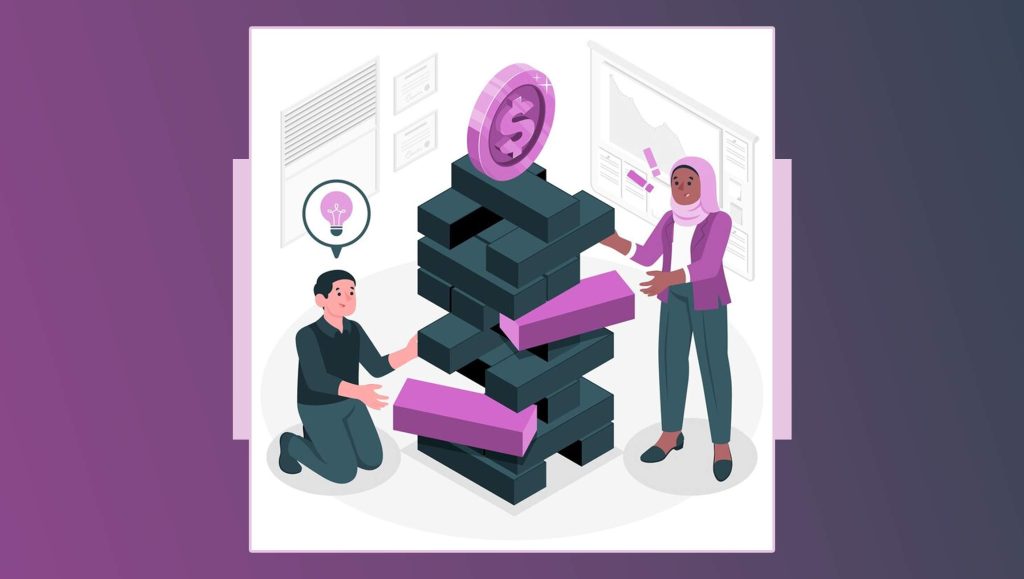
In fast-paced marketplaces, sales teams require more than blanket directives. Each individual brings unique skills, motivations, and learning styles. By tailoring leadership strategies, sales leaders can tap into undiscovered potential, ensure steady professional growth, and inspire peak performance. This article explores how customized leadership helps drive lasting success for diverse sales teams.
Recognizing Individual Strengths and Weaknesses
Leaders who pay close attention to each rep’s strengths and weaknesses can build dynamic sales teams. The more managers understand their people, the better they can guide them toward targeted improvement.
-
Conduct Regular Assessments:
Periodic check-ins and performance reviews uncover hidden talents, highlight areas for growth, and shape personalized strategies for every person on the team.
-
Encourage Honest Feedback:
Leaders who invite open dialogue learn what motivates each member of their sales teams and pinpoint where extra support may be needed.
-
Map Out Unique Roles:
Assign tasks aligned with a rep’s strengths. Doing so boosts engagement and fosters confidence among team members who feel valued and appreciated.
Adapting Coaching Styles to Experience Levels
Whether it’s a new hire or a seasoned professional, each member of sales teams requires a distinct style of coaching. By adjusting guidance to their experience level, leaders foster meaningful progress.
-
Offer Structured Onboarding for Beginners:
Clear instructions and regular mentoring encourage newcomers to absorb best practices. Tailored lessons help them develop core competencies without feeling overwhelmed.
-
Promote Autonomy for Senior Reps:
Experienced sellers thrive when trusted with independence. Personalized goals and advanced techniques keep them motivated and challenge them to enhance their craft further.
-
Blend Formal and Informal Learning:
Some prefer hands-on demonstrations, while others excel with digital training modules. Adapting delivery methods sustains momentum across diverse experience brackets.
Designing Custom Roadmaps for Ongoing Growth
Sales teams that rely on cookie-cutter training often see limited returns. Individual roadmaps that outline clear objectives, timelines, and resources build a more focused learning environment for every rep.
-
Define Target Outcomes:
Collaborate with each seller to identify measurable goals aligned with broader company targets, ensuring everyone works in unison while following personal aspirations.
-
Set Milestones and Checkpoints:
Schedule short-term targets to maintain accountability. Milestones allow leaders to review progress and revise strategies as needed, keeping each development plan relevant.
-
Use Data-Driven Insights:
Track call conversions, deal velocity, and customer feedback to shape ongoing coaching. Real-world performance metrics guide the refinement of personalized growth pathways.
Read More: SalesTechStar Interview with Don Cooper, Vice President of Global Alliances at Aras
Maximizing Individual Potential Within the Team
When sales teams focus on capitalizing on each person’s natural abilities, productivity soars. Instead of pouring all resources into correcting weaknesses, leaders can harness existing strengths to gain a competitive edge.
-
Encourage Peer Collaboration:
Match reps whose strengths complement each other. This approach ensures that team members learn new techniques and bolster each other’s selling styles.
-
Assign Specialized Roles:
If someone excels at closing deals, delegate high-stakes negotiations to them. Likewise, let the data-savvy individual analyze market trends to inform sales strategies.
-
Reinforce Top Performers:
Offer rewards and recognition for achievements. Positive reinforcement reminds your best reps that their skills matter and motivates them to sustain those results.
Addressing Weaknesses Through Tailored Support
Leaders who customize their mentoring styles can help sales teams overcome individual obstacles. By handling each weakness privately, managers cultivate trust and highlight the path toward improvement.
-
Pinpoint Specific Skill Gaps:
Observe call recordings, read email interactions, and gather customer feedback to figure out what each rep needs to strengthen.
-
Use Targeted Workshops:
Design training sessions that address particular issues. Smaller group activities work best for reinforcing techniques like objection handling or time management.
-
Encourage Incremental Progress:
Celebrate small improvements and give constructive feedback at every step. Gradual wins build momentum and keep sales teams motivated to push further.
Uniting Diverse Personalities for Collective Success
A supportive team dynamic propels sales teams forward. When reps feel safe sharing ideas and experiences, everyone benefits from combined knowledge and builds resilience in challenging markets.
-
Promote Open Dialogue:
Host roundtable discussions and informal meetups where all voices can be heard. Collective brainstorming energizes the team and surfaces valuable fresh angles.
-
Nurture Mutual Accountability:
Encourage coworkers to hold one another responsible for agreed-upon tasks. This sense of shared responsibility increases commitment to outcomes.
-
Emphasize Respect for Differences:
Unique perspectives enrich sales strategies. By respecting diverse backgrounds and viewpoints, managers create a culture of inclusion where everyone feels welcome.
Measuring Success with Customized Leadership
Even the most creative leadership approach needs consistent evaluation. Assessing how well individualized methods drive results helps sales teams sustain growth and adapt to evolving market demands.
-
Track Quantitative and Qualitative Metrics:
Look at total deals closed, revenue generated, and client satisfaction scores. Pair them with insights gathered from employee surveys for a balanced view.
-
Conduct Regular Performance Reviews:
Have ongoing one-on-one sessions to compare accomplishments against objectives set in personalized plans. This keeps team members aligned and inspired.
-
Celebrate Key Achievements:
Recognize both personal milestones and collective gains. Celebrations encourage sales teams to chase higher targets while underscoring the value of each contributor.
Conclusion
Moving away from rigid, one-size-fits-all leadership enables managers to unlock hidden talents within their sales teams. By personalizing coaching, leaders nurture trust and encourage meaningful development for every individual. When managers blend compassion with deliberate strategy, the entire team thrives. In a competitive landscape, customized leadership becomes the catalyst that empowers sales teams to surpass targets, strengthen unity, and sustain long-term success.
Read More: How SalesTech is Reshaping Buyer-Seller Dynamics?