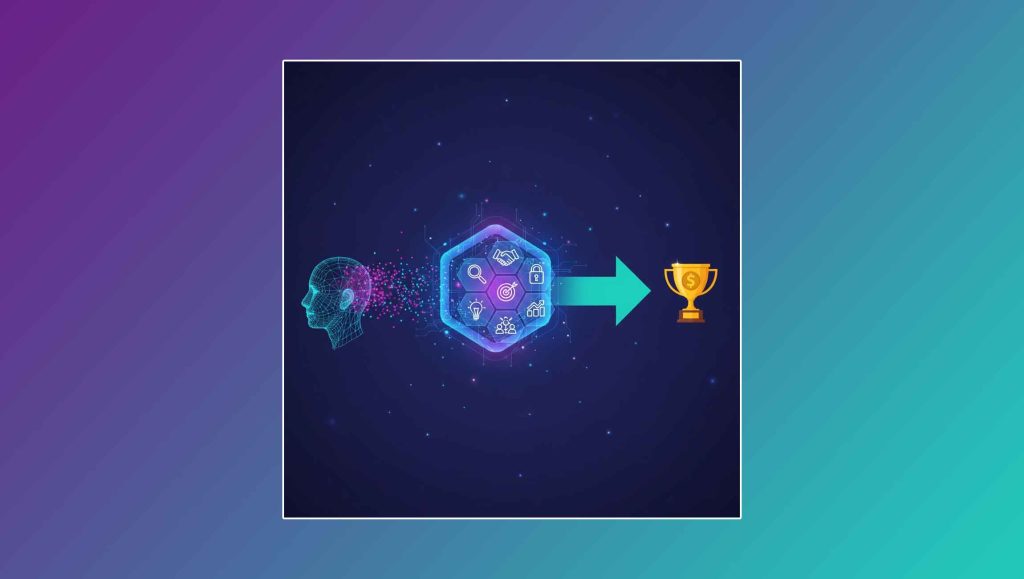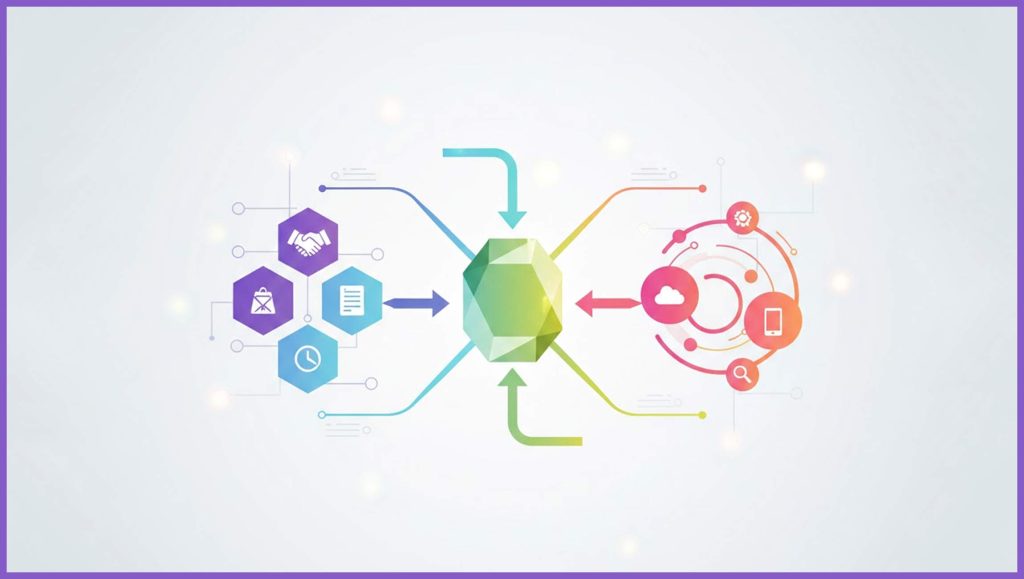
You know that the buyer journey has changed. Your customers do not trust cold calls anymore. They trust their friends, their consultants, and the agencies they already work with. These “Super-Connectors” hold the keys to your next big deal. However, they often do not want to resell your software. They just want to advise the client.
If your tracking system only rewards the person who swipes the credit card, you are in trouble. You ignore the people who actually influence the decision. To fix this, you need to master partner influence attribution. This strategy allows you to see, manage, and reward the hidden ecosystem that drives your revenue.
Why Are Old Reseller Models Failing?
Traditional channel models focus strictly on the transaction. You pay a commission to the reseller who signs the contract. This worked when value added resellers (VARs) controlled the market. Today, a consultant might spend three months convincing a client to buy your tool, only for the client to buy directly from your website.
In the old model, that consultant gets zero dollars. Next time, they will recommend your competitor. This gap creates friction and destroys loyalty. You need partner influence attribution to capture the value of that advice. If you do not track the influence, you lose the partner.
What Is Ecosystem Attribution?
We need to define this new metric clearly to understand how it changes your partner strategy and payouts.
-
Tracking Influence:
You measure the impact a partner has on a deal even if they do not process the final payment.
-
Value Scoring:
partner influence attribution assigns points to activities like making intros or advocating for you during a bake-off.
-
Multi-Touch Logic:
It moves beyond “last touch” to recognize that multiple partners helped push the deal across the finish line.
-
Behavioral Credits:
You reward partners for driving adoption and renewals rather than focusing strictly on the initial net new sale.
Read More: SalesTechStar Interview with Matt Price, CEO of Crescendo
How Do You Map the Overlaps?
You cannot manage what you cannot see. You likely have thousands of prospects who already work with your partners. Account mapping technology solves this. It compares your CRM data with a partner’s list safely. It highlights the matches immediately.
You see exactly which agency has a strong relationship with your target account. This visibility is the foundation of modern partner influence attribution. Instead of flying blind, you know exactly who to call to get a warm introduction. You stop guessing and start leveraging existing trust.
Should You Pay for Intros?
You must incentivize partners early in the cycle because waiting for a closed deal often takes too long.
-
Meeting Spiffs:
Pay a flat fee when a partner sets up a qualified meeting with a decision-maker you want.
-
Influence Fees:
Offer a percentage of the deal to consultants who help you win but cannot resell the product.
-
Marketing Funds:
Unlock extra budget for joint events based on the partner influence attribution score of that specific partner.
-
Access Tiers:
Give high-influence partners early access to your product roadmap or beta features as a non-monetary reward.
-
Referral Links:
Use simple tracking links that allow non-transactional partners to register leads without logging into a complex portal.
What Are Co-Sell Platforms Doing?
Tools like Crossbeam and Reveal are changing the game. They automate the mapping process we just discussed. They act as a neutral ground for data. You connect your Salesforce, the partner connects theirs, and the platform says, “You both target Acme Corp.”
This triggers a conversation. It turns a cold call into a warm intro. This data feeds directly into your partner influence attribution model. You can prove that the partner was involved from day one. This proof makes it easy to justify paying them for their help, even if the deal closes directly.
Can You Share Data Without Leaks?
Security teams often block data sharing, so you need a safe way to collaborate without exposing sensitive customer lists.
-
Data Clean Rooms:
These secure spaces allow you to compare datasets to find matches without ever revealing the underlying personally identifiable information.
-
Blind Matching:
You only see the data if there is a confirmed overlap, keeping the rest of your pipeline completely private.
-
Governance Rules:
Set strict expiration dates on shared data access to ensure former partners cannot see your customer lists forever.
-
Encryption Standards:
Modern platforms encrypt the data before it leaves your CRM, ensuring that partner influence attribution remains compliant.
How Do Sales Reps Work With Partners?
Your direct sales team might view partners as competition for commission, so you must align their incentives to encourage collaboration.
-
Neutral Compensation:
Pay your sales reps on the full deal value even if a partner gets a cut.
-
Joint Planning:
Require account executives to build a territory plan that explicitly includes key partners for their top accounts.
-
Lead Sharing:
Encourage reps to send leads back to partners when the customer needs services you do not offer.
-
Success Stories:
Publicly celebrate deals where partner influence attribution proved that a partner helped close a stuck deal.
-
Ecosystem Training:
Teach your reps how to identify which partners have influence in their specific vertical or region.
Can You Forecast This Revenue?
Forecasting is usually a guessing game. Adding ecosystem data makes it a science. Deals with a partner attached usually close faster and for more money. By tracking “Ecosystem-Attached” revenue, you see the lift.
You can predict that if a specific consultant is involved, the win rate doubles. This is the ultimate value of partner influence attribution. It turns relationships into predictable math. You know exactly which deals are safe and which ones are at risk.
Valuing the Assist
The market is crowded. Buyers trust their friends and advisors more than they trust you. If you only track the closer, you lose the opener. Managing the influencer ecosystem requires a new mindset. You must value the assist as much as the goal.
Read More: Salestech for Network-Led Growth: Turning Internal Relationships into Pipeline