Cold calling used to be the most important part of sales, but now predictive AI listens before salespeople call. That one line perfectly sums up the huge changes happening in sales. For a long time, the picture of salespeople hunched over phones and dialing through long lists of names was the best example of outbound selling.
The number of calls made and how persistent the rep was were both signs of success. The idea was simple: the more doors you knocked on, whether they were real or not, the more likely you were to find a possible buyer. But that way of doing things seems less and less useful in today’s digital-first, buyer-driven market.
Volume and persistence were the keys to traditional prospecting. Sales managers pushed the idea that “activity equals results,” which meant that hundreds of calls meant a healthy pipeline. This brute-force method did sometimes lead to deals, but it was also very inefficient. Reps often spent hours chasing people who weren’t interested, didn’t have the money, or couldn’t make a decision. In the meantime, buyers who were really in the market were often missed just because they weren’t on a rep’s list that day.
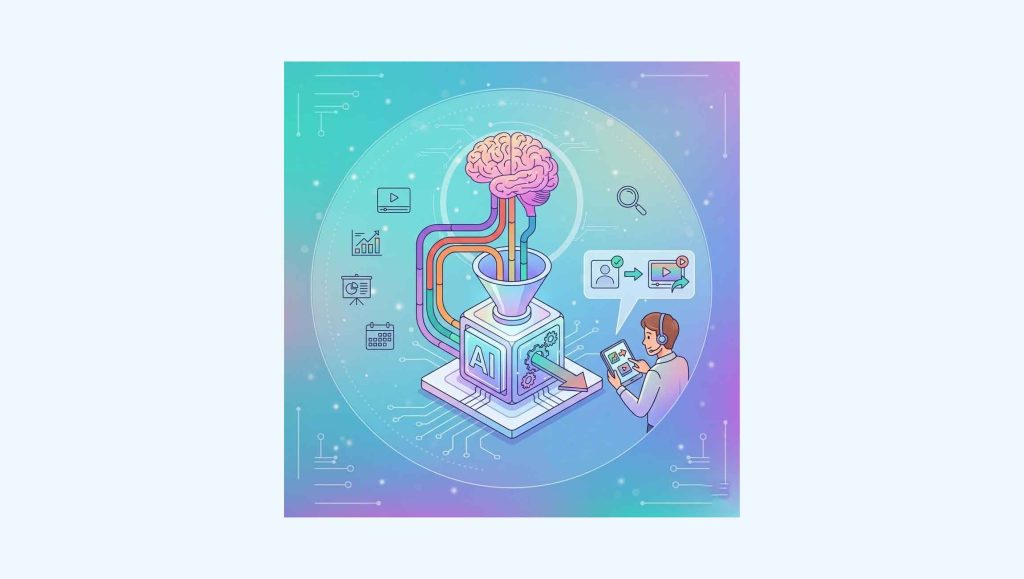
Customers now expect personalization and relevance at every touchpoint, so relying on guesswork seems almost reckless. The new paradigm is predictive listening in salestech. Instead of casting nets and hoping for a bite, predictive listening uses AI to pick up on small digital signals that show a potential customer is getting closer to making a purchase.
These signals, like a pattern of website visits, repeated engagement with competitor content, or even quiet participation in industry webinars, are not obvious to the naked eye, but machine learning models can see them clearly when they are looked at on a large scale. Predictive listening changes prospecting from a numbers game to a science of waiting. It gives sales teams the tools they need to figure out who is most likely to buy, what they want, and when they are ready to talk.
The effects are very important. Salespeople can talk to potential customers right when they are thinking about making a purchase, instead of waiting for them to fill out a form or reply to an email. They can join conversations with more than just generic pitches; they can bring insights that are specific to what the prospect has already been looking into or saying online. This changes the situation: the prospect feels understood instead of interrupted, and the sales rep is confident instead of desperate.
This change means that blind prospecting is no longer possible. Cold calls used to be a necessary evil, but now they mean wasted time and money. Predictive listening is a sign of accuracy. It lets businesses match their outreach to what real buyers want instead of going after shadows. Search engines changed the way people found information, and now predictive listening is changing the way sales teams find opportunities. The teams that hear the quiet signals first will win, not the ones that make the most calls. This is because of digital footprints and AI-driven insights.
It’s not enough to be the loudest person in the room anymore if you want to sell things. It’s about being the best listener. And predictive AI is the hearing aid that makes this happen.
The Death of Blind Prospecting
Sales used to be all about blind prospecting, where reps called people over and over again with little to show for it. Today, AI-powered salestech is replacing guesswork with accuracy and showing buyers who are already interested. The result is fewer calls that go nowhere, shorter cycles, and more meaningful conversations with customers.
The Old Way: Manual Dialing and Endless Rejection
For a long time, persistence was what defined traditional outbound prospecting. Salespeople would spend their days calling number after number, hoping that one in a hundred conversations would lead to a sale. They would use phone books, spreadsheets, or CRM lists to do this. The process was hard: hours of work often ended with full voicemail boxes, short rejections, or polite brush-offs. Even though conversion rates stayed very low, companies kept working hard because they thought that all the work would eventually lead to sales.
This system was tiring for salespeople and annoying for potential customers. Most of the time, random cold calls didn’t come at the right time in a buyer’s journey. Instead, they got in the way of work and made potential customers feel like they were being pressured instead of helped. What happened? Sales teams got tired, and people who were interested in buying became less willing to respond to unsolicited calls.
Welcome to the Age of Data-Driven Accuracy
The rules are different now. Artificial intelligence is making modern sales tech solutions less guesswork when it comes to prospecting. AI tools can find leads who are already showing signs of interest by looking at their digital footprints, like visits to websites, sign-ups for webinars, activity on social media, and interactions with competitors. Sales teams no longer start with a random list; instead, they start with a refined pool of leads that are interested in what they have to offer.
This change really ends blind prospecting. In the past, a rep had to deal with rejection after rejection. Now, they can reach out to buyers who are already warming up to the idea of making a purchase. Outreach becomes more useful, conversations become more important, and the chances of success go way up. This is how salestech changes the game from a numbers game to a strategic discipline by replacing volume with accuracy.
Why This Change Is More Important Than Ever?
It is very important that this change happens quickly. Sales cycles are getting shorter because buyers are making decisions more quickly. Modern buyers are more informed than ever before when they talk to salespeople because they can quickly compare products, read peer reviews, and look at case studies. If sellers get there too late, after their competitors have already started, they probably missed their chance.
At the same time, there is more competition. There are a lot of similar products and services on the market, so timing and relevance are what make the difference between closing a deal and losing it. Organizations can no longer afford to waste time on blind prospecting. On the other hand, predictive listening powered by salestech makes sure that teams are talking to buyers at the right time. It’s not enough to just be heard; you have to be heard at the right time.
From Guesswork to Guided Selling
Think of two different situations. In the first, a rep calls 100 numbers and talks to about ten people, setting up one meeting that isn’t very exciting. In the second, AI picks out ten leads that show clear signs of interest, like downloading whitepapers from competitors or joining online discussions about the industry. A rep calls, and half of those calls lead to real opportunities. There is a big difference.
This is what guided selling is all about, and it’s a key feature of advanced salestech platforms. Instead of chasing shadows, reps are shown the leads that are most likely to turn into customers. The salesperson’s job changes from hunting to consulting, with less focus on breaking through resistance and more on giving value where it is needed.
The New Baseline for Modern Sales
The end of blind prospecting isn’t just a trend; it’s the new standard for sales teams that want to stay ahead of the competition. Companies that stick with the old way of doing things might get drowned out by those that use AI-driven, predictive strategies. Customers are just too smart, too busy, and too overwhelmed with choices to respond to outreach that isn’t relevant.
In this setting, salestech isn’t a luxury; it’s a need. It gives sales teams the power to align their efforts with what real buyers do by combining predictive listening with intent-driven data. The result is shorter cycles, higher conversion rates, and better relationships with customers.
The cold call isn’t just dying; it’s already dead. What happens next is more intelligent, sharper, and human. No more blind prospecting; instead, there is predictive listening.
Getting to Know Predictive Listening
The rise of AI and advanced sales technology tools has made predictive listening the next big thing in sales intelligence. At its most basic level, it means being able to keep an eye on digital footprints and read intent signals before a buyer officially enters the sales funnel. Traditional prospecting methods rely on guesswork or manual outreach, but predictive listening picks up on small patterns in online behavior.
This gives sales teams an idea of what a prospect might need. The strength of this method is that it changes sales from responding to customers’ needs to proactively engaging with them—meeting them where they are before they even raise a hand.
1. Tracking Online Behaviors Before Outreach
Sales teams used to not be able to see much of a buyer’s decision-making process. People made cold calls and sent out email blasts in the hopes of getting people interested in a vacuum. Predictive listening, on the other hand, looks at digital traces like visits to websites, downloads of content, attendance at webinars, or even how often someone goes back to a certain product page. Every one of these actions could be a sign of intent, and modern salestech platforms can collect and combine them into useful information.
Predictive listening can show that a prospect is really interested in something if they read a lot of cybersecurity blogs or go to a lot of virtual events about it. The sales team can then send the lead personalized messages, which greatly increases the chance that they will convert. This gets rid of wasted time on buyers who aren’t interested and instead focuses on those who are actively looking to buy.
2. Connecting Signals Across Fragmented Platforms
The problem with today’s digital ecosystem is that it is too spread out. People who want to buy things are all over the place: on LinkedIn, Twitter, industry forums, review sites, webinars, and even content from competitors. A single prospect can leave behind dozens of signals on different platforms, but if they aren’t connected, these signals look like separate data points.
AI algorithms built into salestech ecosystems are used in predictive listening to connect these dots. It can be seen that the same person who downloaded a whitepaper last month also commented on an industry discussion yesterday and signed up for a product demo newsletter today. Predictive listening combines these signals to give you a complete picture of what a buyer wants.
This connected intelligence is very important for speeding up sales cycles. Salespeople don’t have to wait for a lead to fill out a form to know what the next logical step in the buyer’s journey is. Instead, they can put themselves in the buyer’s shoes and act as trusted advisors at just the right time.
3. Moving from Reactive to Proactive Engagement
Traditional sales methods were based on reacting, like waiting for leads to come in or calling people until someone showed interest. This changes the way we think about listening. With AI-driven salestech, sales teams can reach out to potential customers who haven’t made their needs clear yet but are acting in ways that suggest they want to buy.
This change gives you a big edge over your competitors. Salespeople don’t try to sell to cold leads with generic pitches anymore. Instead, they talk to warm leads in a very specific way: “I saw that your team is looking into hybrid cloud solutions.” This is how we’ve helped businesses like yours. Taking the initiative to get involved like this builds trust and strengthens relationships from the start.
Also, predictive listening makes sure that buyers feel like they are being listened to instead of being bombarded. Because outreach is based on real signals, prospects see value instead of intrusion. This small but important change changes the buyer-seller relationship from one of persuasion to one of collaboration.
The Role of Salestech in Predictive Listening
The salestech stack that is being used has a big effect on how well predictive listening works. The best platforms for getting accurate insights are those that connect AI, CRM, and intent data sources. Modern systems learn from past interactions all the time, improving their models to better guess which signals are linked to real buying intent.
For instance, a sales team that uses predictive listening might find that leads who attend three webinars in a month are 70% more likely to move on to the consideration stage. Over time, the salestech platform fine-tunes these thresholds, making it even easier for sales teams to find the most valuable leads.
As a result, predictive listening becomes more than a feature—it becomes a capability embedded within the fabric of sales operations. It gives businesses the power to make the most of their resources and build stronger pipelines by turning raw, broken data into useful predictions.
From Guesswork to Precision
In short, predictive listening demonstrates how sales have evolved from random calls to targeted, data-driven interactions. It changes the way relationships start by following online behaviors before direct outreach, connecting broken signals, and making proactive engagement possible. When advanced sales tech is used, predictive listening ensures that sales teams are not just responding to opportunities, but also creating them.
This change marks the end of the time when people called people out of the blue. Predictive listening helps salespeople meet prospects at the right time, with the right message, and in the right context, instead of interrupting people who aren’t interested. It’s not just a tool; it’s the basis of smart, modern selling.
Read More: SalesTechStar Interview with Stephanie Berner, Chief Customer Officer at Smartsheet
Listening Sources: Where AI Finds Hidden Signals
Data is the most important thing for predictive listening to work. But not all data is the same. Modern sales technology platforms don’t just track individual clicks or likes; they look at patterns of behavior across multiple touchpoints to find hidden intent.
AI can tell the difference between casual interest and real buying signals by keeping an eye on a prospect’s digital footprint. These are the main places where predictive listening picks up on these early signs.
1. Social Media Engagement: What People Say in Conversations
Social media sites are often the first places where people show their intentions. A simple like on a competitor’s product announcement, following a thought leader, or using industry-specific hashtags over and over again can all show that buyers are changing their minds. For instance, if a potential customer interacts with several posts about cybersecurity, it could mean that they are actively looking for solutions.
Salestech tools scan these micro-signals on a large scale, picking up on both obvious mentions and more subtle behavioral cues that might not be noticed otherwise. Social engagement is especially powerful because it lets you see what prospects care about in real time and without any filters.
2. Web Interactions: Digital Clues of Interest
Every time you go to a website, it leaves behind a trail of data. If a potential customer goes to pricing pages, product comparisons, or case studies more than once, these aren’t random actions; they’re intent breadcrumbs. Salestech’s predictive listening brings these random interactions together into a single picture.
If a user spends a lot of time on a competitor’s FAQ page, for example, it could mean that they are unhappy with the solution they are currently using. If the same person then looks up information about your product, it’s a good sign that they are looking at other options. AI doesn’t just keep track of these events; it also gives them a score based on how important they are, so sales reps can focus on the leads that are most likely to convert.
3. Content Consumption: More Than Just Downloads
In the past, downloading a white paper was seen as a big step in qualifying a lead. Salestech platforms are much more advanced today. They keep track of not only what content was accessed but also how it was consumed. For example, they can tell if someone finished a webinar, listened to a podcast episode again, or went back to a gated eBook more than once.
This level of detail gives a fuller picture of engagement. For instance, someone who signs up for several webinars on hybrid cloud solutions is more likely to be interested than someone who just downloads one whitepaper. Content interactions show intellectual curiosity, learning speed, and urgency—important signals that predictive listening algorithms can understand.
4. Email Engagement: Beyond Opens and Clicks
Email is still an important part of B2B sales, but open rates alone are no longer enough to show interest. Predictive listening improves email analytics by looking at deeper signals like dwell time (how long a recipient spends on linked content), repeated clicks on similar topics, or forwarding behavior.
If a decision-maker opens your email and clicks on a number of links to other resources and shares them with coworkers, it shows that the group is interested. Salespeople can get these insights right away from salestech systems, which lets them send personalized follow-ups instead of generic ones.
5. Event Activity: Real and Virtual Footprints
Industry events, whether they are virtual conferences or in-person trade shows, are still great places to find intent signals. The sessions someone chooses to attend, the people they network with, and even the questions they ask in the Q&A can all give you an idea of where they are in the buying cycle.
Modern salestech ecosystems have predictive listening tools that pick up on these signals in real time. For instance, if a potential customer goes to three sessions on optimizing the supply chain and asks a lot of questions, that’s a clear sign that they are actively exploring. Sales teams can strike while the interest is high by aligning their outreach with these insights.
6. Layered Intent Data: How to Make a 360° Prospect Readiness Score?
The real power of predictive listening comes from putting together different signals. A single “like” on social media or opening an email might not mean much. But when you put them all together—social engagement, repeat visits to the website, multiple webinar sign-ups, and strong email interactions—they tell a strong story of readiness.
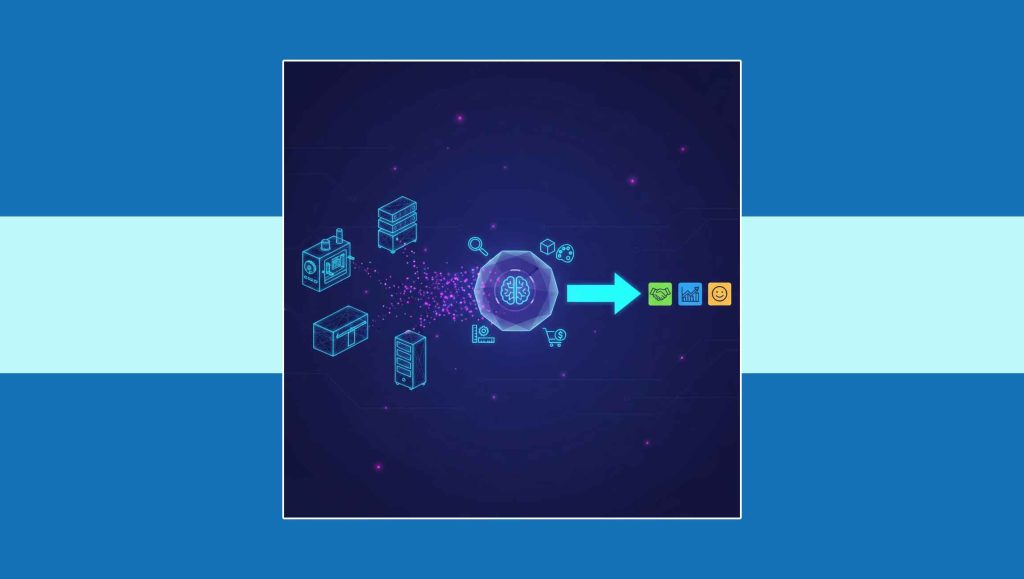
Advanced salestech platforms make composite intent scores by combining data from all of these sources. This gives sales teams a full, 360-degree view of where a prospect is in the buying process. They can prioritize accounts that are ready to buy, tailor their messages to specific interests, and time their outreach for the best results instead of guessing.
From Noise to Clear
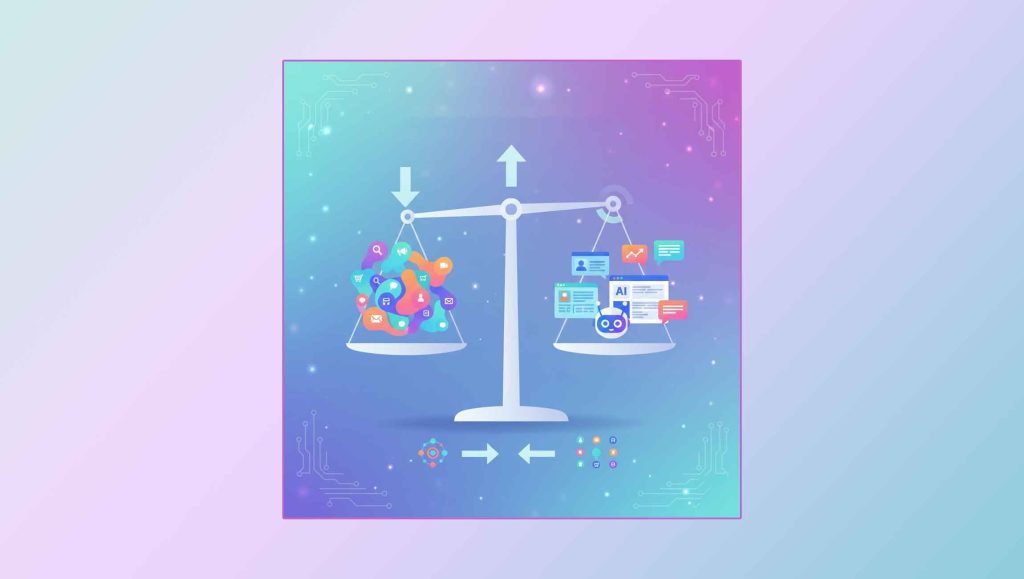
In the digital age, prospects leave behind a lot of signals, but most of them are noise. Predictive listening makes sure that sales teams don’t get lost in all that noise. Companies can find out what people really want with unmatched accuracy by using AI-driven salestech to collect, connect, and put signals from social media, the web, content, email, and events into context.
The result is a big change: salespeople no longer go after cold, unqualified leads; instead, they focus on prospects who are already leaning toward buying. This is the end of blind prospecting and the beginning of smart, signal-driven selling.
Impact on Sales Outcomes
Sales teams don’t win by being persistent anymore; they win by being precise. Modern sales technology is changing the results at every stage of the funnel with predictive listening. The effect is changing the rules of selling, from stronger leads to faster closures.
1. Higher Lead Quality
One of the best things about predictive listening in sales technology is that it makes leads better. In the old way of doing things, sales reps often spent hours chasing cold leads that didn’t seem interested in buying anything. You don’t have to guess anymore with AI-driven insights. Instead, reps are given leads who have already shown interest by visiting a website, interacting with social media, or downloading content.
This change lets sales teams spend more time and energy on the accounts that are most likely to respond, which leads to better conversations and more sales. High-quality leads not only increase the chances of winning, but they also boost morale by making it less frustrating to be turned down over and over.
2. Shorter Sales Cycle
The journey of today’s buyer is faster, more broken up, and more self-directed. A lot of the time, by the time a prospect talks to a salesperson, they have already done a lot of research on their own. Predictive listening with salestech cuts this cycle down by finding signals much sooner. Sales teams can talk to a buyer at just the right time if they are comparing vendors or going back to product pages over and over again.
Early detection means early conversation—and early conversation means fewer delays in moving from awareness to decision. The result is a shorter sales cycle, which means that deals close more quickly. This is good for both buyers who want quick answers and sellers who want steady income.
3. Personalization on a Large Scale
Personalization is now the norm for getting customers to interact with you, but it’s always been hard to do it well on a large scale. This is where salestech’s predictive listening really shines. AI can suggest personalized outreach strategies by keeping an eye on how prospects act on different platforms, like emails, webinars, or social media feeds. Instead of sending out generic pitches, reps can send messages that are very relevant to what a prospect has already looked into or read.
For instance, if a decision-maker has downloaded a white paper on data security, the sales team can talk about how their product meets those standards when they reach out. This mix of timing and relevance makes personalization feel more like real engagement and less like automation, even across thousands of accounts.
4. More visibility into the pipeline
Sales leaders have always found it hard to make accurate predictions. It’s very risky to rely on rep intuition or old CRM data when doing traditional pipeline reviews. Predictive listening in salestech changes this by giving you a real-time view of how likely someone is to buy and how the deal is going. When signals from different touchpoints are combined, leaders can see more clearly which deals are likely to close and which ones are stuck.
This not only makes forecasts more accurate, but it also helps teams decide how to use their resources by focusing on the opportunities that are most likely to lead to sales. Better visibility builds trust throughout the company, which helps leaders make accurate predictions about revenue.
5. From “Spray-and-Pray” to “Surgical Precision”
It’s becoming less and less common to make a lot of cold calls. Modern sales technology has made it possible to use a more precise, data-driven approach instead. Instead of sending the same message to hundreds of unqualified leads, reps can now reach out with pinpoint accuracy. Real intent data guides every call, email, or meeting, making sure that interactions are meaningful and not random.
This means fewer wasted calls and a lot higher conversion rates. It’s not about putting in more effort; it’s about being smarter. Sales teams can work more efficiently and give buyers a better experience by using predictive engagement instead of blind prospecting.
The Bigger Picture
When you look at all of these results together, they show more than just small improvements; they show a big change in how sales are done. Better leads make you more productive. Shorter sales cycles build momentum. Personalization makes relationships stronger.
Less uncertainty comes from better pipeline visibility. And precise outreach changes what it means to be efficient. Predictive listening isn’t just another tool for salespeople; it’s a big change in how they do business. With salestech leading the way, sales teams can go from being reactive chasers of opportunities to proactive shapers of market demand.
Challenges and Ethical Considerations
With modern salestech, companies can listen to, engage with, and turn prospects into customers in ways that were never possible before. Sales teams can figure out what buyers need long before they raise their hands thanks to predictive listening and AI-powered insights. But you have to be responsible when you have that much power.
As companies start to use salestech more, they face problems and ethical questions that they can’t ignore. Leaders need to find a balance between using technology efficiently and building trust with people. This is because they have to deal with the risk of misreading intent signals and crossing privacy lines.
We will look at the most important problems and questions that businesses need to deal with when they want to use predictive listening in sales on a larger scale.
1. The Danger of False Positives
One of the first problems with predictive listening is that it can give false positives. Not every click, download, or like on social media means that someone really wants to buy something. A potential customer might visit a pricing page just to see what it says, look up competitors for schoolwork, or read content without the intention of buying.
Sales teams might waste time going after leads that will never convert if they take these signals too literally. This not only makes things less efficient, but it also risks hurting your credibility when prospects feel “over-targeted” for little interest.
Sales tech promises to find better leads, but accuracy is very important. To cut down on noise and make sure outreach matches real buyer readiness, businesses need to invest in strong data models and multi-signal validation.
2. Signals that are biased and too much trust in digital footprints
Biased digital signals are another worry. Predictive listening often focuses on actions like signing up for a webinar, downloading an eBook, or going back to a product page. But what about buyers who don’t leave a lot of digital traces? For example, senior executives might give research tasks to other people or talk to their peers in person.
If you put too much emphasis on digital data, you might miss out on reaching these important decision-makers. Worse, it can make strategies focus on digitally active people and ignore quieter but just as important stakeholders.
In this case, sales tech leaders need to create systems that combine information from both online and offline sources, making sure that all types of buyers are included. Otherwise, predictive models might unintentionally strengthen narrow patterns and miss big chances to make money.
3. Privacy Boundaries: Balancing Listening and Watching
Privacy might be the most important moral issue. Predictive listening works by keeping an eye on digital activities, such as tracking page visits, looking at email engagement, or figuring out how people interact on social media. These activities are available to the public or agreed to by customers, but there is a fine line between watching and intruding that must be respected.
Trust can go down if prospects feel like they’re being “watched,” even if it’s not directly. Regulatory frameworks like GDPR and CCPA already set strict limits on how data can be collected and used, but customers want more than that. More and more, buyers want to know what data is being collected and how it is used.
To use salestech responsibly, you need to do more than just follow the rules; you also need to communicate ahead of time. Companies need to see predictive listening as a way to make things more relevant and valuable, not as a way to spy on people. Trustworthy brands will have clear opt-in policies and data ethics frameworks, while those that are just looking to make a quick buck will not.
4. Adoption Problems: Getting Sales Teams to Believe AI Insights
Even if the technology works perfectly, people may not want to use it. Salespeople are often doubtful of AI-based suggestions, especially if they don’t match their gut feelings or past experiences. If the rep has already tried to work with that account without success, they may ignore a signal that the prospect is “ready to engage.”
The challenge is twofold: teaching teams how to use predictive listening and making sure they trust the information they get. If people don’t use salestech, the money spent on it may not pay off.
To fix this, companies should add AI signals to workflows that people already know, be open about how recommendations are made, and share success stories that show the system is accurate. Experience builds trust, and when reps see predictive insights lead to real results, they are more likely to adopt them.
5. Finding a balance between being innovative and being responsible
The bigger ethical question is not just about technical problems: how do companies find a balance between being responsible and being innovative? Using salestech to predict what buyers want can give you a huge edge over your competitors, but mistakes like using data wrong, targeting too many people, or ignoring human nuance can hurt you.
At the organizational level, governance is needed to keep this balance. Companies need clear rules about how to use predictive insights, what their privacy commitments are, and how to make sure that AI is used to help people make decisions, not replace them. Businesses can make sure they get the benefits of predictive listening without losing customers’ trust by making sure that ethical standards are present at every stage of deployment.
Hence, modern sales technology that uses predictive listening could change the way people sell. But like any powerful tool, success doesn’t just depend on technology; it also depends on ethics, governance, and human judgment. The problems of false positives, bias, privacy, and adoption show us that AI is not perfect; it is a tool that must be used carefully.
Companies that do well will be those that use predictive insights along with openness, respect for privacy, and cultural acceptance across sales teams. In the end, predictive listening works best when it makes sales more human by adding understanding, empathy, and trust.
What Will Predictive Sales Listening Look Like in the Future?
Sales are changing faster than ever before. Predictive listening is no longer just about tracking clicks, downloads, or digital engagement, as it gets better. The next step is much more dynamic: paying attention not only to what buyers do online, but also to how they sound, how they react in real time, and when they are most likely to buy.
This change is bringing in a time when sales interactions are less about cold calls and more about warm, timely, and meaningful interactions. We will look at the future possibilities that will shape predictive listening in the years to come.
1. Voice-Based Cues in Video Calls
Picture a salesperson talking to a potential customer over video chat. Reps today mostly use their gut feelings to figure out how interested someone is by listening to their tone of voice, pauses, or changes in energy. Tomorrow, AI will make these interpretations more organized and bigger.
Advanced predictive listening will look at voice cues like hesitation, urgency, or excitement during conversations. For instance, a short pause before answering a question about price could mean that the person isn’t sure about their budget. When talking about a certain feature, more energy could show a problem that the product directly fixes.
AI can tell you about key buyer emotions in real time by measuring these small moments. Reps won’t have to guess if a prospect is leaning in or pulling away anymore. The system will give them real-time feedback that will help them come up with answers that keep the conversation going.
This ability adds a new level to sales intelligence: being able to hear not only what prospects say, but also how they say it.
2. Merging with Conversational AI Assistants
Integrating with conversational AI assistants will also be a big step forward. Predictive listening won’t be alone; it will work with AI-powered coaching tools that are built right into calls.
Imagine a sales rep on the phone, and as the conversation goes on, an AI assistant quietly gives them real-time advice:
- Suggesting a case study when the buyer says they are worried about ROI.
- If the buyer seems unsure, the rep should slow down.
- Flagging when a competitor is brought up, along with talking points that are already loaded.
This kind of “real-time copilot” changes predictive listening from just watching to actively helping. Sales teams not only learn what buyers are saying, but they also get instant advice on how to respond.
The combination of predictive listening and conversational AI will lead to more wins and also serve as a way to keep training people. Every call is a chance to coach, improve skills, and get buyers more involved.
3. Beyond Intent to Prediction: Timing the Purchase
In the past, predictive listening was mostly about figuring out who was most likely to buy. The next step is to figure out when they will buy.
Timing is often the last thing that goes wrong in sales. If you reach out too soon, you might annoy potential customers. If you wait too long, your competitors might already have closed the deal. By adding historical buying patterns, seasonality, and other factors like budget cycles to intent data, predictive listening will become a forecasting engine.
For instance:
- AI could see that a prospect’s engagement is similar to patterns seen in past deals that closed within 30 days.
- Or it could mean that people are very excited, but the budget won’t be approved until the next fiscal quarter.
This change gives sales teams not only the names of people who are likely to buy, but also a list of when they should reach out to them. Deals can be predicted more accurately, pipelines can be managed better, and resources can be given to the times when they will have the most effect.
4. From cold calling to warm listening
Redefining the very nature of sales outreach may be the most important change. Cold calling, which is dialing a lot of numbers with little personalization, was a big part of traditional sales. Predictive listening makes “warm listening” possible, where outreach is based on real signs of readiness and interest.
Reps won’t bother buyers with irrelevant pitches; instead, they’ll talk to them at the right time with messages that fit their research, tone, and behavior. Sales will feel less like an interruption and more like a natural part of the buyer’s journey.
This change has effects on culture as well. Sales teams will stop using transactional methods and start using empathetic ones. The salesperson’s job changes from persuading people to aligning them, helping them make decisions that feel right and timely.
5. A New Era of Human-AI Collaboration
All of these improvements suggest that predictive listening will be the glue that holds sales conversations together in the future. Voice-based analysis, real-time coaching, predictions about when to buy, and warm listening strategies are all signs that AI is becoming more integrated into the sales process.
It’s important to remember, though, that the future won’t replace human salespeople; it will make them better. Machines can’t fully copy the empathy, trust-building, and understanding of context that people have. Predictive listening gives reps the tools they need to be at their best in every interaction by giving them scale, accuracy, and insight.
The End: The Road Ahead
The future of sales predictions Listening promises a world where sales is less about guessing and more about knowing. AI will not only be able to understand signals better, but it will also be able to lead conversations in real time, predict when buyers will buy, and come up with engagement strategies based on empathy.
The change is already happening, from cold calling to warm listening. As predictive listening gets better, the companies that embrace it will be the ones who turn every interaction into an opportunity, meeting buyers not only where they are, but also when they are ready.
Conclusion: Listening Is The New Edge In Sales
For a long time, outbound sales were all about the numbers. Reps were taught to make calls faster, send more emails, and knock on more doors in the hopes that their hard work would eventually pay off with more leads. But blind prospecting is no longer possible in a world where buyers are bombarded with noise and competition is stronger than ever. Predictive listening, thanks to new sales technology, has become the new sales advantage. It turns outreach into an opportunity by showing intent signals before a call is even made.
The data is clear: old-fashioned ways of reaching a lot of people waste time, hurt trust, and give less and less value. Today’s buyers are knowledgeable, tech-savvy, and have access to a wealth of information to help them choose vendors on their own terms. Modern salestech platforms help reps figure out when a prospect is really ready to talk instead of bothering them with pitches at the wrong time. Predictive listening makes sure that every touchpoint is purposeful instead of random by looking at things like content downloads, webinar attendance, or voice cues on video calls.
This isn’t just a tactical change; it’s a change in strategy. Companies that stop blindly prospecting and start listening intelligently build credibility faster and see themselves as partners instead of pushy salespeople.
Trust is now the most important thing in sales. People who buy things don’t just want the item; they also want to feel understood. That is exactly what predictive listening does. Salestech solutions let reps customize conversations to what buyers are already looking into and having trouble with by gathering signals from social media, websites, emails, and events.
This level of accuracy not only speeds up the sales process but also improves the quality of the interaction. Instead of spending weeks trying to get leads who aren’t interested, reps can spend their time talking to people who are ready to talk. Every outreach is more personal, every meeting is more useful, and every proposal is more in line with what people really need. The result is that relationships are stronger and revenue grows faster.
In the future, the sales teams that do well will be the ones that learn to listen before they talk. As AI-driven sales technology gets better, it is becoming possible to not only predict who will buy but also when they will buy. This change changes what it means to sell well. It’s not about how many calls or emails you send anymore; it’s about how deep the signals you hear are and how quickly you respond.
Listening changes sales from a game of numbers to a game of trust. And in that game, the people who win are the ones who respect the buyer’s readiness, make sure their outreach matches their intent, and connect with empathy instead of interruption.
There is no more blind prospecting. Predictive listening and the sales technology systems that make it possible will be the next big thing. The companies that accept this future will be seen as trusted advisors and will close more deals with less wasted time.
Sales in the future won’t be measured by how many dials were made, but by how many signals were heard.
Read More: Why The Future Of Salestech Is Plug-and-Play Microservices?