For decades, customer relationship management (CRM) systems have served as the backbone of go-to-market (GTM) strategies. However, today’s GTM leaders are questioning whether their CRM data truly reflects the reality of the market.
With the rise of AI, shifting regulatory landscapes, and increasing workforce mobility, organizations are experiencing constant fluctuations in their internal structures, priorities, and budgets. What was true about a target account last year—or even last quarter—may no longer be relevant today.
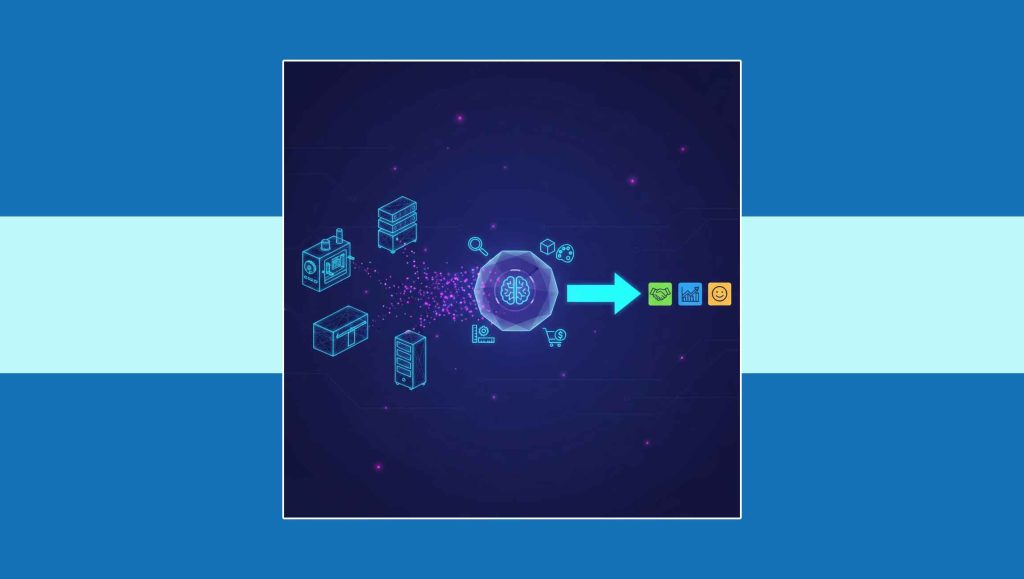
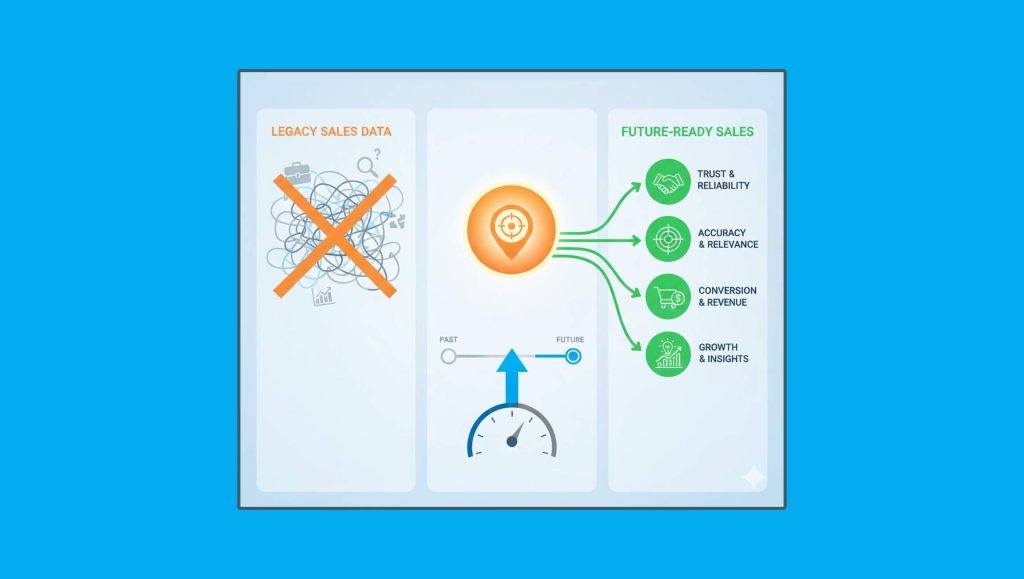
The challenge? CRM systems, despite their importance, often present an outdated and fragmented view of the market. This misalignment can hinder frontline sales and marketing teams, slow revenue growth, and limit expansion opportunities. The solution lies in Go-to-Market Intelligence—an approach that integrates real-time data and buying signals to transform stagnant CRM records into actionable insights for modern growth strategies.
The Pitfalls of Traditional CRM Data
Businesses today evolve too quickly for even the most diligent teams to manually update and validate CRM records. Yet, these same systems are expected to serve as the foundation for sales forecasting, pipeline management, and overall GTM initiatives.
As a result, CRMs frequently contain duplicate records, outdated contacts, and inaccurate firmographic data. This disconnect creates inefficiencies, leading to inaccurate projections, missed sales opportunities, and lost revenue.
Expanding Total Addressable Market
Many sales teams face a fundamental challenge: even the most advanced AI models are ineffective when they rely on outdated or incomplete data. Nearly half of GTM professionals struggle to connect buyer insights across multiple systems, leading to missed revenue opportunities.
Organizations that integrate real-time GTM intelligence into their strategies often see significant growth in their TAM. By leveraging AI on top of accurate data, companies can uncover previously overlooked customer segments and expand into new markets.
Read More: SalesTechStar Interview with David Sudbey, Chief Customer Officer at Dialpad
Example: Unlocking New Market Opportunities
An industry leader suspected it was underestimating its market potential. By analyzing hiring trends, job vacancies, and industry-specific data, GTM intelligence revealed previously untapped sub-industries and geographies.
The result? An expanded TAM worth over $20 billion, enabling more precise customer targeting and improved sales prioritization. Additionally, AI-powered propensity models helped the company identify high-fit accounts that were 80% more likely to convert and three times more likely to close.
Driving Growth Through Upsell and Cross-Sell Strategies
Experienced GTM leaders understand that nurturing existing accounts is often more cost-effective than acquiring new customers. Real-time intent data and hierarchical business intelligence enable teams to identify upsell and cross-sell opportunities as they emerge.
Example: Boosting Sales Efficiency
A cloud storage provider leveraged AI-driven GTM intelligence to create an Account Propensity Scoring system. By analyzing over 70 different buying signals—including technographic data, behavioral insights, and first-party opportunity data—sales teams could predict which accounts were primed for expansion.
Rather than spending time searching for opportunities, sales reps received automated alerts highlighting high-priority accounts. This AI-powered and data-driven approach resulted in an 11% increase in average sales price (ASP) and a 24% improvement in overall account penetration.
Optimizing Territory Planning and Sales Segmentation
Revenue operations (RevOps) leaders face two pressing challenges: expanding sales territories intelligently and ensuring optimal team productivity. Traditional CRM data often lacks the granularity needed to prioritize high-potential accounts effectively.
Example: Streamlining Territory Planning
A national financial institution struggled with inefficient, manual territory planning processes. By integrating real-time hierarchical intelligence, they gained deeper visibility into corporate structures, uncovering relationships between parent companies, subsidiaries, and decision-makers.
With this refined account segmentation strategy, the company reduced its territory planning process from 12 weeks to just three—while also increasing deal velocity by 8%.
The Future of GTM Intelligence
For too long, CRM data quality challenges have held back GTM teams. However, modern GTM intelligence solutions now provide sales and marketing professionals with the dynamic, real-time insights needed to succeed in today’s rapidly evolving marketplace.
Leading organizations are moving beyond static CRM data by integrating AI-powered GTM intelligence into their strategies. This shift enables them to define and refine their ideal customer profiles (ICP), uncover new revenue opportunities, and boost productivity across their go-to-market teams.
For sales and marketing teams looking to future-proof their GTM motion, embracing real-time intelligence is no longer optional—it’s essential.
Read More: Breaking Silos, Boosting Sales: The IT & eCommerce Playbook