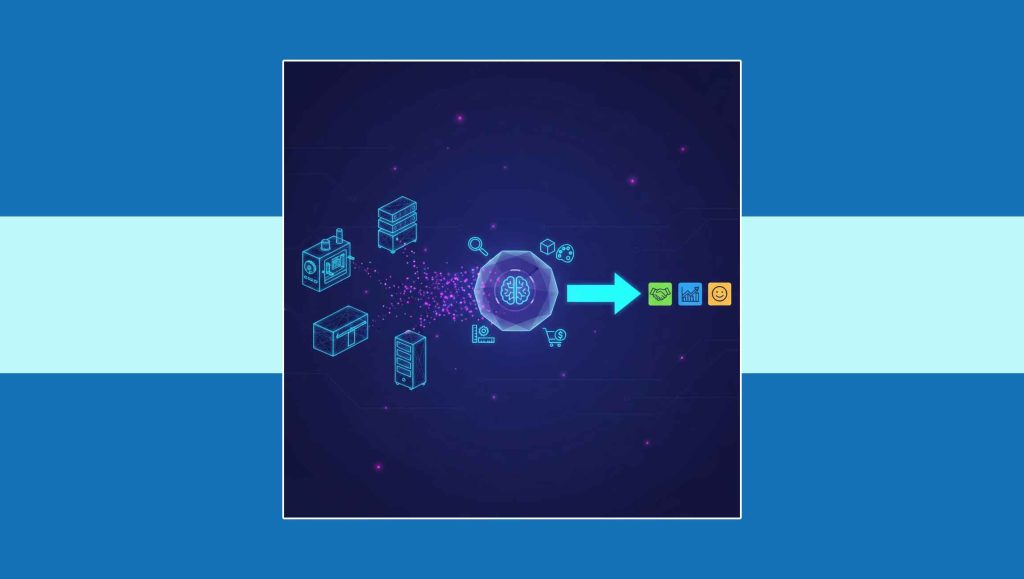

o9, a leading software company that is powering enterprise planning and decisioning models across 30-plus industry verticals with its groundbreaking, AI-powered Digital Brain platform, announced the expansion of its Category Management solution for Grocery Retail. The solution offers next-generation planning capabilities to address growing market demand for more connected, data-driven commercial decision-making.
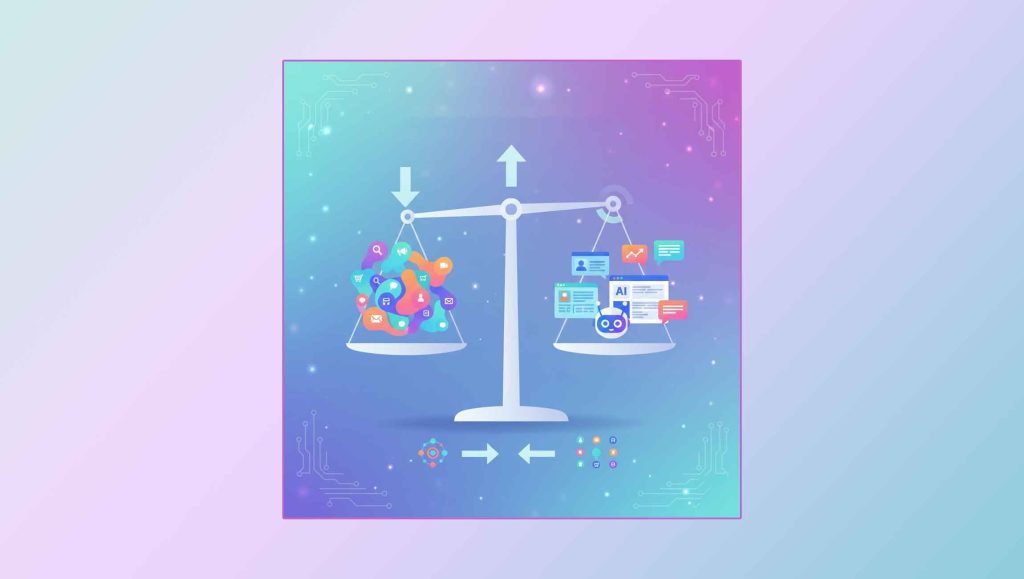
Grocery retailers are navigating shifting consumer expectations, pricing pressures, and increasingly complex assortments while pursuing profitable growth. o9’s Category Management solution for Grocery Retail connects merchandise financial planning, assortment planning, pricing and promotion planning, and vendor negotiations support across a connected set of workflows, and links those decisions with demand and supply planning. This approach enables grocers to evaluate category strategies in the context of financial targets, demand signals, and supply constraints, helping teams understand tradeoffs, align decisions across functions, and shape demand more effectively.
o9 provides grocery retailers with fully integrated advanced analytics and AI capabilities. Every proposed price or assortment change can be evaluated through pre-event simulation and post-event analysis to assess commercial impact. o9’s Agentic AI capabilities further support teams with rapid recommendations to improve category and commercial plans against various business objectives, such as revenue growth or profit maximization. As separate teams work simultaneously on various aspects of the category plan, o9 streamlines collaboration and ensures decisions, insights and assumptions are immediately visible across the organization.
Read More: The Psychology Of Sales Enablement: How Tools Are Designed To Empower And Motivate Sales Reps?
Santiago Garcia-Poveda, Senior Vice President Retail, Distribution, Apparel & Footwear at o9, said, “Grocers want a single platform to help them decide what to sell, where, and at what price, and to understand how those choices affect financial targets and supply execution. Category decisions have historically been made via separate processes, which makes it harder to react quickly or confidently. By connecting commercial levers in one workflow and linking them to demand and supply planning, we enable teams to move faster, make better tradeoffs, and shape demand in ways that support sustainable growth.”
“Category management touches every part of a grocery retailer’s business, from financial planning and assortment design to pricing and in-season adjustments,” said Adam Ben-Yousef, Senior Vice President Revenue Growth Management at o9. “What we are seeing with grocers is a clear shift toward more advanced analytics and AI-driven decision support to manage this complexity at scale. Bringing these decisions into a single analytic environment helps teams see the full picture: the financial impact, the operational implications, and the expected customer outcomes. It allows retailers to commit to category strategies with greater confidence in markets that are changing more often and more quickly.”