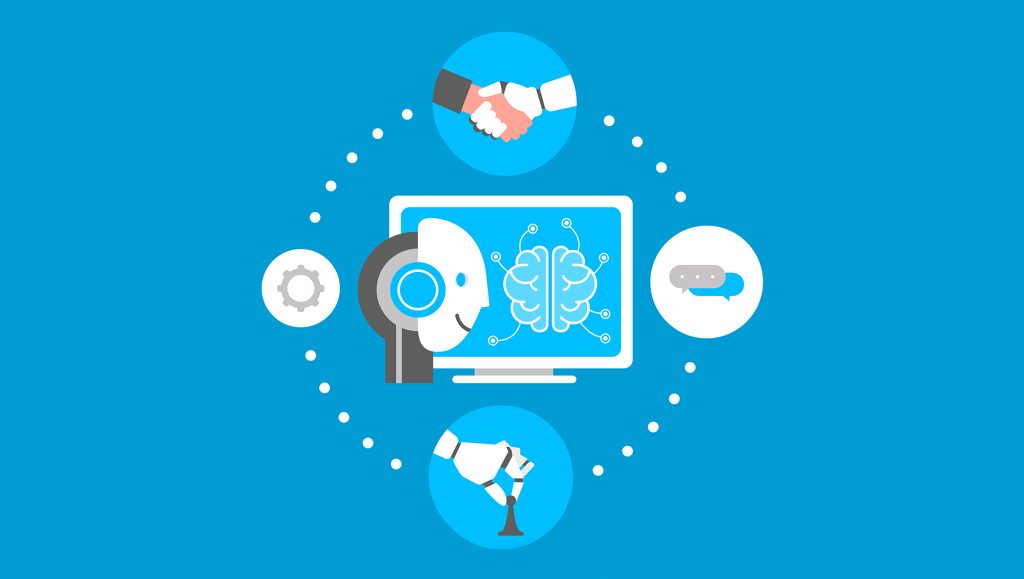

New Q-Flow® capabilities connect conversational AI, enterprise systems and live service teams within a single customer journey
Q-nomy, a leading provider of enterprise customer journey and service orchestration solutions, announced AgentFlow, a new Q‑Flow module designed to connect AI-powered interactions with appointments, customer flow, business processes and human-assisted service.
AgentFlow makes AI operational – connecting service AI agents with the systems, rules and people behind the complete customer journey.
AgentFlow enables organizations to build conversational journeys in which customers can obtain information, schedule appointments and complete other service activities through natural-language chat or voice interactions. These journeys can be powered by Q-nomy’s own AI capabilities or integrated with external AI platforms, including Salesforce Agentforce.
Rather than operating as a separate chatbot, AgentFlow connects AI interactions directly to the organization’s wider service environment. It can use real-time availability, customer and operational data, apply business rules, initiate processes and transfer customers to live service when human assistance is required.
“AI should not become another isolated customer-service channel,” said Nadav Arzoan, CEO of Q‑nomy. “Its real value emerges when it can participate in the complete journey – accessing operational information, taking action and working alongside service teams. AgentFlow brings these elements together within the same orchestration environment.”
Read More: SalesTechStar Interview with Ilyas Kurklu, Co-founder and CEO of Replenit
One journey across AI, digital and human service
Q-nomy’s AI vision is based on the principle that customer journeys will increasingly combine self-service, AI assistance and human expertise. A conversation may begin with an AI agent, continue through appointment scheduling or digital intake and, when necessary, transition to a remote or in-person employee without losing its context.
AgentFlow extends Q-Flow’s existing journey orchestration capabilities, which support scheduling and preparation, intake and check-in, routing and queue management, service delivery, back-office processes and follow-up. This allows organizations to introduce AI within existing operational journeys instead of creating disconnected AI experiences.
Initial AgentFlow capabilities include AI-assisted appointment booking and customer routing. Organizations can define these experiences using Q‑Flow Journey Builder and connect them with calendars, customer records, service rules and other enterprise systems.
AgentFlow also supports chatbot-based journeys that follow predefined flows, giving organizations the flexibility to use generative AI where it adds value while retaining more structured interactions where predictability and control are required.
Read More: You Have Cloned Your Voice. Now Your AI Is Making Cold Calls
An open approach to enterprise AI
AgentFlow is designed to support different AI technologies rather than requiring organizations to adopt a single model or provider. Q‑nomy’s approach includes integration with leading enterprise AI platforms, as well as QLM – the Q‑nomy LLM Server – for organizations that require greater control over deployment, data and AI infrastructure.
This open architecture allows each organization to select the AI environment that best matches its security, regulatory, operational and commercial requirements while using Q‑Flow as the orchestration layer for the complete service journey.
“Organizations should be able to adopt AI at their own pace and according to their own requirements,” added Arzoan. “Our role is to make AI operational – connecting it with the systems, rules and people needed to deliver an effective service outcome.”
AgentFlow forms part of Q-nomy’s broader development of Q-Flow as a platform for orchestrating journeys across physical, digital and AI-assisted channels. Additional AgentFlow capabilities and integrations will be introduced as this vision continues to develop.