
Consumers’ viral shopping habits, rising counterfeits, and shifting regulations put pressure on global supply chain integrity, new research finds
Impinj, Inc., a leading RAIN RFID provider and Internet of Things pioneer, announced findings from its Supply Chain Integrity Outlook 2026 research report, highlighting growing tension between escalating consumer expectations and the ability of global supply chains to keep pace. Based on a survey of 1,000 US consumers and 750 US supply chain leaders, the report reveals:
These findings show how essential it is to build resilient, transparent and data-driven supply chains. RAIN RFID can help organizations gain the visibility and intelligence they need to sustain growth and effectively respond to evolving market pressures.
- Increased demand for more convenient pickup and delivery: More than half (56%) of supply chain leaders say they face increasing pressure to provide faster, more flexible delivery and pickup options, while 51% of consumers say they’re likely to stop buying from brands that don’t offer convenient choices.
- Viral commerce drives demand volatility: Social media and influencer trends drove 42% of purchases this year, creating unpredictable spikes in demand. Half of supply chain leaders struggle to keep up, and 52% say rapid demand shifts are the biggest threat to supply chain integrity – up nearly 30 points from last year.
- Food supply chains struggle with safety, compliance and waste: 59% of food supply chain leaders are worried about meeting FDA traceability requirements, over one-third expect to miss the deadline, and food brands lose an average of $79 million annually to food waste—all while predominantly relying on manual tracking systems.
Tariff tensions highlight disconnect between affordability and reality for consumers
Concerns around tariffs and trade shifts are introducing even more uncertainty, amid the threat of consumer backlash further impacting demand. Eighty-four percent of supply chain leaders say changing foreign trade policies are affecting their planning, leading to sourcing adjustments (54%) and increased prices for customers (53%). However, consumer tolerance for these cost increases is limited, with more than half (56%) saying they would stop buying a product if tariff-related costs were passed onto them. This tension further highlights the widening gap between global supply chain realities and consumer expectations for product affordability and availability.
DPP compliance, counterfeits, and fraud test brand integrity for retailers and retail manufacturers and suppliers
The research reveals retailers and retail goods suppliers are also contending with rising operational threats, such as looming deadlines for Digital Product Passport (DPP) compliance and minimizing the risks of counterfeit goods and fraudulent shipping. Nearly two-thirds (65%) of retail and retail goods supply chain leaders express concern about their ability to meet the EU’s DPP requirements, and nearly one-third (29%) don’t expect to meet the deadline.
Counterfeit products also remain a growing issue. Seventy-eight percent of retailers and retail goods suppliers say it’s a challenge to stop unauthorized or fake versions of their products from reaching the market, and 71% report damage to brand reputation or revenue as a result. Consumers have low tolerance – 58% say they would stop buying a brand that unknowingly sold them a counterfeit product.
Meanwhile, fraudulent shipping is on the rise. Seventy-six percent of retailers and retail goods suppliers report an increase in fraudulent shipping incidents, mirroring the 38% of consumers who say they’ve been victims themselves, including receiving the wrong item or never getting a package that was marked as delivered. Six in ten consumers (60%) say one fraudulent shipping experience would cause them to abandon a brand altogether.
Read More: The Psychology Of Sales Enablement: How Tools Are Designed To Empower And Motivate Sales Reps?
Food sector leaders face parallel pressure on safety, compliance, and waste
Supply chain leaders in the food, grocery, and restaurant sector are also navigating a complex mix of regulatory deadlines amid pressure to improve food safety and reduce food waste. Nearly six in ten (59%) are concerned about meeting the FDA’s upcoming Food Traceability Rule (set to go into effect July 20, 2028), and over a third (36%) say they won’t make the extended deadline.
As a result of the challenges around establishing effective traceability across their supply chain, 58% have experienced issues with food recalls impacting brand reputation or revenue in the past year. While 90% express confidence in their organization’s ability to quickly trace and remove recalled products, 70% still rely on manual spreadsheets or logs – revealing a significant gap between perception and preparedness. At the same time, the food sector continues to face significant challenges reducing waste, with 75% citing it as a major challenge, estimating an average annual loss of $79 million per organization through food waste and spoilage.
“Food and grocery leaders are navigating multiple challenges at once – rising food waste, food safety issues and looming FDA compliance deadlines,” said George Dyche, Vice President of Endpoint IC Product Management at Impinj. “Leaders say they feel confident in their recall capabilities, but with manual processes still the norm, there’s a widening gap between confidence and reality – and that’s where real risk lives. Item-level visibility is the bridge to close that gap, empowering brands to protect consumers, meet compliance requirements, and turn transparency into a competitive advantage.”
AI tops investment priorities, but data quality remains a challenge
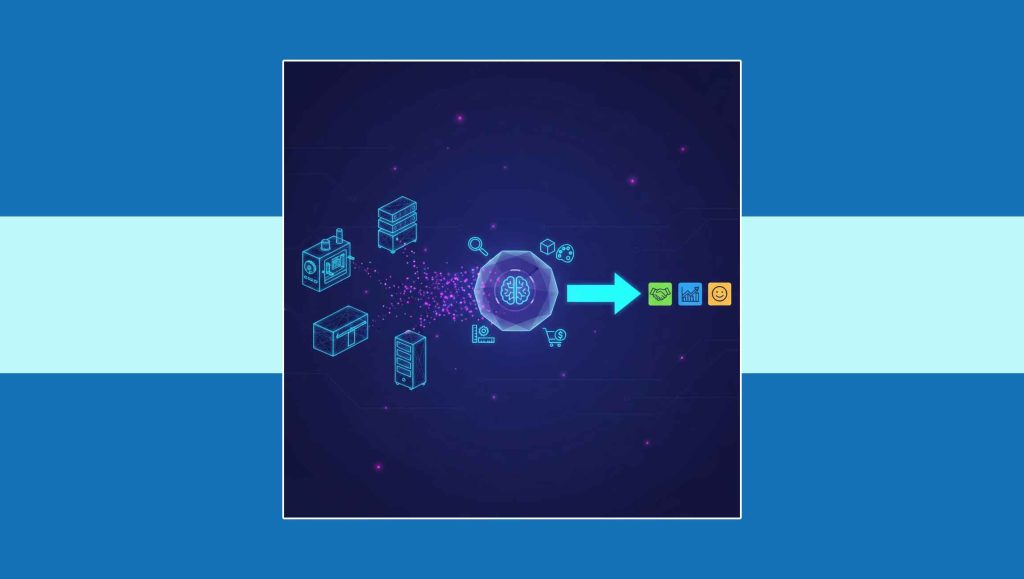
As these pressures mount, supply chain leaders across sectors recognize the need for real-time visibility and actionable data to keep operations resilient, responsive, and efficient. Such data are quickly becoming the foundation for effective AI and automation across the supply chain, a key area of investment for supply chain leaders in 2026. Two-thirds of supply chain leaders (68%) plan to invest in new AI and automation technologies in the next year. However, issues around data quality threaten to stand in the way of maximizing the effectiveness of those investments. Over half (51%) cite data accuracy as their biggest barrier to effective AI, and 41% point to lack of data availability.
Currently, only 42% report real-time supply chain visibility capabilities, and just 46% report having full item-level traceability in place. Yet without a strong data foundation, many organizations risk building advanced AI systems on incomplete or unreliable data.
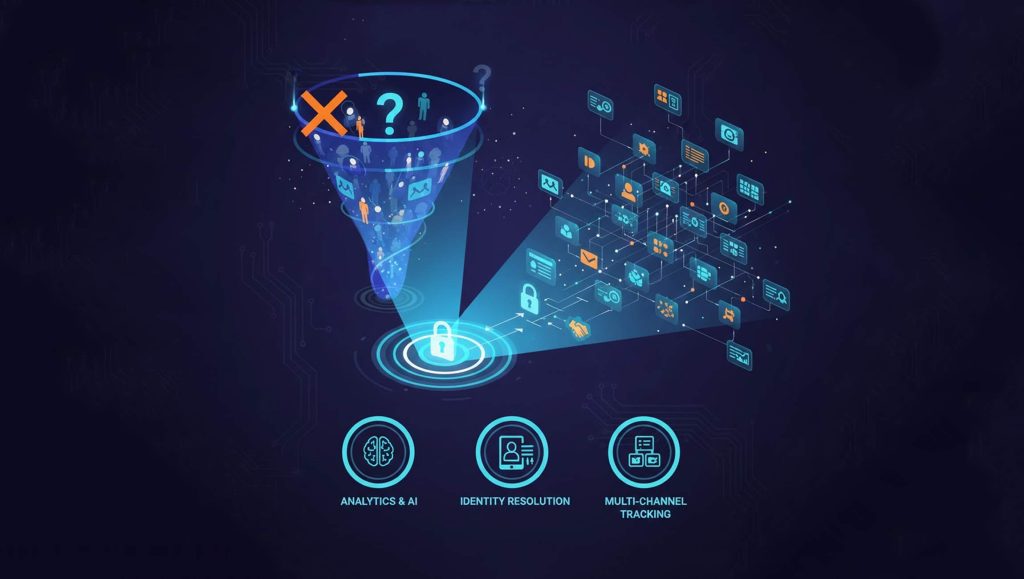
“Supply-chain leaders are doubling down on AI and automation to build predictive models that tame operational complexity. But even the most advanced models are only as intelligent as the data they’re trained on,” said Gagan Luthra, VP of Product Management at Impinj. “Reliable, item-level data is the foundation for effective AI. RAIN RFID delivers that item-level data, and the earlier you tag and identify items in the supply chain, the more complete your dataset becomes – and the smarter and more accurate your decisions are. Increasingly, true supply chain visibility will come from building the data infrastructure that underpins AI and automated systems. Technologies like RAIN RFID that allow item-level product identification will be a critical underpinning layer.”
The findings from the Supply Chain Integrity Outlook 2026 show how essential it is to build resilient, transparent and data-driven supply chains in order to meet consumer expectations, regulatory requirements, and operational challenges. RAIN RFID layered with AI-driven systems and processes can help organizations gain the visibility and intelligence they need to sustain growth and effectively respond to evolving market pressures.