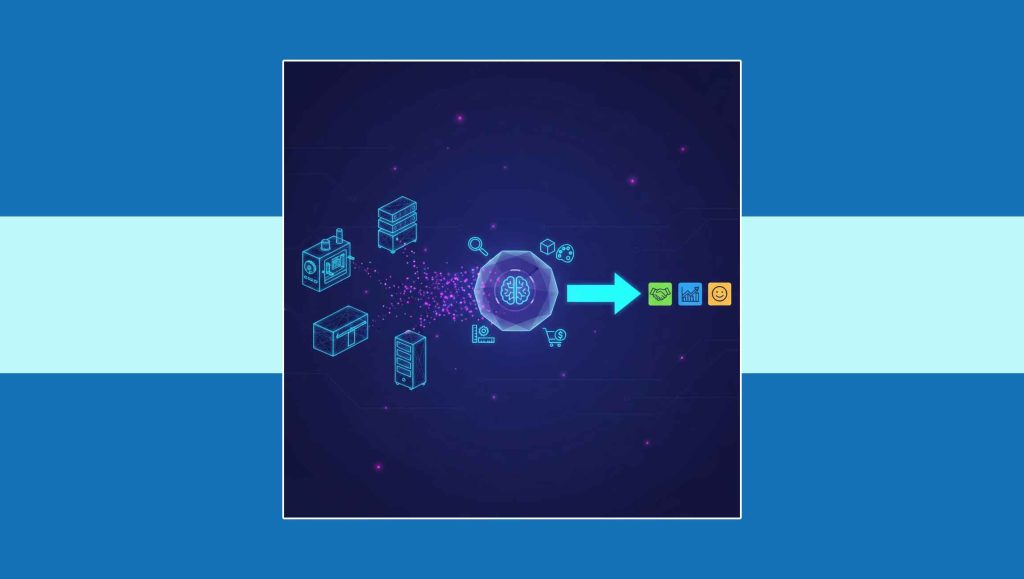
Enhanced Invoice Intelligence features connect contracts, voyage execution, financial validation, and voyage event data across inland marine logistics
OpenTug announced expanded capabilities within its Invoice Intelligence module, introducing cost reconciliation functionality that automatically compares invoiced expenses against costs estimated by BargeOS, based on live operational data. The release further advances the solution as an end-to-end voyage management platform, connecting contracts, operational execution, and financial validation within a single system.
BargeOS Invoice Intelligence enables shippers and operators to see how invoices align with the actual activities that occurred during a voyage, from arrival and loading events to idle time and demurrage exposure. The capability represents a key step in OpenTug’s broader vision of delivering a fully connected system that manages the lifecycle of a voyage from contract through execution to financial reconciliation.
Read More: SalesTechStar Interview with Travis Rehl, CTO and Head of Product at Innovative Solutions
“Inland marine logistics has long operated on disconnected systems,” said Jason Aristides, CEO of OpenTug. “Voyage data lives in one place, contracts in another, and invoices are validated manually months later. We built Invoice Intelligence to connect those layers so execution and financial outcomes are tied together in real time.”
For many logistics teams, invoice reconciliation remains a manual, spreadsheet-driven process. Back-office teams frequently re-calculate freight rates and demurrage by hand, often without structured visibility into voyage events or contract clauses.
OpenTug’s expanded Invoice Intelligence framework addresses these challenges by embedding financial logic directly into voyage execution. As events are logged and voyages progress, BargeOS maps operational data against contract terms forecasting expected freight, demurrage, and related charges before invoices are received.
This real-time cost modeling enables teams to identify exposure earlier, accelerate invoice validation, and reduce disputes between shippers and carriers.
A key component of the enhancement is live demurrage visibility. By structuring arrival, loading, and departure events at the source, BargeOS calculates free time usage and projected demurrage as it accrues. Operators can make preventative decisions during the voyage rather than discovering costs after completion.
The update also strengthens the platform’s ability to validate third-party charges and invoices, including fleeting, shifting, and fuel-related costs, which have grown in prevalence as commercial terms evolve.
Read More: Why Pipeline-Driven Sales Will Dominate and Become the New Era of Sales Efficiencies
With these enhancements, BargeOS now spans the full voyage lifecycle:
- Commercial Planning and Contract Management
- Voyage Management and Tracking
- Invoice Intelligence
- Performance Management
By integrating operational and financial workflows, OpenTug positions BargeOS as a digital operating system for marine logistics supporting not only cargo movement, but the financial infrastructure behind it.
“As the industry becomes more data-driven, shippers and operators need systems that reflect how voyages actually translate into dollars,” added Jason Aristides. “This expansion ensures that every voyage event feeds directly into financial clarity.”