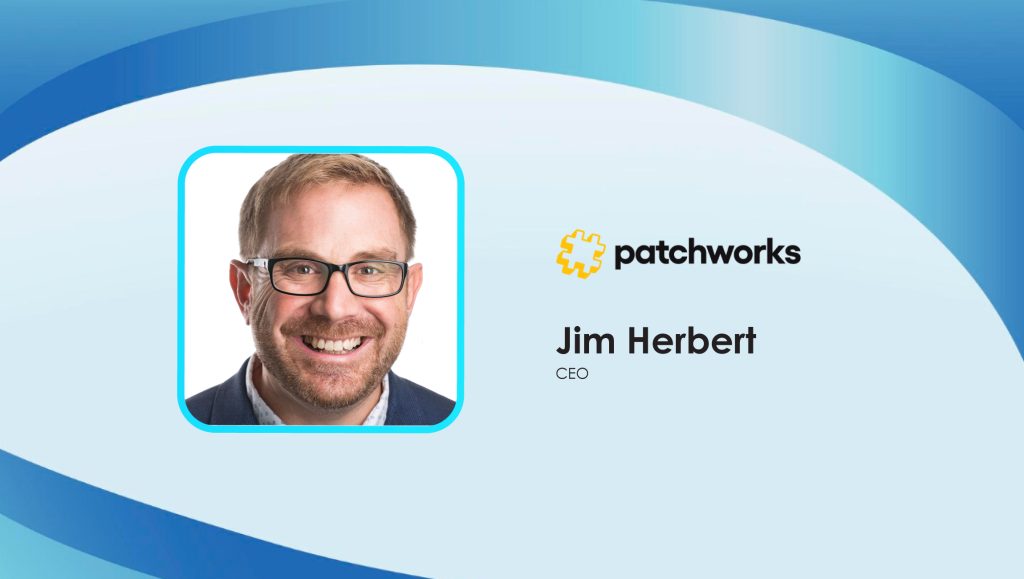
Retailers are still opening up to the benefits of AI powered retail assistants, Jim Herbert, CEO at Patchworks shares more about this evolving technology and how it could potentially change the face of global retail purchase cycles in this SalesTechStar interview:
__________
Hi Jim, take us through your journey in tech so far…
My journey into tech started early. I began programming at eight years old after my father brought home a Sinclair ZX Spectrum, and I quickly became fascinated with how systems communicate and work together. That curiosity led me to study computer science and work on integration projects at IBM, Cambridge Technology Partners and KPMG, where I helped connect complex systems in retail, CPG, financial and defense environments.
Over the past two decades, integration has been the common thread in my career. From building early ecommerce platforms to connecting trading systems and helping launch euro-ready banking infrastructure, I’ve seen firsthand how critical data connectivity is to business success. Later, running an ecommerce systems integrator exposed me to the repeated challenge of rebuilding integrations for every client. That experience ultimately shaped my focus on scalable integration platforms that remove friction and allow businesses to evolve faster.
We’d love to hear about Patchworks and what inspired the platform?
Patchworks was inspired by a simple but persistent problem: integration is often the slowest and most expensive part of digital transformation. While launching a storefront or adopting new tools has become faster, connecting systems reliably remains complex.
The idea behind the platform is to provide a central integration layer that makes it easier to connect commerce, logistics, finance, and customer systems. Instead of rebuilding integrations repeatedly, teams can reuse patterns, automate data flows, and adapt quickly as their tech stack evolves. The goal is not just speed to launch, but long-term maintainability and flexibility as businesses grow and markets change.
Read More: SalesTechStar Interview with Travis Rehl, CTO and Head of Product at Innovative Solutions
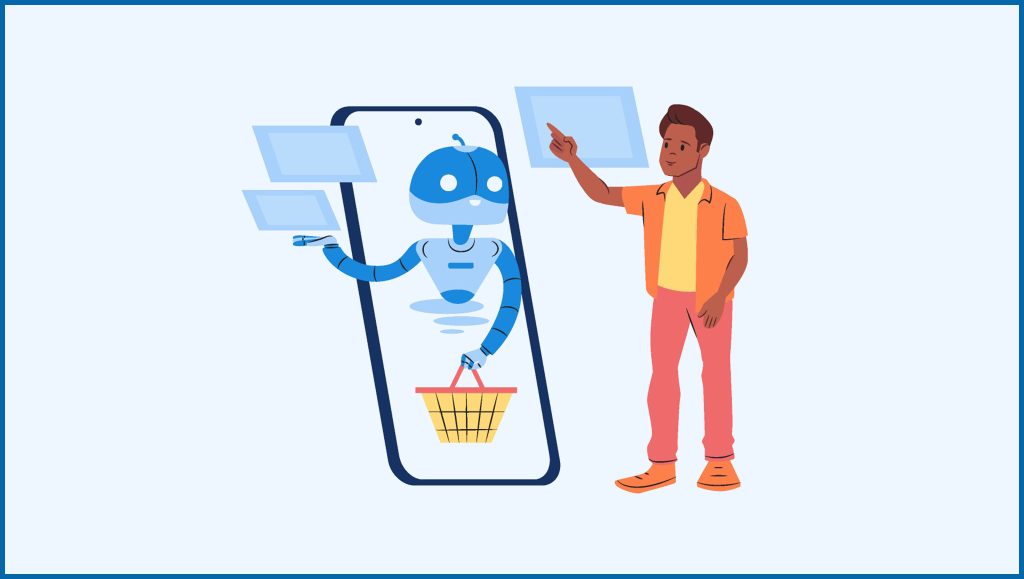
How is AI driven retail picking up pace in today’s global market, and how are leading retailers using AI to power workflows and customer experiences?
AI adoption in retail is accelerating globally, driven by the need for real-time decision-making and operational efficiency. Retailers are using AI to forecast demand, personalize recommendations, optimize pricing, and automate customer service interactions.
What is becoming clear is that AI’s effectiveness depends heavily on data quality and connectivity. AI systems require structured, reliable data from across the business to deliver meaningful outcomes. When inventory, customer, and order data are fragmented, AI insights become unreliable. Conversely, retailers with unified data pipelines can deliver personalized product recommendations at scale, optimize inventory allocation across channels, predict demand fluctuations, and automate routine service interactions. In many cases, the competitive advantage is not the AI model itself, but the ability to feed it accurate, timely data.
What are some of the top benefits of using AI powered retail assistants that retailers aren’t yet optimizing or accepting fully?
Many retailers focus on AI assistants for customer-facing chat, but the greatest untapped value lies in operational use cases. AI assistants can streamline internal workflows by surfacing insights and automating repetitive tasks.
Retailers often overlook how these assistants can support operational decision making by highlighting supply chain risks or pricing anomalies before they impact revenue. They can automate routine actions such as reordering stock or flagging fulfillment delays, and they make data more accessible by allowing non-technical teams to query systems using natural language. They are also effective at identifying outliers in orders, returns, or fraud patterns that humans might miss. These capabilities remain underused largely because data remains siloed or inconsistent, limiting AI’s effectiveness.
What top skills are commanding the market for teams to be able to deploy and integrate tools like these seamlessly?
As AI and automation become central to retail operations, the most valuable skills are shifting toward integration literacy, AI native features and data fluency rather than pure coding expertise.
Using tools that have AI native features like open APIs and MCP servers, teams can configure, build and maintain integrations between systems using the infrastructure features inherent in integration technologies. It’s important to have a human-in-the-loop of course, and sometimes it’s easier to “just make a tweak” so low-code orchestration skills are increasingly important because they allow teams to configure workflows without heavy development overhead. AI literacy is also essential so teams can identify where automation adds value and where human oversight is required. Finally, change management skills are critical to help organizations adopt new tools and workflows successfully.
A few thoughts on the future plans you have for Patchworks
Our focus is on making integration more autonomous for the human audience and the agentic audience, treating people and agents as different audiences. This ensures that integrations are resilient and accessible, secure and scalable. That includes expanding automation capabilities, enabling smarter data mapping, and supporting emerging AI-driven workflows.
We are also seeing growing demand for integration layers that help businesses adapt quickly to new markets, marketplaces, and regulatory environments. The future lies in giving organizations the flexibility to evolve their tech stack without disrupting operations.
Five thoughts you’d leave our readers with before we wrap up
- AI is only as good as the data behind it, and unified, reliable data is the foundation of meaningful outcomes.
- Integration should be treated as a strategic capability because it determines how quickly a business can adapt to change.
- Operational AI will deliver the greatest impact by improving efficiency and decision making behind the scenes.
- Low-code tools are democratizing innovation by enabling more teams to build and adapt workflows.
- Resilience comes from flexibility, and businesses that can evolve their systems quickly will outperform those locked into rigid architectures.
Read More: Why Pipeline-Driven Sales Will Dominate and Become the New Era of Sales Efficiencies
About Patchworks
 Patchworks’ no-code/low-code iPaaS provides the tools you need to take control of your data.
About Jim
Jim Herbert, is CEO at Patchworks