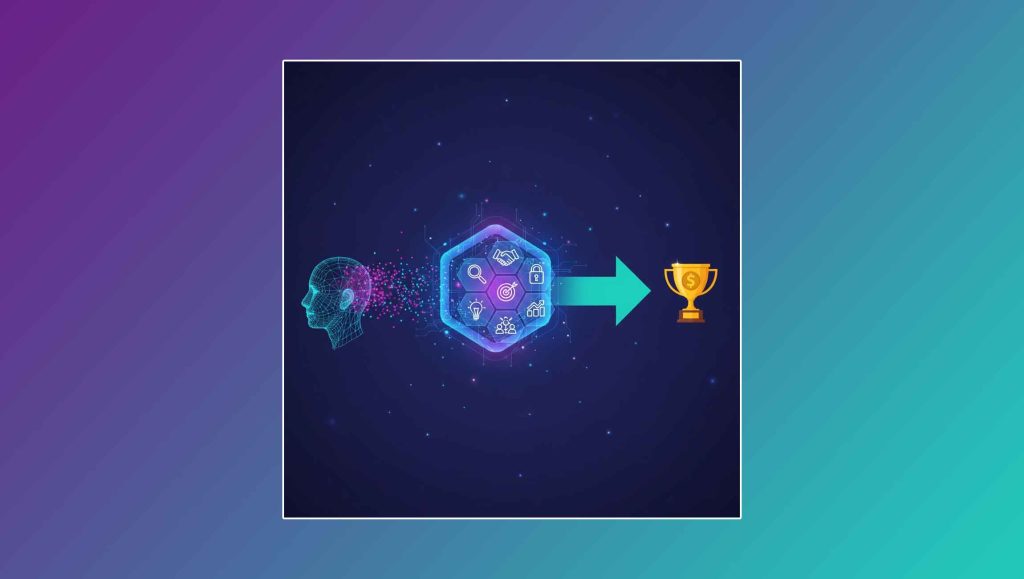
Customer loyalty is what drives real revenue. It’s when customers choose you time and time again, and expand and renew over time, that you know you’ve created a genuinely positive customer experience (CX).
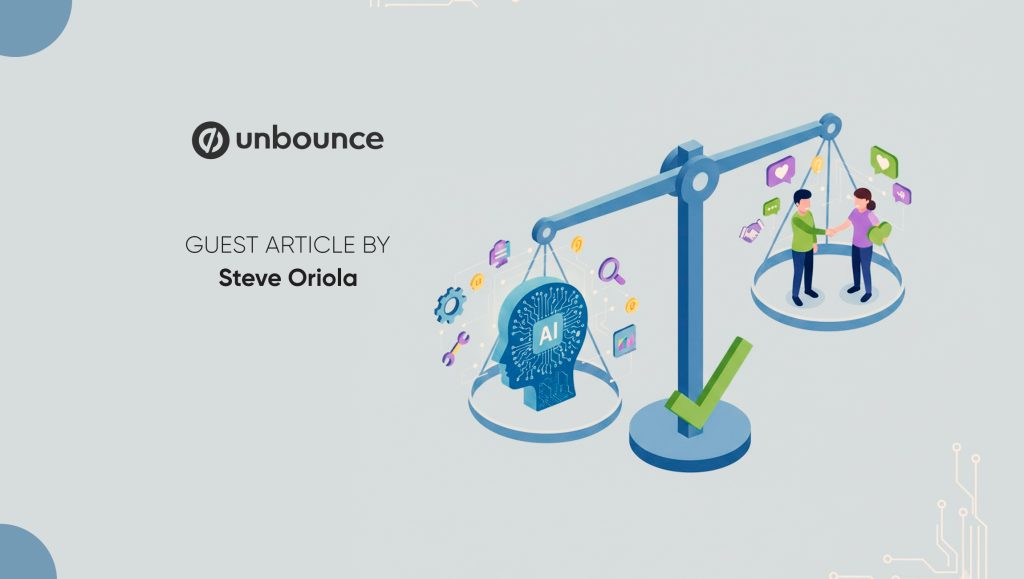
While I fully believe that real loyalty is created with human-to-human connection, we can’t deny the speed gained with artificial intelligence (AI). In an era where AI powers everything from chatbots to predictive analytics, the future of customer experience depends not on choosing between technology and humanity but on harmonizing the two.
The Promise and Peril of AI in Customer Experience
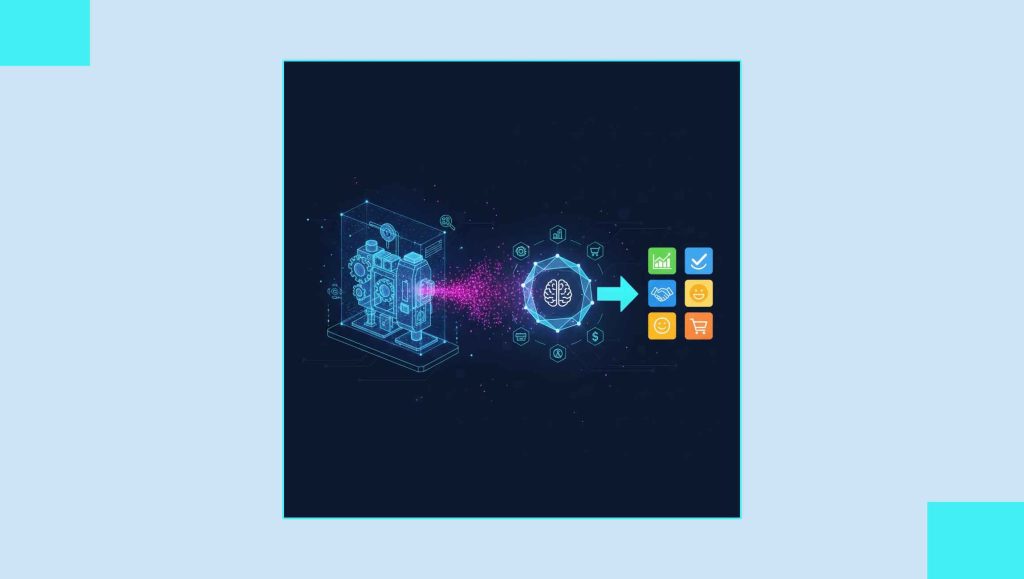
AI has revolutionized how organizations understand and engage with customers. Modern customer relationship management (CRM) systems with AI features built in can analyze vast amounts of behavioural data to anticipate needs, summarize volumes of information, and deliver hyper-personalized messaging with ease. Automation can also reduce or eliminate friction, helping companies respond instantly and deliver customer satisfaction on simple requests at amazing speed.
However, this efficiency can become a double-edged sword. While it’s great to have your needs met quickly with standard responses and quick fixes, more intricate issues still require human interaction. Automated responses can lack nuance; algorithms may misinterpret emotion or context. Over-automated businesses can lose the empathy that drives long-term loyalty.
With more than a decade on the frontline of CRM innovation, I can tell you firsthand that technology works best when it is used to amplify human understanding, not replace it. The key is designing systems and workflows where AI supports human empathy rather than competes with it.
While AI enables real-time personalization, faster response times, and smarter automation, customers continue to crave authentic connection. A 2025 Zurich study found that 73% of consumers avoid businesses that don’t show empathy, underscoring that emotional intelligence remains a powerful differentiator even in a digital-first world.
Leveraging AI-Powered CRM Tools Without Losing Trust
The next generation of CRM isn’t just about data management — it’s about business and market intelligence at scale. AI can enhance the sales process when used thoughtfully. For instance:
- Predictive insights can supercharge revenue. AI tools can identify prospects with the best likelihood of closing, allowing sales reps to prioritize their accounts.
- Sentiment analysis and content summaries for on-target communications. Natural language processing helps teams understand mood or intent from messages, and to draft responses that are detailed and aligned with a prospect’s needs.
- Alerts to data about customer health. AI is looking at data that may be complex to humans, and summarizing it in a way that draws attention to customer and prospect health indicators. Queries like “Which contacts have gone inactive in the last 60 days?” or “Which customers show signs of churn based on low CSAT or activity?” can help your team provide better customer service.
But trust hinges on transparency. Companies must clearly communicate when AI is being used and ensure customers can easily escalate to a human when needed. Be genuine – the goal isn’t to mask automation, it’s to make it seamlessly supportive of human-led engagement.
Designing Workflows Where Automation Complements Human Touch
It’s easy to remember that automation excels at routine, repetitive tasks — the drudgery of our work. Tasks like setting a reminder to follow-up with a prospect, summarizing a long thread of emails, or moving a deal through pipeline stages are ideal for AI and automation. On the other hand, your team shines in moments that require human qualities like understanding, judgment, and empathy. An efficient and effective CX team will leverage this combination and gain strength by including both.
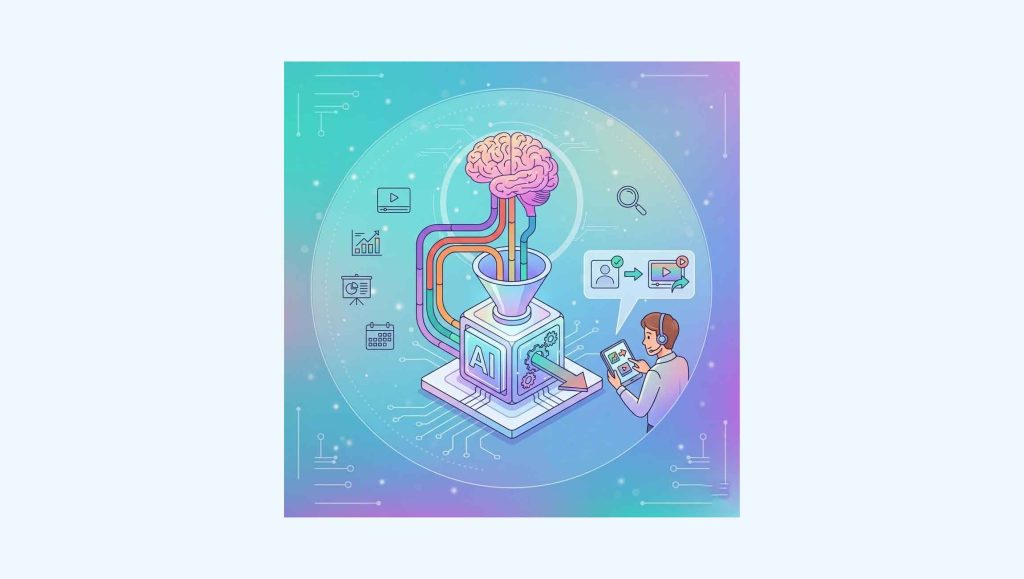
For example, AI-powered chatbots can triage inquiries and gather context before routing complex issues to human agents. This not only reduces wait times but also gives agents more emotional bandwidth to focus on meaningful conversations. Similarly, in sales, automation can handle data entry and lead scoring while freeing professionals to nurture relationships and craft personalized pitches.
The principle is simple: remove the work that your people aren’t needed for and let them focus better on the work that requires their human touch. Designing CX workflows around this mantra ensures that AI is a valued contributor, not a replacement.
The training aspect involved in implementing AI can’t be overstated. Introducing AI features to internal teams and guiding them on the best practices is vital. It is especially crucial for leaders to both explain and show how AI will surface data and information that was once buried, and allow team members to focus on the work that really matters.
Technology with a Human Heart
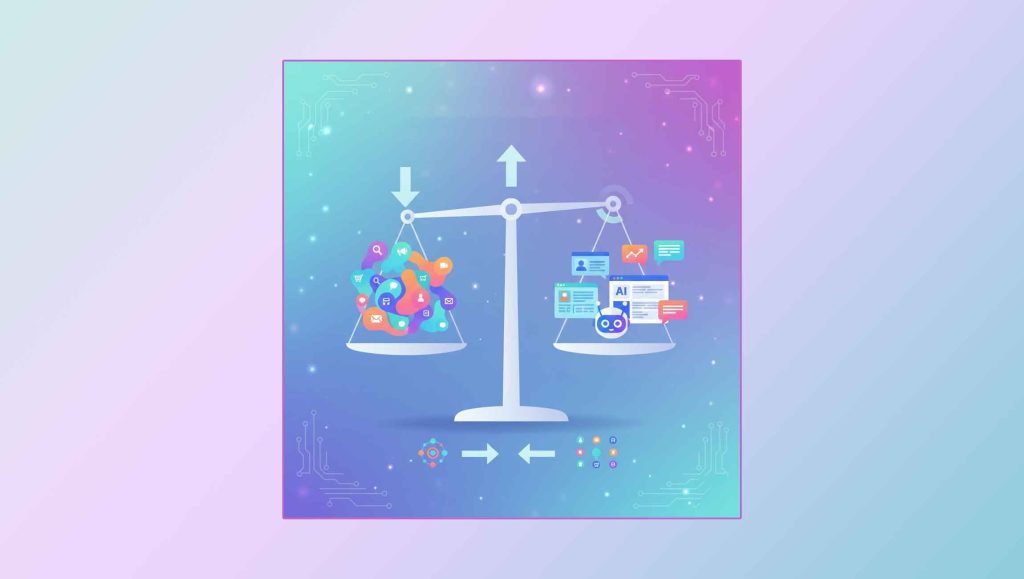
The challenge for leaders at all levels is to balance technology and empathy; it’s data with warmth and understanding. AI will continue to accelerate efficiency and remove drudgery from human work, but empathy must remain at the forefront. It’s just as important to decide what to automate as it is to select processes that a business will not automate. There will always be interactions that require a human touch.
AI can make you faster, but empathy makes you unforgettable. The companies that remember this will build loyal customer bases that drive real revenue and long-lasting growth.