Retailers are still feeling the impact of recent tariff actions – and there may be more price hikes ahead. That makes supply chain costs tough to forecast, and many brands are rethinking their pricing models to safeguard margins.
Reverse logistics is one area where you can control costs, so savvy retailers are embracing new models to recapture lost revenue there.
One strategy? Consumer-paid return models, where shoppers pay a small fee upfront to secure free returns later – helping brands offset, or even eliminate, return-related costs.
The pivot to consumer-paid returns
During the pandemic-era ecommerce boom, most brands defaulted to covering the costs of return fees to stay competitive.
That gets expensive fast: In some industries, up to 30 percent of products are returned, and reverse logistics costs can eat up 66 percent of the item’s original purchase price. With ecommerce operational expenses on the rise, covering the costs of return shipping is no longer economically sustainable – but luckily, shoppers have adapted to the shift.
Having worked with thousands of brands on their returns operations, we’ve seen the changes firsthand. The number of Loop merchants charging return fees is up by 47 percent since the start of 2020, representing 63 percent of our customer base.
I get it, change is scary – especially when you’re worried about alienating your longtime customers. But fear not: Our data shows that the impact of adding return shipping fees had no impact on customer retention. In fact, 70 percent of shoppers say that a premium and convenient returns experience is worth paying for.
So, how does a consumer-paid returns model deliver on the premier customer experience that shoppers are expecting – while helping brands build a financial buffer to cover the rising costs of returns?
Read More: SalesStarTechStar Interview with Arnaud Lagarde, VP of Sales at ABBYY
How to build a sustainable returns model
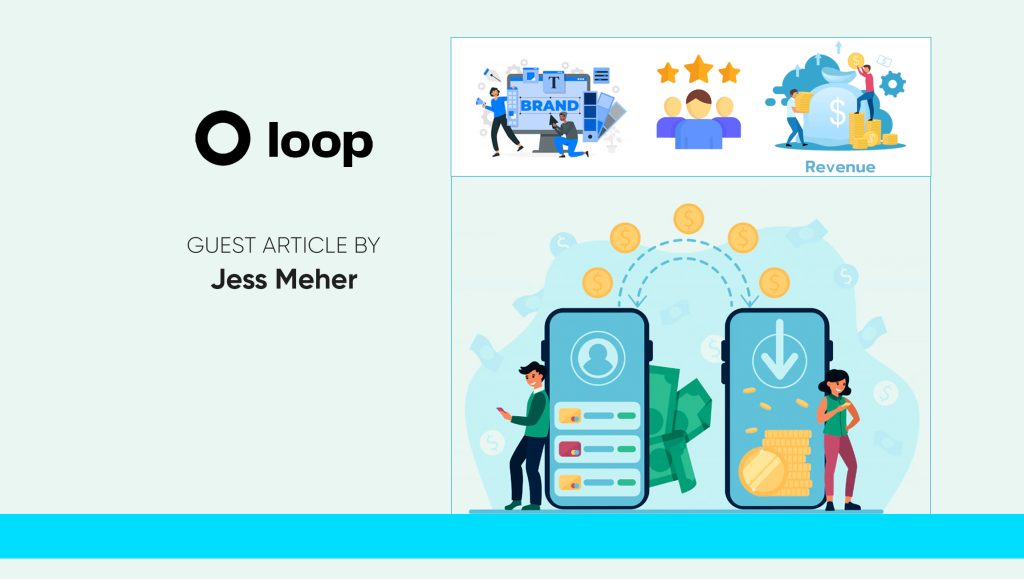
With consumer-paid returns, you can convert your returns operations from a cost center into a strategic advantage that helps you grow revenue from your returns. This is where models like offset returns come in.
Say you’re buying a new winter coat: In our checkout process, you’ll be asked whether you want to pay a $1.98 surcharge now for access to a free return later if you need it. (Essentially, you’re paying for peace of mind.) Otherwise, you’ll be charged a $10 return shipping fee in the event that you want to make a return.
Turns out, 70 percent of customers choose to pay return fees at checkout, but only roughly 20 percent actually make a return. That means retailers can not only cover the costs of return shipping, but increase their profit margin with excess revenue.
While many returns management platforms keep the extra consumer-paid returns revenue to boost their own profit margins, there are a very select few that empower brands to take control of this upsell revenue. Merchants can use it to cover software costs and return shipping fees, and still have additional revenue to mitigate the lost profits from product returns. Unlocking this valuable revenue stream helps both increase top-line revenue and dramatically reduce operating expenses.
The upside of consumer-paid returns
Shifting to a consumer-paid returns model can help you recapture lost revenue from returns – without negatively impacting the customer experience. Plus, it has a lot of other benefits.
Curb returns policy abuse
Charging a fee for returns makes customers more likely to choose only products that they plan to keep.
To set the stage, close to 40 percent of shoppers said that they or someone they knew had engaged in returns fraud or abuse within the prior 12 months. Bracketing, or purchasing multiple items with the intention of sending most all of them back, was one of the most common tactics.
That said, 37 percent of those shoppers said that they’d stop abusing return policies if they knew they’d have to pay to make a return. By introducing friction into the returns process with a small returns fee, you’ll be able to curb bracketing and other forms of policy abuse – while delivering a streamlined and consistent returns experience that will keep your shoppers coming back.
Avoid raising prices
New tariffs, rising shipping costs, and other operational expenses are making it more expensive to run an ecommerce business. The cost of USPS Parcel Select shipping, for instance, jumped by more than 9 percent between 2024 and 2025.
Rather than rising prices across the board and risk losing valuable customers, shifting to consumer-paid returns helps build up a cash cushion to curb the impact of other rising costs. By recapturing this lost revenue, brands will be able to offset the cost of return shipping and restocking, helping maintain healthy profit margins without forcing consumers to pay inflated prices for products.
Encourage more sustainable return options
Many brands are moving toward omnichannel returns, with consumer-paid return shipping as just one of numerous ways to return products. Giving shoppers optionality encourages them to choose more sustainable (and free) methods for returning their unwanted items.
This might include returning the product to a nearby retail store or bringing the unboxed item to a drop-off center where it can be consolidated for a bulk return shipment. Charging a return shipping fee on mail-in returns will nudge them towards return methods with a lower price tag and a lower carbon footprint.
As tariffs, rising shipping fees, and other operational costs keep cutting into your bottom line, consumer-paid returns offer a reliable model for capturing more revenue from retailers’ reverse logistics process. By building a premium returns experience with predictable and transparent costs for customers, they’ll be able to grow trust in their brand and boost customer loyalty rates – ensuring sustainable growth that will drive brands through these tumultuous times.