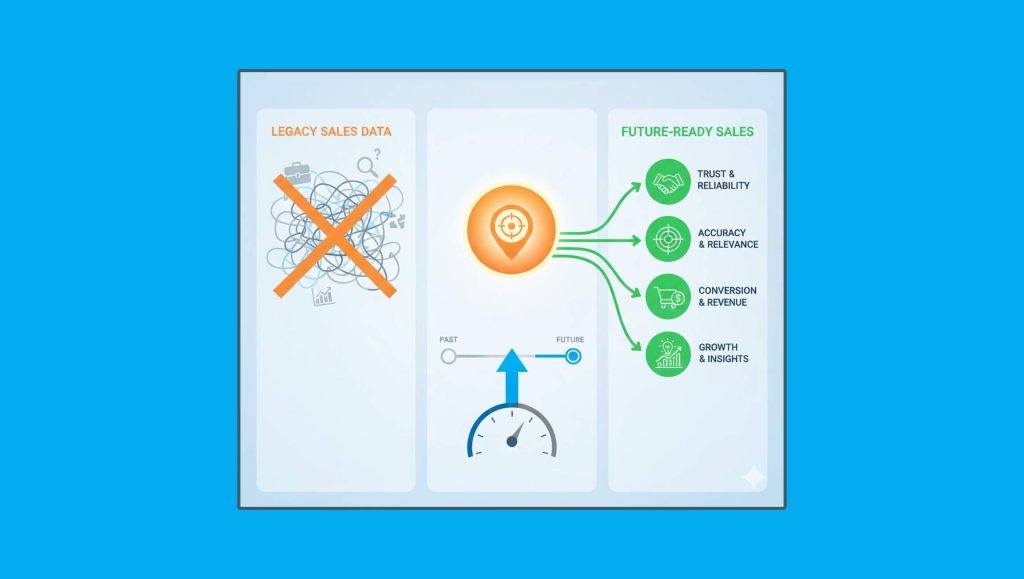

For years, sales leaders thought the answer to growth was simple: more. More dials, more emails, more SDRs.
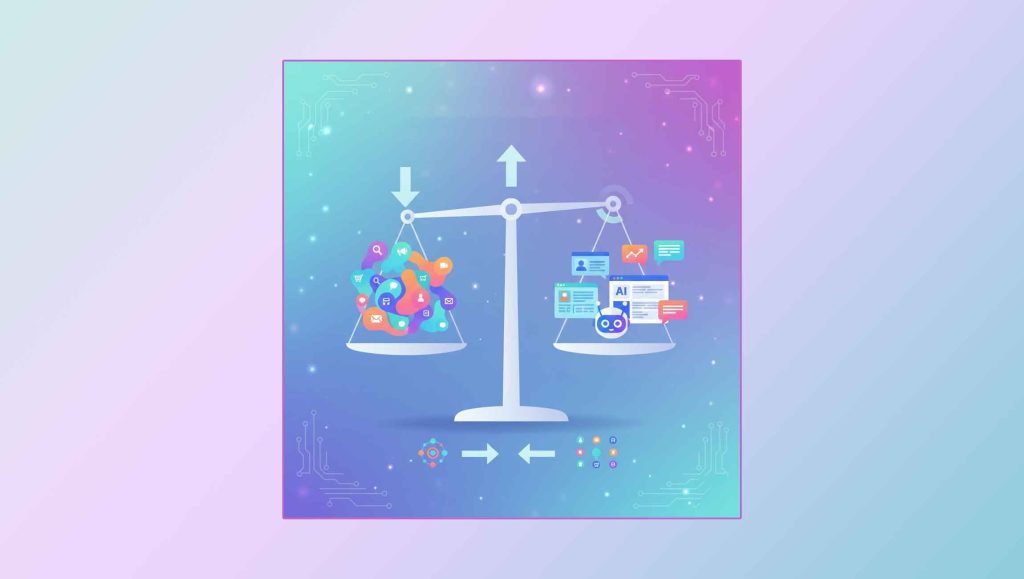
But the reality in 2025 is CROs aren’t paying for more; they want better. We’ve been optimizing for the wrong metric – dials instead of conversations.
That’s where AI comes in. It’s the biggest shift sales has seen in decades, but like every shiny new thing, it comes with a catch. If you layer AI on top of a broken process, all you’re doing is scaling dysfunction.
So, the real question for CROs isn’t “How do we add AI?” It’s “How do we use AI to make sales better?”
The Five Things That Still Matter
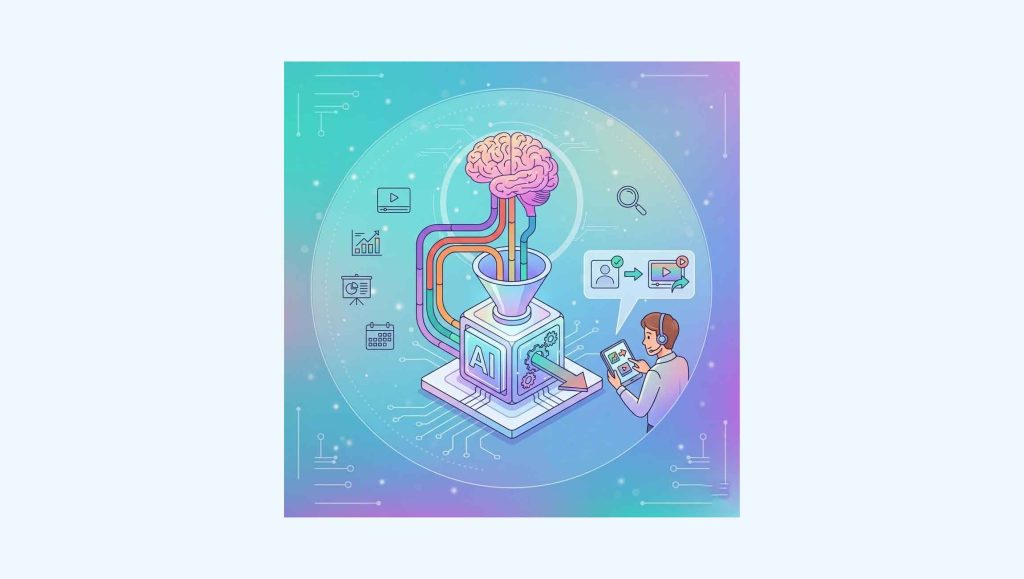
No matter how much tech we add, outbound still boils down to five things: list, message, rep, follow-up and timing. AI doesn’t change the fundamentals, it just changes how we execute them.
-
List:
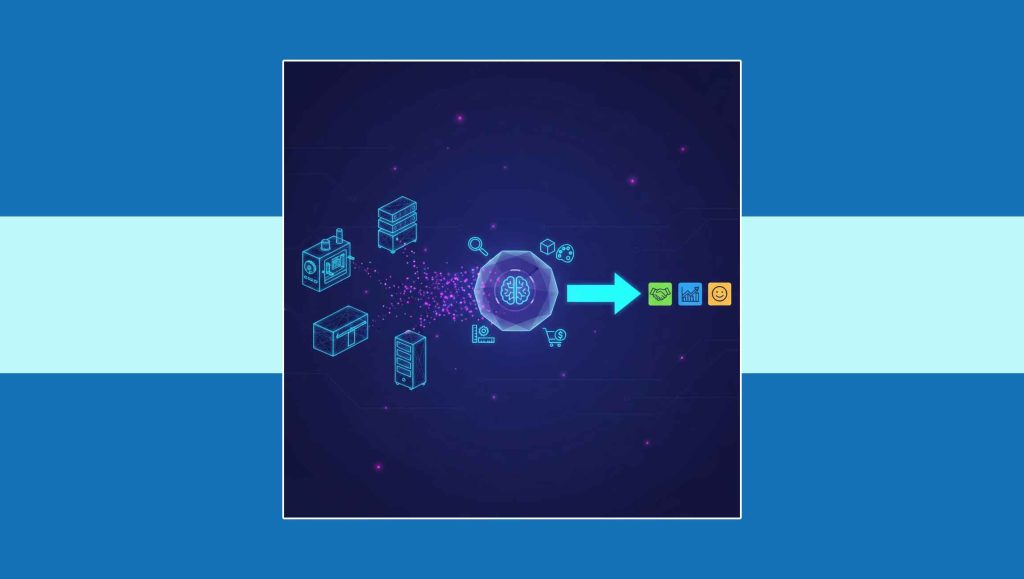
Feed AI your deal history — wins, losses, stalled opportunities — and it will surface the patterns you’d never spot on your own. But remember: if you feed it junk data, you’ll get junk targeting back.
-
Message:
AI can spot the themes that show up in winning conversations and help you refine messaging for every stage.
-
Rep:
Want to know what separates your best seller from the rest? Have AI analyze their calls side by side. Then build a coaching plan that helps everyone level up.
-
Follow-Up:
Forgetting the deck you promised a prospect? AI can remind you before the deal slips.
-
Timing:
The hardest part of sales is knowing when to reach out. AI tools can surface the perfect moment based on signals across CRM, social, and past conversations.
In other words: AI doesn’t replace the fundamentals, it just sharpens them.
Where AI Helps and Where It Hurts
Think of AI like a restaurant. It belongs in the back of the house analyzing data and surfacing signals. It does not belong out front, taking your order or trying to close the sale.
Why? Because conversations are still human territory. AI doesn’t build trust. It can’t read the room. It has no lived experience to draw from. And legally in the United States, only humans – not robots – can actually do cold calls.
Here’s the uncomfortable truth: AI-written emails and AI voice agents in sales don’t ‘free up your reps for higher-value work.’ They train your market to ignore you. When AI handles the conversation, you’re not scaling efficiency—you’re scaling distrust.
When AI supports reps, it multiplies their impact. When it replaces them, it kills credibility.
How CROs Should Think About AI Investments
Not every shiny tool deserves a budget. I like to evaluate them through three lenses:
1. Transactional: Does it let you do the same thing, just cheaper?
2. Value-Add: Does it give you outsized ROI?
3. Utility-Based: Does it make reps significantly more productive, so you avoid headcount bloat?
If a tool doesn’t fit one of these, it’s probably not worth the spend.
The Danger of Scaling Dysfunction
The biggest pitfall? CROs rushing to apply AI to broken processes.
AI is cheap, fast and powerful. Which means if you point it at the wrong process, it will happily scale the wrong behavior.
Before layering in AI, ask yourself: Is this process already working with humans? If the answer is no, don’t automate it. Fix it first.
Here’s what ‘scaling dysfunction’ looks like in practice: parallel dialing through your entire TAM, hitting the same unreachable segment 80% faster. AI-generated emails filling inboxes. Adding headcount to increase activity while connect rates stay at 3%. If the process doesn’t work with 10 reps, it won’t work with 50.
Efficiency Without Losing the Human Edge
At the end of the day, buyers still want to talk to people they can trust. They don’t care how you scored them or what workflow you automated. They care about whether you listened, asked the right questions and showed up prepared.
So, here’s the CRO rule of thumb: let AI handle the prep work and the reminders but have your reps handle the conversation themselves. That’s still where the deal is won.
What the Future Holds
AI is absolutely reshaping sales. But it won’t replace the human rep at the center of the conversation. What it will do is give leaders leverage: smarter targeting, sharper coaching and better timing without ballooning headcount.
Here’s the truth CROs don’t want to hear: AI can’t fix a fundamentally broken targeting strategy. If you’re calling people who will never answer, AI just helps you fail faster. The future of sales isn’t about replacing humans with AI, it’s about using AI to stop wasting human potential on mathematical dead ends. Because at the end of the day, deals are close in conversations. And you can’t have conversations with people who never pick up the phone.
The winners in this new era won’t be the companies that adopt AI the fastest. They’ll be the ones that apply it wisely. Because in sales, the future is still human. AI just makes that human more effective.