
Every day, companies receive an invaluable flood of insight, hidden in support emails, chat logs, and service calls. Feedback is omnipresent. Yet most of it remains untouched. When technology exists where AI can summarise novels and simulate human conversation, why are we still failing to extract meaning from the very conversations our customers are having with us?
For decades, surveys have been the go-to method for understanding customer experience (CX). But traditional surveys capture only a fraction of the customer voice. The reality is that the most detailed, unfiltered, and action-ready feedback often lies in support interactions. This wealth of invaluable information lives in the tickets and transcripts that are buried in CRM systems, siloed away from product, marketing, or leadership teams. And that’s where AI steps in and raises the bar.
Unlocking the value in support conversations
Customer service is no longer just a reactive function; it has become a proactive one. Today, it’s a goldmine for business intelligence. Every “how do I reset my password?” or “your product isn’t working” contains the potential to shape a better customer journey, but only if we listen.
Thanks to AI, we can now analyse massive volumes of unstructured support data: emails, chat logs, and call transcripts, as well as data from platforms like HubSpot, Meta, Salesforce, Zendesk at scale. With tools powered by natural language processing (NLP) and machine learning, businesses can automatically identify reasons for contact, group feedback by topic, detect sentiment, and even flag emerging issues before they become crises.
According to a recent Capterra study, more than 55% of companies in Germany already use AI in customer service. This puts Germany in third place worldwide. 60% of these companies expect AI to reduce costs and improve speed. Productivity gains (61%) and customer satisfaction improvements (49%) were the most cited benefits. Yet, concerns remain: loss of trust (43%) and data privacy (36%) are barriers that need addressing, along with transparency and governance.
But those concerns are also missing a vital point: That governance is still required to be overseen by humans. In fact, AI doesn’t replace human insight at all; it amplifies our capacity to understand, empathise, and respond. Rather than replacing humans, AI is an enhancement tool for human performance. While humans excel in emotional intelligence, relationship-building, and nuanced personal interaction, AI brings strengths in data analysis, multilingual communication, and managing repetitive tasks efficiently. When combined, the result is not substitution, but synergy.
Read More: SalesTechStar Interview with Tim Baynes, Founder and CEO at Compatio
Break down silos – Build one voice
One of the greatest missed opportunities in customer experience today is the fragmentation of data. Feedback from surveys, NPS scores, support tickets, social media, and product reviews all tell parts of the story, but rarely are they told together.
Despite being on the front lines of customer interaction, service departments are too often siloed from marketing, sales, and product teams. This separation not only limits the flow of valuable insights, such as recurring complaints, unmet needs, or emerging customer expectations, but also hampers cross-functional efficiency. Customer service holds a goldmine of qualitative data, yet without proper integration, its potential to inform broader business strategy remains underutilised.
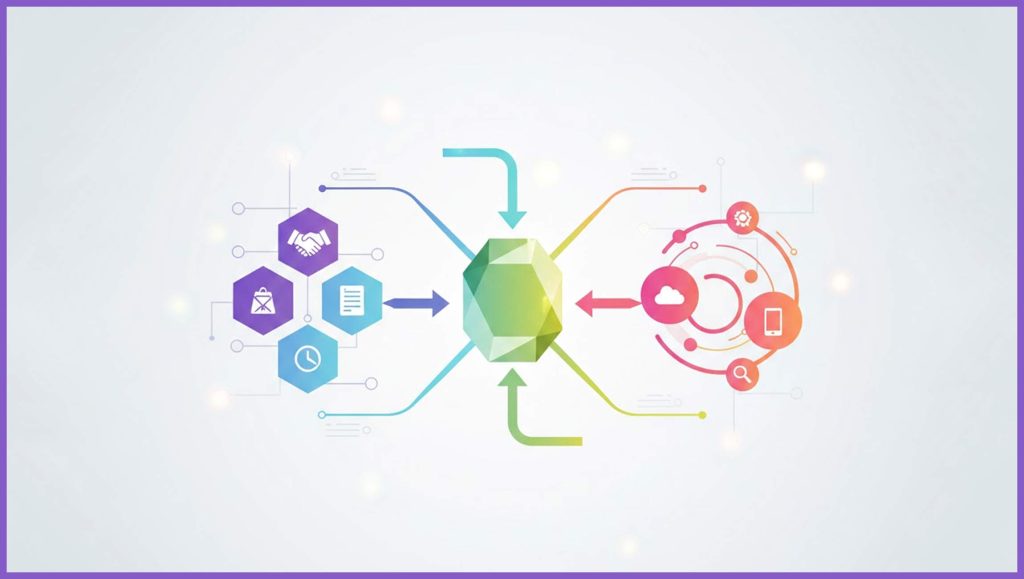
By merging support interactions with traditional feedback sources, organisations can close the feedback loop and create a 360-degree view of the customer. This unified approach is more than efficient; it’s strategic. It allows teams across service, product, and marketing to act on real-time insights and make customer-centric decisions that cut costs, drive loyalty, and improve products.
Take the case of Fibrus, a broadband provider, as an example. By analysing support interactions using AI, the company achieved remarkable outcomes:
- NPS skyrocketed from -28 to +56.
- Customer contacts to the service team dropped by 30%.
- Their Trustpilot score more than doubled, from 1.7 to 3.9.
The takeaway? When you analyse not only what customers tell you in surveys, but also what they ask, complain about, and struggle with in support channels, you transform noise into knowledge. The reason this is so important is that businesses need much more than just a feedback tool. They are looking for a solution that provides deeper insights and valuable support in developing an actionable strategy to improve their customer experience.
Ultimately, AI-supported analysis delivers the advantages of combining a solution to two key goals: improving customer service on multiple touchpoints along the customer journey and improving the whole customer experience as a complete package, in turn, saving costs in the longer term.
Smarter support with generative AI
The next level of understanding customer feedback comes from generative AI, tools that don’t just analyse, but interact with your data. Imagine your team querying historical support data in natural language: “Why did we see a spike in contacts last November?” Or: “What are the top 3 pain points new users report in week one? Instead of waiting for a business intelligence team to create dashboards, customer service and CX professionals can get instant, actionable insights. This democratisation of data access enables faster decisions and smarter solutions.
Generative AI also opens new doors in customer interactions themselves, helping customers solve issues faster, suggesting responses to agents, or summarising long interactions for efficient follow-up.
From reactive to proactive
AI-powered analysis also enables early trend detection. With a context-aware alert system, companies can spot recurring issues or product defects early, before they go viral or impact KPIs. It’s a move from reactive service to proactive CX design. When product and service teams are aligned around what customers are actually saying, everyone wins.
Moreover, by understanding the root causes behind support contacts, businesses can improve self-service tools, update documentation, or fix product issues, ultimately reducing support volume and operational cost.
Closing in on AI as a competitive advantage
Customer service is no longer a cost centre; it’s a listening post. But to truly hear your customers, you need more than ticketing systems and satisfaction scores. You need intelligence.
AI helps surface insights from the data you already have. It connects the dots between customer pain points and business outcomes. And when used responsibly with a focus on transparency, data privacy, and human oversight, it can unlock a level of customer understanding that was previously out of reach.
Tangible outcomes are noticeable and measurable, for example, increases in operational efficiency and overall boost in customer satisfaction, coupled with time and cost savings through automation and the implementation of a central solution. Then there are the benefits of access to informed, data-driven decisions that are instantly actionable, through summaries, insights, and deep dives into critical support issues. And finally, AI analysis supports the implementation of context-sensitive KPIs for more control to make changes that address the most essential metrics in each specific case.
With all of these potential gains in mind, it’s clear that for any organisation serious about customer experience, analysing support interactions with the help of AI isn’t just an opportunity; it’s a necessity.