In an era where customer expectations are sky-high and patience is paper-thin, businesses are racing to modernize their contact centers. AI, automation, and omnichannel platforms promise seamless service and faster resolution. And yet, despite billions spent, many organizations are still struggling with the same core issue: they don’t know what’s actually happening inside their own contact centers.
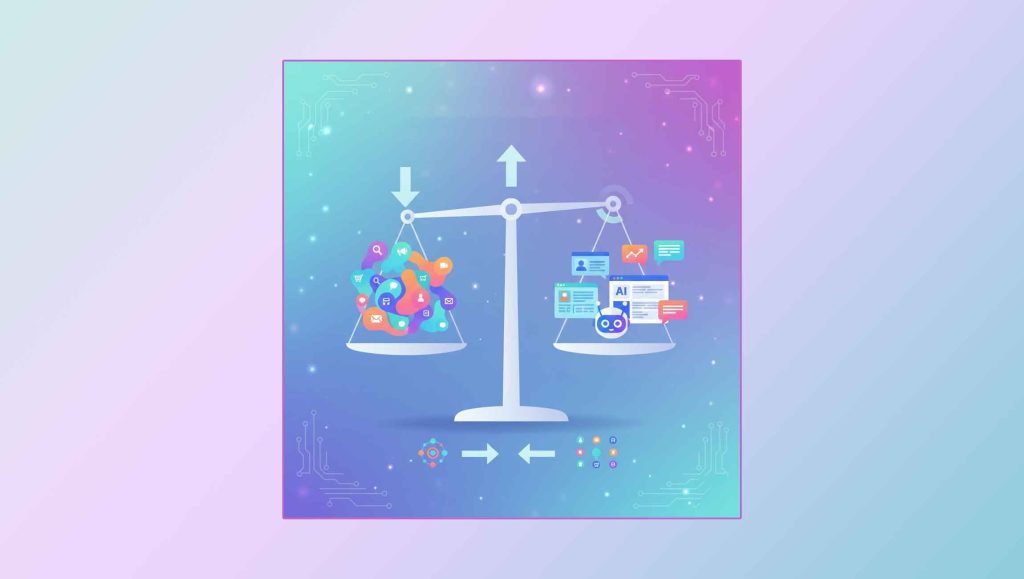
It’s not for lack of information. If anything, contact centers today are awash in data from call recordings and transcripts to sentiment scores and agent performance logs. But more data hasn’t necessarily always led to better decisions. Instead, leaders are grappling with dashboards that lack context, analytics that don’t tie to outcomes, and a growing disconnect between what customers experience and what executives think is happening. This is the paradox of abundance: contact centers have never had more data, but they’ve also never had less direction from that data.
The result? Teams react to symptoms instead of solving root causes. Supervisors focus on isolated calls while systemic issues go unnoticed. And instead of enabling better service, the data swamp leaves leaders overwhelmed and agents unsupported. To turn things around, organizations must rethink not only how they gather data, but how they structure it, interpret it, and most importantly, how they use it to inform action.
Why More Data Isn’t the Answer
The promise of AI in the contact center has been well-hyped with the promise of real-time transcription, instant coaching and automated resolution. But the reality on the ground often falls short. Legacy IVR systems are still common, siloed channels make it hard to track customer journeys end-to-end, and while most platforms capture massive volumes of information, few offer meaningful visibility into escalation patterns, queue performance, or resolution effectiveness.
Ironically, this glut of information can create confusion instead of clarity. Organizations drown in metrics but often fail to understand the underlying conversations that drive them. Dashboards become graveyards of underused insights; and because data collection often outpaces interpretation, contact center leaders are left reacting to fire drills rather than proactively improving service.
Shifting From Noise to Understanding
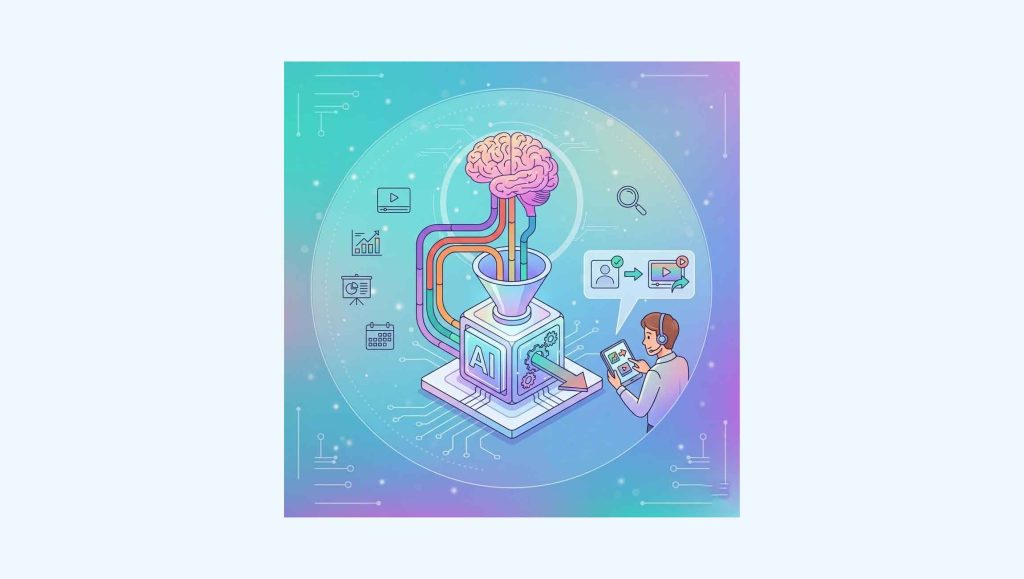
What’s needed isn’t just more data but rather, more intelligent data. True visibility starts with real-time, structured insight into the customer experience as it unfolds. That requires a layered approach including:
- Real-time transcription, so interactions can be understood and acted on as they happen and not hours later.
- Sentiment and emotion detection, to surface moments of frustration or confusion and inform live interventions.
- Intent tracking and journey mapping, to identify where customers are getting stuck and why.
- Agent assist cues and performance insights, so front-line staff receive in-the-moment guidance, and managers gain visibility into what’s working, and more importantly what isn’t.
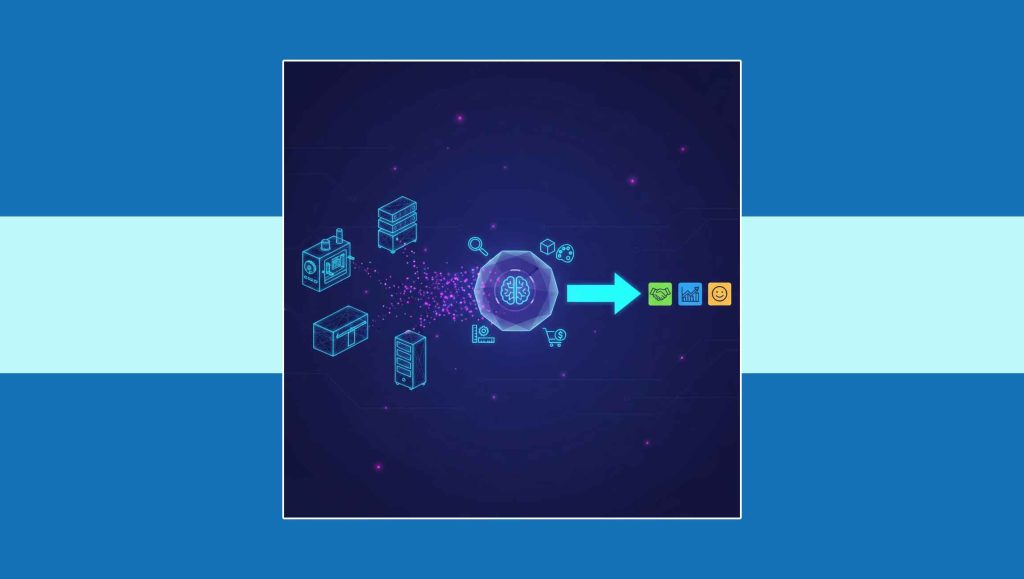
When these components work together, they transform raw interaction data into clear signals enabling: supervisors to see friction points in real time; teams to pinpoint the root causes of repeat calls; and product leaders to gain visibility into what customers are asking for most. In short, it allows organizations to shift from reactive firefighting to proactive decision-making.
Read More: SalesTechStar Interview with Stephanie Berner, Chief Customer Officer at Smartsheet
Closing the Feedback Loop
However, visibility alone isn’t enough. The most advanced organizations are going one step further and using conversation intelligence as a feedback engine that drives continuous improvement. Instead of manually sampling 1% of calls, they automatically analyze 100% of voice and digital interactions making every conversation a potential opportunity to identify coaching needs, refine workflows, and train smarter AI systems.
What is more, loop-closing feedback also reveals what’s broken within the self-service flows. By comparing actual customer journeys against designed experiences, leaders can identify ‘dark spots’ where users drop out or give up. These insights make it possible to fine-tune scripts, add targeted automation, or reconfigure routing before frustrations escalate. The goal here is not just to capture data, but to contextualize it, learn from it, and act on it with confidence.
Why Modular Bots Are the Future
This same principle of precision over volume applies to automation itself. Many contact centers still rely on monolithic bots designed to do everything, and are consequently doing nothing well. But modern customer interactions are complex. A single call might involve billing, account updates, and ID verification with each requiring different logic and data permissions.
Modular, task-specific bots offer a better path forward with each one designed for a discrete function like updating an address or retrieving a balance. These bots can be orchestrated together, handed off based on skill or context, and upgraded independently without reworking the entire system. Because they’re narrow in scope, they generate clearer insights and deliver better outcomes. More importantly, they mirror how real teams work: with specialized roles, seamless handoffs, and constant learning.
Visibility Is a Leadership Imperative
Ultimately, this isn’t just a conversation about AI, it’s a conversation about leadership. Data without structure creates noise. Structure without insight creates inertia. But structured, contextualized, real-time insight creates leverage.
The organizations that will thrive are those that can surface performance gaps in their contact centers before they escalate, predict next-best actions for resolution, and empower both agents and decision-makers to act with confidence. True transformation isn’t about doing more with less. It’s about doing the right things with the right systems intelligently, collaboratively, and in real time.
As the contact center evolves from a cost center into a strategic hub of customer experience, the ability to harness data with direction will separate the leaders from the laggards. Because in the customer experience world where every conversation matters, intelligence insight isn’t a nice-to-have but a business-critical imperative and a brand differentiator.
Read More: 3 AI Moves CIOs & CROs Need for 2026