
For years, the safe move in enterprise tech was consolidation. Companies invested heavily in all-in-one cloud suites that promised a single view of the customer and seamless integration across marketing, sales, and service. The appeal was simple: one vendor meant greater convenience, efficiency, and savings.
But as AI reshapes the landscape, that promise is beginning to look less like efficiency and more like entrapment. The “single view of the customer” never fully materialized – even within the same vendor. Data remained fragmented across products that didn’t truly synchronize, and as markets evolved, teams found themselves boxed in, forced to wait on slow vendor roadmaps or pay heavily for custom integrations that still fell short.
Many enterprise teams have felt this pain firsthand. A new AI workflow that could improve personalization sits on the shelf because integrating it requires months of approvals. A marketing team wants to connect customer insights from its data warehouse, but the cloud vendor’s closed APIs block direct access. The result is lost momentum, rising costs and tech debt, and frustration for teams that want to move faster than their stack allows.
Once your data and workflows are entrenched in a suite, leaving becomes difficult. Vendors know this and often raise prices accordingly, with renewal negotiations reflecting the high cost of switching and loss of negotiating power.
The vulnerabilities in single vendor lock-in are increasing as of late. Recent high-profile data leaks have exposed how centralizing massive volumes of sensitive information inside a handful of cloud ecosystems creates attractive, and increasingly fragile, targets. The very consolidation that once promised control is now expanding the blast radius when something goes wrong.
AI is now turning those cracks into rapidly-widening fault lines.
The pace of innovation has shifted from quarterly releases to weekly breakthroughs. New models, tools, and agents emerge constantly, each capable of transforming how companies understand and engage customers. But to take advantage of them, enterprises need flexibility: access to complete data, the ability to experiment quickly, and the freedom to plug in the best technology as it appears.
That’s exactly where cloud suites fall short. Data lives in confined proprietary formats. Integrating a new AI workflow can take months of security reviews and vendor approvals. Even when integration is possible, it’s partial – AI can only see the narrow slice of customer data that lives inside the suite. The rest, locked away in data warehouses or other systems, remains out of reach.
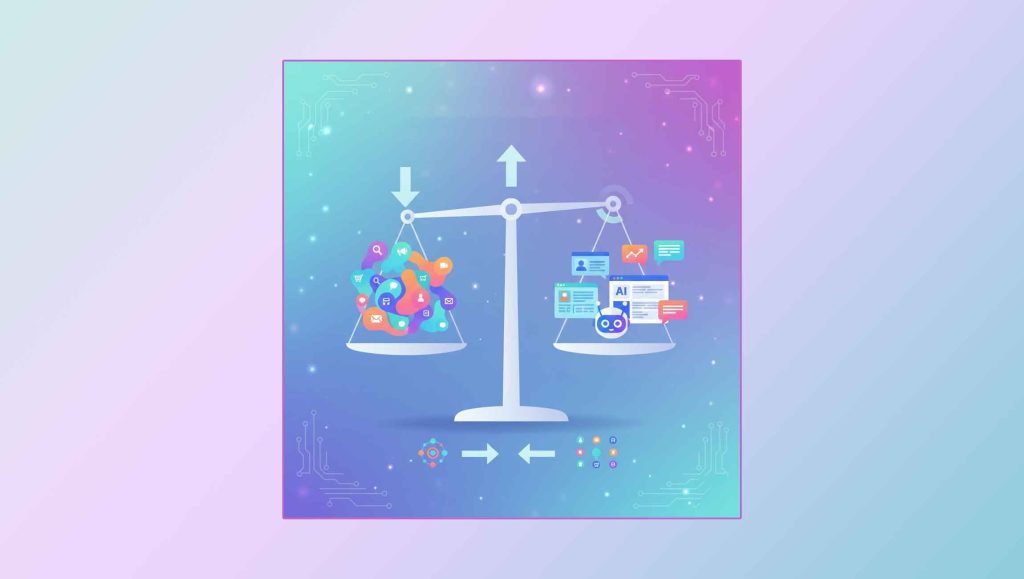
AI thrives on breadth and freshness of information, to close the gap between ambition and reality, it requires complete data access. But cloud suites were never designed for that kind of openness. Treating them like data platforms is not just limiting – it’s expensive. Every new use case requires more connectors, more engineering work, and more storage. What once felt like convenience now feels like constraint.
As one analyst recently observed, doubling down on the big clouds has become too risky. They are innovating too slowly for a market that is changing too fast. The most forward-looking organizations are beginning to recognize that agility, not consolidation, will define the next generation of data architecture.
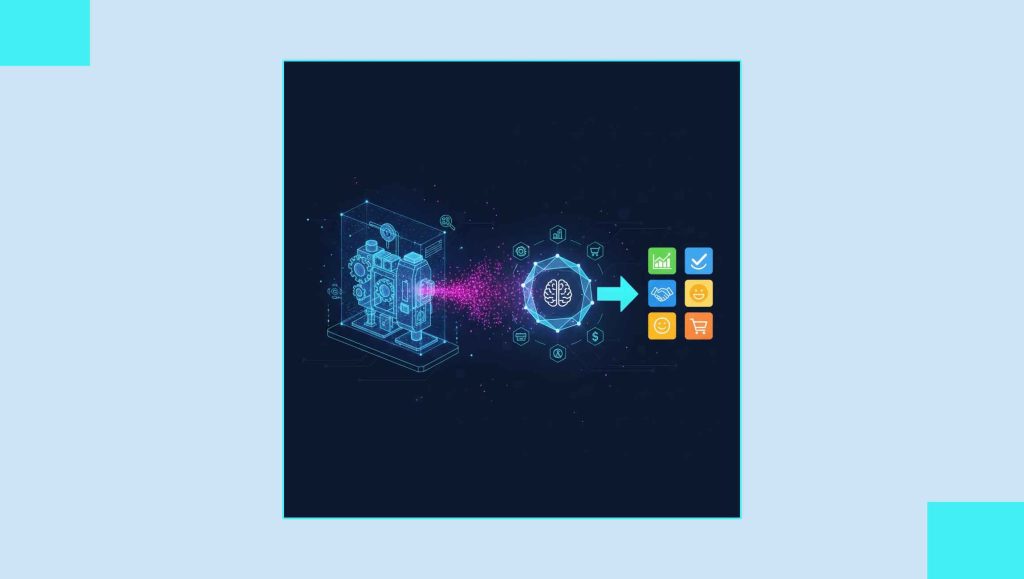
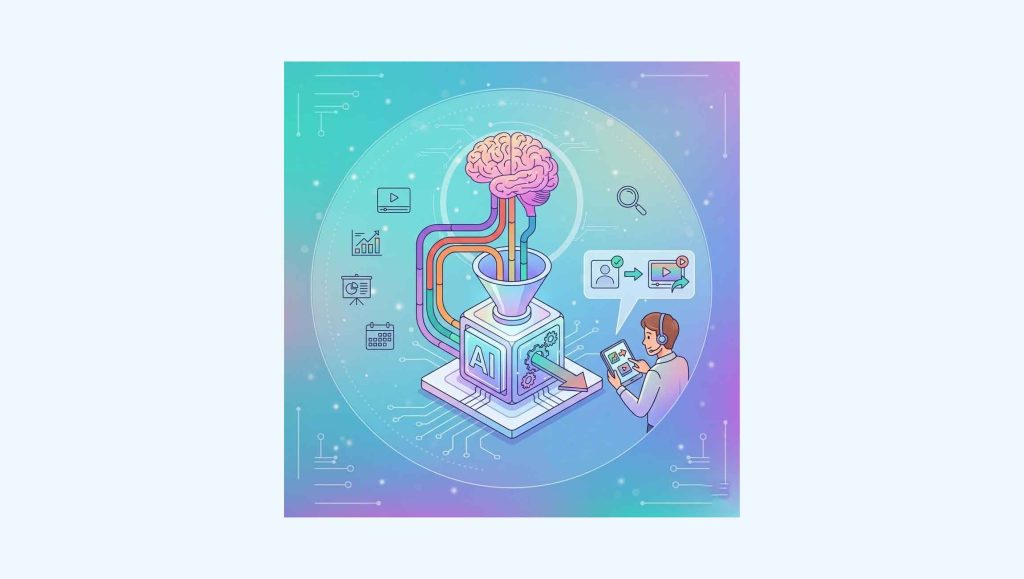
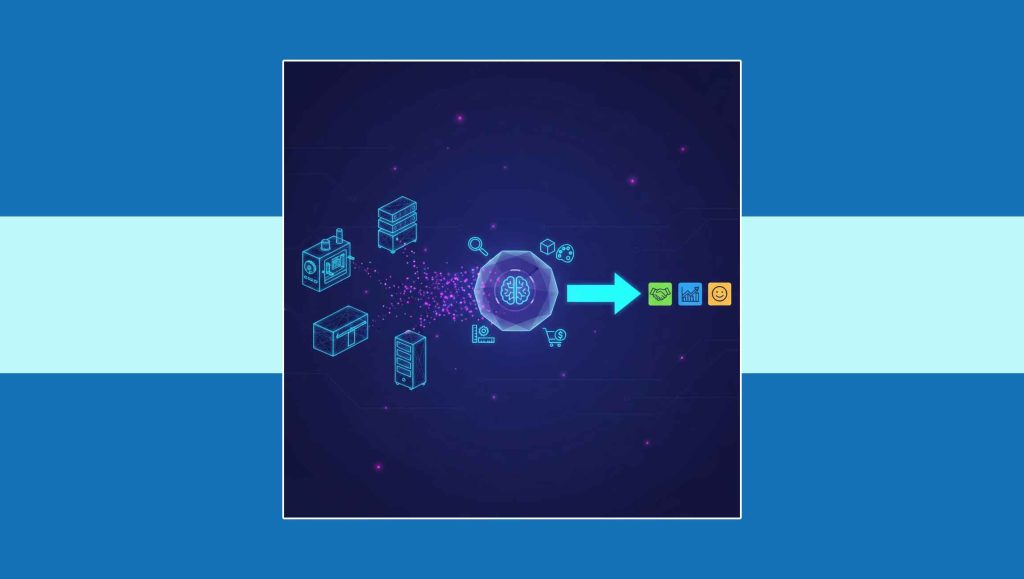
The emerging model flips the old one on its head. At its core sits a deep data layer – the warehouse – that serves as the single source of truth for all customer data. A context or activation layer translates this raw data into unified, actionable profiles, powering AI agents and insights across the business. On top of this sits a light engagement layer: intentionally thin, flexible, and able to evolve as new channels, partners, and AI workflows emerge. This layered approach gives companies the freedom to build, experiment, and scale without being tethered to a monolithic suite, while ensuring that AI has access to a complete, up-to-date, and secure view of their data.
This approach is not just technical, it is philosophical. It reflects a growing discomfort with the lock-in strategies of the past decade, when vendors sought to own the full marketing stack. Many enterprises now find themselves in a delicate position: dependent on the same providers they must also evolve beyond. They know the status quo is unsustainable, but it is difficult to challenge the very platforms that still hold the keys to their data.
AI now makes that tension impossible to ignore. With slower innovation and incomplete insights, the cost of staying is now higher than the cost of switching. The clouds that once accelerated transformation are now both the bottleneck and the breach vector.
Breaking from the cloud is not about abandoning them altogether, but about reclaiming control. It means treating the cloud as a utility, not a dependency. Companies that treat their data as the core of their strategy will move faster, integrate smarter, and stay aligned with the rapid pace of AI innovation.
The great cloud consolidation defined the last decade of enterprise technology. The next decade will be defined by its unraveling. The advantage will belong to companies that design for openness, interoperability, and speed – not those that double down on closed ecosystems.
As AI continues its rapid expansion, security and sovereignty go hand in hand. The winners will be the ones that own their data – not just rent it.