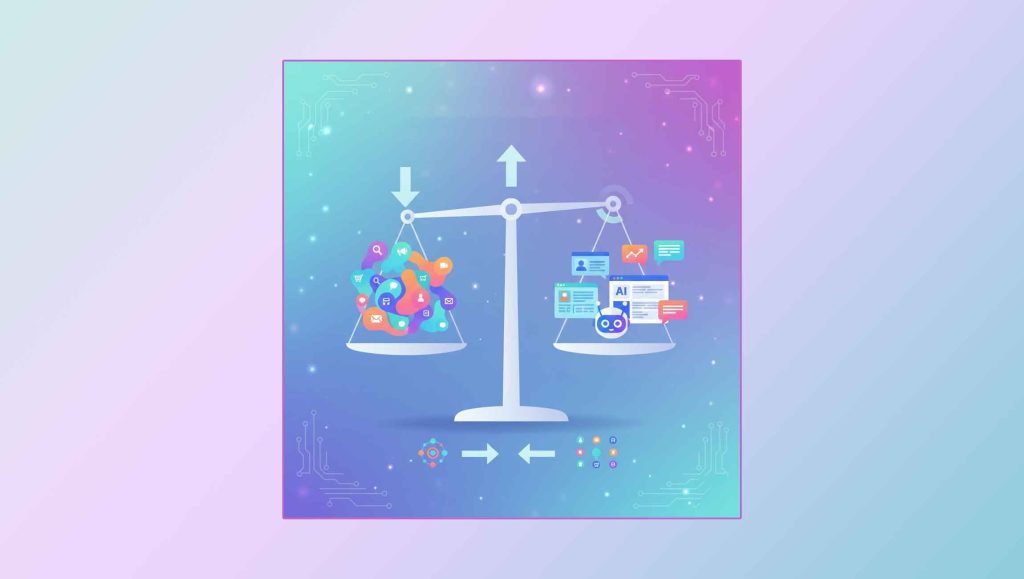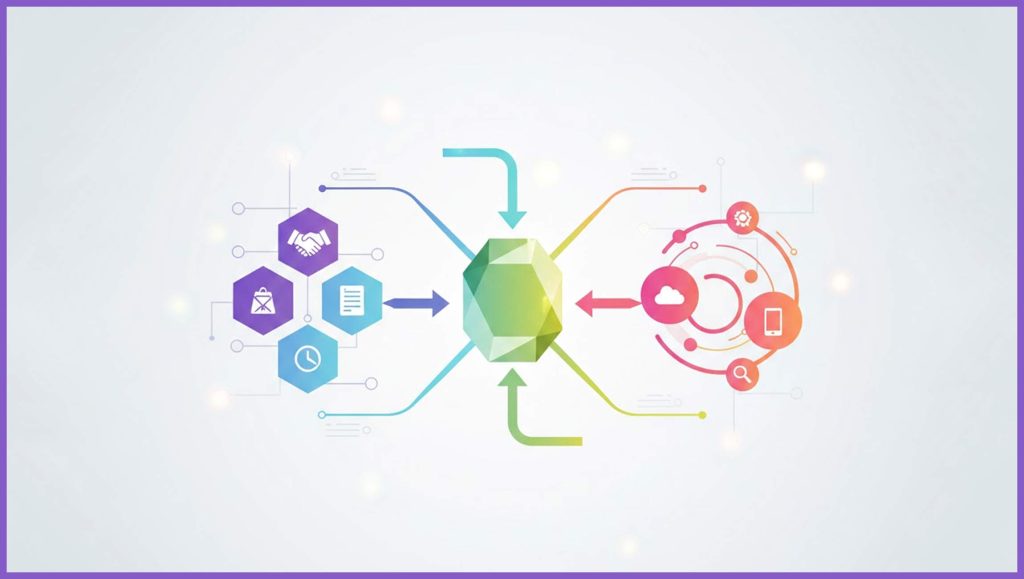

The way companies approach event technology has recently undergone a significant transformation. Event technology can no longer meet the minimum requirements to establish virtual connections, but must allow for the growing importance of seamless, secure, and optimized digital experiences. With technological advancements such as AI and changing market demands, event tech sales experts need to adapt their strategies to address the challenges faced by companies across various industries and stages in technology adaptation.
2025 will be a pivotal year for the event tech industry, as organizations seek solutions to enhance engagement with global audiences. From highlighting customization features to leveraging data, event tech sales teams can position themselves and their solutions for success in a rapidly changing world. Here are key strategies for driving event tech sales in 2025.
1. Emphasize Customization Features
The one-size-fits-all model no longer works within event tech sales. Organizations now increasingly demand solutions that address their unique needs. Companies want interfaces that reflect their brand, integrations that meet their operational needs, and engagement features that deliver a personalized event experience for attendees.
When selling event tech, emphasize training sales teams to highlight how your platform can be customized to become an integrated piece of the communications toolset. Whether through the ability to create branded event landing pages, enable dynamic event layouts, or integrate with existing marketing automation software, the flexibility to meet a company’s specific needs is a compelling selling point.
If you have AI capabilities within your platform, discuss the intuitive and automatic ways companies can deliver personalized attendee experiences, such as customizable agendas and networking recommendations.
2. Leverage Reporting, Analytics, and Integrations
In 2025, data will be the key to driving sales. To make the greatest impact, focus on how your event platform can maximize ROI. Companies rely on data to inform marketing and sales strategies. Events provide a wealth of valuable data when gathered and analyzed effectively. Discuss how engagement metrics, session attendance patterns, polling responses, and other event data captured by your platform can help inform targeted outreach, improve audience engagement, and increase qualified leads.
By offering real-time insights that can be leveraged for post-event marketing, lead generation, and content optimization, sellers can appeal to companies looking to get the most bang for their buck. Case studies, social media clips, and data-driven customer testimonials provide compelling evidence of event tech companies’ proven ability to boost sales and drive measurable business results.
Read More: SalesTechStar Interview with Haley Gault, Senior Account Executive, Salesforce
3. Focus on Scalability and Security
Managing large-scale virtual or hybrid events can be complex, and requires technology that is both scalable and secure. Enterprises are searching for event platforms that have the capability to handle both internal town halls for 500 people as well as external events with attendee numbers in the tens of thousands.
For this reason, sales professionals need to communicate the importance of scalability with their platforms. Proactively answer questions and address how your platform can manage events of any size seamlessly.
Like mentioned previously, events are also a data gold mine. As a result, cybersecurity features are paramount. Highlight safeguards such as single sign on access controls, private cloud v. public cloud infrastructure, platform compliance with infosec standards, encryption and real-time monitoring controls to reduce the perceived risk of buying your product.
4. Avoid Becoming a Vendor
To set your company apart, work to build strong relationships with potential buyers and clients. Companies are not just looking for technology vendors, but for partners that they can go to for ongoing support and advice. Sales professionals have the capability to change perspectives. If your company offers 24/7 support, professionally managed services, or event planning frameworks, you can reposition your connection from a transactional vendor relationship to a partnership as a trusted advisor.
Event tech companies should aim to provide value beyond the initial sale. Learn about clients’ pain points and create and position solutions to align with their business objectives and event goals. A relationship-first approach not only builds brand loyalty but can lead to up-selling and a stronger sales pipeline from referrals.
5. Stay Ahead of the Technology Curve
Technology is changing rapidly. AI, machine learning, and analytics are changing the way businesses and virtual event platforms operate at an unprecedented rate. Stay on top of technological innovations and be ready to explain how your platform can adapt with operational changes to leverage and optimize process synergy. The more you can speak to how new developments in technology features will improve event efficiency and ROI, the better.
With technological advancements often comes resistance. Be prepared for customers hesitant about retraining staff on new tools. Highlight your platform’s intuitive features that streamline adoption and minimize the learning curve. Empowering sales teams with impactful training resources and infographics can also ease the transition and foster confidence among buyers.
Technology can transform an event experience and sales professionals must be ready to leverage the ever-changing landscape of event tech. Following these best practices will allow event tech sales teams to drive success for their clients and business in the years ahead.
Read More: Data-Driven Revenue Strategies Are Helping High-Tech Manufacturers Navigate Turbulent Markets