
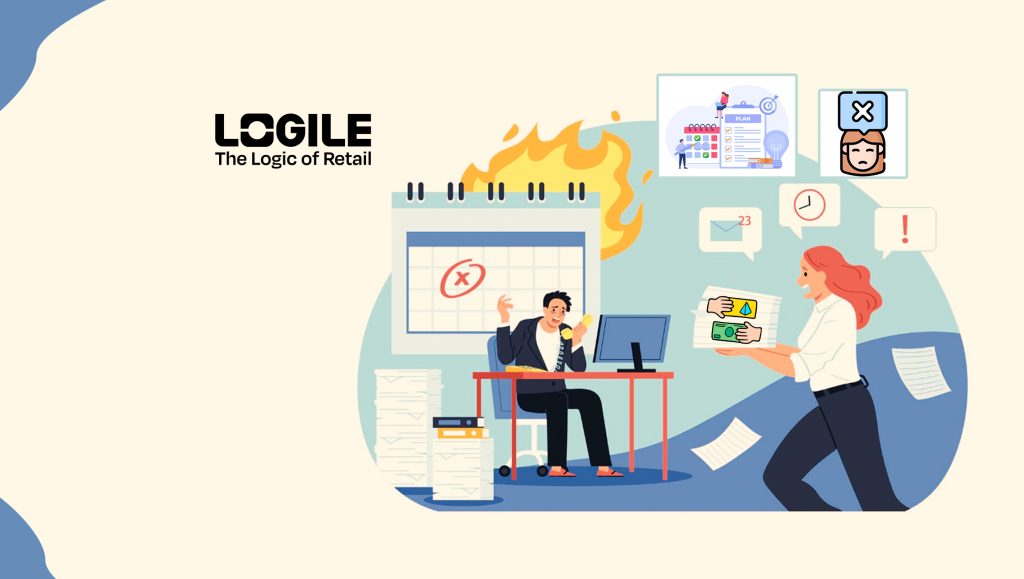
On paper, retail labor plans often look sound. They’re crafted using forecasts, historical data, and performance goals designed to keep costs down and productivity up. But for the people who work the floor, ring up customers, stock shelves, and make the magic of commerce happen every day, the story is often very different.
According to new data from the Logile 2025 Labor Planning & Optimization Report, a national survey of retail associates, only 36% say schedules consistently align with actual store traffic. Nearly half report being short-staffed during peak hours most of the time, with one in four saying it happens almost every time their store gets busy. The result? Missed sales, missed breaks, and missed opportunities, both for customer connection and employee retention. An overwhelming 77% of associates say poor scheduling has directly resulted in lost sales, and 31% are actively considering quitting because of it.
This isn’t just a staffing issue. It’s a business risk hiding in plain sight.
The Operational Cost of Getting It Wrong
When labor plans don’t reflect real-world conditions and they fail to align with shopper traffic, task volume, and associate bandwidth, the impact compounds quickly. Customers leave empty-handed. Teams burn out. Turnover increases. Productivity falls.
The pressure cooker environment created by mismatched staffing is especially dangerous in today’s retail climate, where margin pressures are constant and consumer expectations are high. More than 80% of associates in the survey reported feeling overwhelmed at work, and 80% cited unpredictable schedules as a key source of stress. These are not fringe complaints, but structural failures.
Scheduling Isn’t Just a Science—It’s a Signal
The way a retailer schedules labor sends a powerful message. To associates, it reflects how much their time and effort are valued. To customers, it shapes the quality of service they receive. To business leaders, it impacts everything from basket size to shrink to long-term loyalty.
In that sense, scheduling is no longer just an operational function. It’s a competitive and cultural differentiator.
Too often, however, labor planning relies on outdated tools or rigid templates that fail to account for the complexity of the modern retail environment. Promotions, localized foot traffic patterns, task variation, and even weather can dramatically influence staffing needs from week to week, store to store. Static plans simply can’t keep up.
The Opportunity in AI and Advanced Analytics
The good news? Retailers don’t have to keep guessing. Today’s advances in analytics and AI make it possible to forecast demand, schedule shifts, and allocate labor with far greater precision and fairness.
Machine learning models can synthesize data from multiple sources to predict traffic surges down to the hour, adjust for local anomalies, and even simulate different scheduling scenarios. These systems can help managers build compliant schedules that not only meet business needs but also respect employee preferences and availability.
Perhaps most importantly, retail workers are ready for it. The Logile survey found that 74% of frontline associates are open to the use of advanced technology to improve scheduling outcomes. They don’t fear automation. They’re asking for smarter tools that lead to more predictable, humane work lives.
Read More: SalesTechStar Interview with Tim Baynes, Founder and CEO at Compatio
Better Plans, Stronger Frontlines
Smart scheduling isn’t about eliminating the human element. It’s about empowering it. When retailers adopt a data-driven, AI-supported approach to labor planning, they can transform scheduling from a weekly headache into a strategic advantage.
The outcomes are tangible, and they extend across every level of the organization:
Reduced turnover
Frontline workers crave predictability and fairness. When schedules fluctuate without explanation or fail to account for basic needs like availability, fatigue builds quickly, and so does resentment. High turnover isn’t just a human cost; it’s a financial one, driving up recruitment, onboarding, and training expenses. By introducing intelligent scheduling that adapts to associate preferences and regulatory requirements while still meeting operational needs, retailers can boost retention and preserve valuable store knowledge. When employees feel seen and supported, they stay.
Improved sales performance
Associates are the heartbeat of in-store conversion. When peak hours go understaffed, the result is more than long lines—it’s lost revenue. According to the survey, 77% of associates said poor scheduling had directly resulted in lost sales opportunities. That’s a clear call to action. Smarter labor plans that put the right number of people in the right place at the right time help ensure that every customer is greeted, every shelf is stocked, and every transaction is completed. In today’s competitive environment, responsiveness matters, and it starts with planning.
Higher morale and engagement
Workplace culture is shaped by daily experiences. Associates who consistently feel overwhelmed or out of sync with their schedule are unlikely to stay motivated, much less go above and beyond. But when they know their time is being managed efficiently and fairly—when requests are honored, preferences are remembered, and they aren’t asked to carry a disproportionate burden—engagement rises. Scheduling may seem tactical, but it has emotional weight. It’s one of the most direct ways to show employees that they matter.
Elevated customer experience
The connection between labor planning and customer satisfaction is direct. When teams are stretched too thin, customer service suffers. Tasks get delayed, lines grow, and questions go unanswered. And when customers feel like an afterthought, they shop elsewhere. Smart scheduling stabilizes service levels by anticipating traffic, flexing labor when needed, and ensuring coverage across essential roles. It empowers store managers to focus on coaching and performance, not crisis control. Over time, this consistency builds loyalty and helps stores stand out in a sea of sameness.
The Bottom Line
Labor plans that fail on the front line are a drag on the entire retail operation. As retail continues to evolve under the weight of shifting customer expectations, economic pressure, and technological change, the divide between well-run and poorly run stores will only widen.
Retailers who embrace data, who listen to their frontline teams, and who invest in scheduling strategies that reflect the complexity of modern operations will be better positioned to thrive.
Because when the front line wins, everyone does.