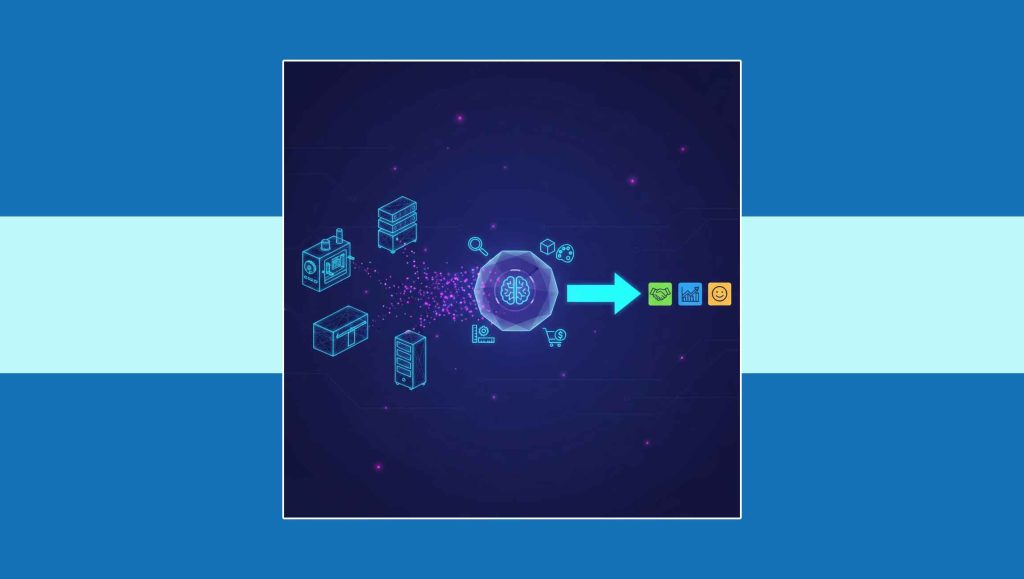
Sales automation is changing industries beyond retail and B2B. Healthcare, real estate, and education are leading this change. They use automation to simplify tasks, connect better with customers, and grow their businesses. This change is not just about new tech; it is about these fields rethinking how they work with clients, patients, and students.
Bringing sales automation to these industries creates new problems and opportunities. Hospitals and clinics use automation to help patients and set appointments more efficiently. Real estate companies use these tools to match people with homes and talk to clients better. Schools use automation to make admissions easier and keep students involved.
This blog examines their distinct challenges, the creative solutions they are adopting, and the transformative effects on their operations and customer interactions. Continue reading to learn more.
How Sales Automation is Changing Healthcare, Real Estate, and Education?
Sales automation has brought forth new solutions to improve efficiency in healthcare, real estate, and education. These sectors, historically dependent on manual methods, are embracing automation to enhance their operations.
-
Healthcare:
Automation transforms how appointments are scheduled, follow-ups are managed, and leads are handled. Hospitals and clinics currently employ CRM solutions to monitor patient interactions, streamline operations and improve the patient experience.
-
Real Estate:
Real estate companies utilize sales automation to simplify property listings, cultivate leads, and automate follow-up processes. CRM systems assist in monitoring client preferences, allowing agents to finalize agreements more swiftly.
-
Education:
Educational organizations utilize automation to address student questions, oversee enrollment, and sustain communication with potential students. Automated systems streamline lead nurturing, conserving time for administrative personnel.
What are the Barriers to Sales Automation in Non-Traditional Industries
Although sales automation provides many advantages, introducing it in unconventional sectors comes with its own set of difficulties. Here are the primary hurdles:
-
Personalization:
Every sector has distinct needs that require customized solutions. Ready-made automation solutions frequently fail to adapt to industry-specific requirements, requiring tailored development.
-
Data Privacy and Compliance:
Sectors such as healthcare encounter strict regulations, including HIPAA compliance, necessitating strong security protocols to safeguard sensitive information.
-
Opposition to Change:
Workers used to traditional methods might be reluctant to embrace automation technologies. Addressing this resistance necessitates thorough training and change management approaches.
Read More: SalesTechStar Interview with Fabrice Della Mea, Vice President of Product Management at Dialpad
How is Sales Automation Driving Cost Savings and Accelerating Sales Cycles?
Sales automation considerably lowers expenses and accelerates sales cycles by removing repetitive tasks and improving process efficiency.
-
Cost Savings:
Automation reduces the manual work involved in activities such as lead generation, follow-ups, and appointment scheduling. For example, a property management company can streamline client interactions, diminishing the requirement for extra administrative personnel.
-
Accelerated Sales Processes:
Automated solutions facilitate immediate replies to questions, rapid proposal creation, and swifter deal finalizations. For instance, educational establishments can streamline student admissions, accelerating the enrollment procedure.
-
Improved Lead Qualification:
Automation technology can examine large data sets to pinpoint valuable leads, enabling sales teams to concentrate on the most potential candidates. For instance, a B2B software firm can utilize AI-driven algorithms to evaluate leads according to behavior, engagement, and firmographics to enhance conversion rates.
-
Enhanced Customer Understanding:
Sales automation tools gather and assess customer information, delivering significant insights into purchasing behavior and preferences. This allows sales teams to customize their strategy and provide individualized solutions. For example, a retail chain might utilize automation to monitor buying patterns and suggest suitable products, enhancing cross-selling and upselling chances.
What are the Opportunities for Expansion in Non-Traditional Industries?
Sales automation creates opportunities for growth by enabling scalability, improving customer experience, and delivering actionable insights.
-
Scalability:
Companies can manage more significant amounts of sales inquiries without needing to boost their workforce. This is especially advantageous in healthcare, where the number of patients is increasing.
-
Enhanced Customer Experience:
Tailored interactions via automated tools boost customer satisfaction and foster loyalty. For instance, real estate companies can offer clients customized property suggestions.
-
Insight through Data:
Automated systems examine customer behavior and sales trends, providing insights that assist companies in enhancing their strategies for improved outcomes.
What are the Key Considerations for Successful Sales Automation Integration?
Integrating sales automation into existing workflows requires careful planning. Industry leaders should focus on the following aspects:
-
Workflow Compatibility:
Automation tools must align with existing processes to ensure smooth integration. Custom solutions may be required for specific industry needs.
-
Ease of Implementation:
Choosing intuitive platforms reduces the learning curve, encouraging faster adoption by employees.
-
Long-Term Scalability:
Systems must accommodate future expansion, enabling businesses to grow without needing to redesign their automation framework completely.
-
Data Protection and Adherence:
Establishing strong security protocols is essential for automating sales workflows, particularly when dealing with confidential customer data. Make sure the selected automation tools adhere to industry regulations (e.g., GDPR, HIPAA) and possess robust data encryption capabilities.
Conclusion
Sales automation is changing unconventional sectors by optimizing workflows, lowering expenses, and creating new avenues for growth. Despite obstacles such as customization and compliance, these industries are progressively embracing automation to improve efficiency and customer satisfaction. By thoughtfully assessing their requirements and applying appropriate solutions, industry leaders can guarantee the smooth incorporation of automation into their processes.
Read More: The Role of AI in Phygital Experiences: Bridging Digital and Physical Worlds