SalesTech Star
SalesTech Star
NEWS
INSIGHTS
GUEST AUTHORSSTAFF WRITERSPODCASTS The SalesStar Podcast – Episodes 201 to 300The SalesStar Podcast – Episodes 101 to 200The SalesStar Podcast – Episodes 001 to 100
SALESTECH RADAR
Account Intelligence B2B Database & List ServicesB2B technologyBuyer InsightsAccount-Based PlanningContent & Collaboration Content SharingContract & E-Signature Identity Management In App MarketingIncentives & CommissionsInfluencer MarketingIntelligent AssistantsPrivacy and RegulationsPrice Optimization & Revenue Management Quote & ProposalGamificationMobile & Field Sales Enablement Territory & Quota ManagementMultichannel OrchestrationNative & Programmatic AdvertisingOnboarding & Training Online Meeting & SharingForecasting & Performance ManagementPredictive Analytics Predictive MarketingPipeline & AnalyticsPipeline ManagementPredictive & AIProactive Sales Engagement Productivity & EnablementProgrammatic EmailSales & Marketing Data VisualizationDemand Gen RadioDigital workspace platformsEmail Tools Sales EngagementNimble Sales IntelligenceSales Activity LoggingSales AppraisalSales CoachingSales DialerSales IntelligenceWeb & Social Prospecting ToolsScheduling & Appointment Setting Signals & Social EngagementSpeech & Conversation AnalyticsLead Distribution & Call ManagementPartner Management & Channel Enablement Product ManagementPeople ManagementUncategorizedOthersSalestechstar Podcast 2023Salestechstar Podcast 2024Salestechstar Podcast 2025
INTERVIEWS
SalesTechStar InterviewsThe SalesStar Podcast The SalesStar Podcast: Episodes 220 onwards (Year: 2025)The SalesStar Podcast: Episodes 192 to 219 (Year: 2024)The SalesStar Podcast: Episodes 148 to 191 (Year: 2023)The SalesStar Podcast: Episodes 109 to 147 (Year: 2022)The SalesStar Podcast: Episodes 56 to 108 (Year: 2021)The SalesStar Podcast: Episodes 01 to 55 (Year: 2020)
SERVICES
EditorialLead GenerationEvents
RESOURCES
Ebook
SubscribeCONTACT US
  • facebook
  • twitter
  • google_plus
  • Email
SalesTech Star

How is AI Transforming Factories?

By STS Staff Writer on June 17, 2024

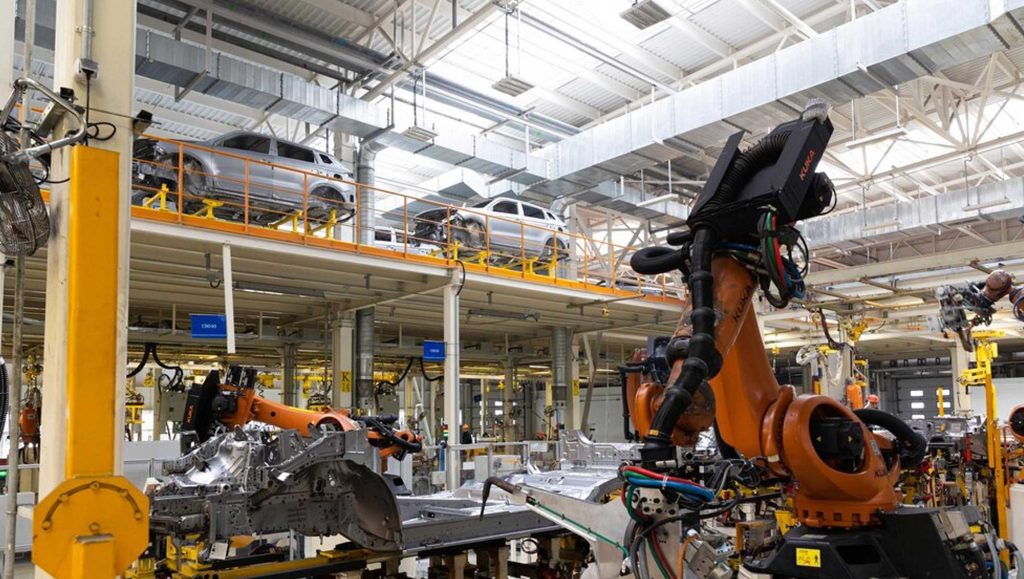
The integration of Artificial Intelligence (AI) in factories is no longer a concept of the future, but a present reality. With an estimated 37% increase in AI implementation in industrial processes, the corporate sector is rapidly evolving. AI is not just streamlining operations and boosting productivity, but it’s also transforming the way factories function.

From predictive maintenance and quality control to supply chain optimization and worker safety, AI is making its mark in every facet of manufacturing. This increasing integration of AI is ushering in a new era of ‘smart factories’, where machines learn, adapt, and enhance efficiency.

Let’s explore how AI is not just transforming factories but redefining the very essence of manufacturing.

Different AI Applications in Manufacturing

Artificial Intelligence (AI) is revolutionizing the manufacturing industry. From enhancing efficiency to predicting outcomes, AI applications are diverse and transformative. Let’s delve into six key applications of AI in manufacturing.

1. Predictive Maintenance:

AI can predict machine failures before they occur. By analyzing data from machine sensors, AI can identify patterns and anomalies that indicate potential breakdowns. This allows for timely maintenance, reducing downtime and saving costs.

2. Quality Control:

AI can improve product quality and reduce defects. By examining images of products on the assembly line, AI can detect and classify defects with greater accuracy than human inspectors. This ensures high-quality products and satisfied customers.

3. Supply Chain Optimization:

AI can optimize supply chains by predicting demand, managing inventory, and planning routes. This leads to reduced costs, improved efficiency, and better customer service.

4. Worker Safety:

AI can enhance worker safety by monitoring the factory environment and identifying potential hazards. It can also provide real-time alerts to workers, helping to prevent accidents and injuries.

5. Energy Efficiency:

AI can optimize energy use in factories. By evaluating energy consumption patterns, AI can suggest adjustments to machinery and processes to reduce energy waste and lower carbon emissions.

6. Customization and Personalization:

AI can enable mass customization in manufacturing. By analyzing customer data, AI can help manufacturers tailor products to individual customer preferences, offering a level of personalization that was previously unattainable.

7. Production Optimization:

AI can significantly enhance production processes by predicting and optimizing production cycles based on various factors such as demand, availability of raw materials, and machine capacity. This leads to reduced production time, minimized waste, and increased throughput.

8. Workforce Training and Skill Enhancement:

AI can be used to develop advanced training programs that can help the workforce adapt to new technologies and improve their skills. By using techniques like virtual reality (VR) and augmented reality (AR), AI can provide immersive and interactive training experiences, thereby improving the efficiency and safety of workers.

Read More: SalesTechStar Interview with Allison Metcalfe, CRO at Cloudinary

Benefits of Implementing AI in Factories

The implementation of Artificial Intelligence (AI) in factories is revolutionizing the manufacturing landscape. But what are the benefits that this technological shift brings? Let’s explore six key advantages.

1. Increased Efficiency:

AI can streamline operations, automate repetitive tasks, and optimize resource allocation. This leads to increased efficiency, reduced waste, and higher productivity.

2. Improved Quality Control:

AI can enhance quality control by accurately detecting defects and inconsistencies. This results in improved product quality, reduced rework, and increased customer satisfaction.

3. Predictive Maintenance:

AI can predict equipment failures before they occur, allowing for proactive maintenance. This reduces downtime, extends equipment life, and saves on repair costs.

5. Enhanced Worker Safety:

AI can monitor the factory environment in real-time, identifying potential hazards and alerting workers. This enhances worker safety and reduces the risk of accidents.

6. Supply Chain Optimization:

AI can optimize supply chains by accurately predicting demand, managing inventory, and planning efficient routes. This results in cost savings, improved customer service, and increased competitiveness.

7. Sustainability:

AI can help factories reduce their environmental impact by optimizing energy use, reducing waste, and promoting sustainable practices. This contributes to the global sustainability goals and enhances the company’s reputation.

Road Ahead for AI in Manufacturing

The road ahead for AI in manufacturing is paved with endless possibilities. As AI continues to evolve, it’s set to transform factories into intelligent ecosystems where machines learn, adapt, and optimize operations. The future will see AI not just as a tool, but as an integral part of the manufacturing process. It will drive predictive maintenance, real-time quality control, and supply chain optimization to new heights. Moreover, AI will play a crucial role in achieving sustainability goals, making ‘green manufacturing’ a reality. As we move forward, the integration of AI in factories will no longer be a competitive advantage, but a necessity. The future of manufacturing is smart, efficient, and sustainable, and AI is leading the way.

Conclusion

AI is not just transforming factories; it’s transforming the entire manufacturing landscape. From predictive maintenance to quality control, AI is making its mark in every facet of manufacturing. As we move forward, the integration of AI will become a necessity, not just a competitive advantage. The future of manufacturing is smart, efficient, and sustainable, and AI is leading the way. Embrace the power of AI and join the revolution. The future is here.

Read More: The Art And Science Of Negotiation In Sales

Liked This Article? Explore More Here:

10 B2B Sales and Marketing Misconceptions

As ...

Building a Winning Tech Stack for Sales and Marketing Collaboration

Sal...

Sales Technology Highlights of The Week: 16-November-2020: Featuring SAP, Adobe,...

In ...
AI in ManufacturingAI transforming factoriesartificial intelligence (AI)Augmented Reality (AR)customer serviceCustomization and Personalizationenergy efficiencyEnhanced Worker SafetyFeaturedhigh-quality productsImproved Quality ControlIncreased efficiencymaintenancepredictive maintenanceproduct qualityProduction Optimizationquality controlreduced reworkreducing downtimesatisfied customers.supply chain optimizationSustainabilityvirtual reality (VR)worker safetyWorkforce Training and Skill Enhancement
  • Account Intelligence
  • Artificial Intelligence (AI)
  • B2B technology
  • Buyer Insights
  • Sales & Marketing
  • Sales Engagement
  • Staff Writers
Share
Related Posts

Socure Acquires Qlarifi, Establishing the First Real-Time BNPL Credit System and Setting a New Standard for Safe, Low-Cost Payments

Lumen Appoints Jim Fowler as Chief Technology & Product Officer

S&P Global Announces Additional Leadership Appointments in Mobility Division

Keeper Security Appoints Veteran Go-To-Market Leader Tim Strickland as Chief Revenue Officer

Socialmobie.com Names Patrick ‘Chief’ Callum as Vice-President of Operations & Development

Stella Legal Names New CTO and Revenue Director as Demand for Production-Ready Legal AI Accelerates

Heineken Appoints New Regional President Americas

  • NEWS
  • INSIGHTS
    • GUEST AUTHORS
    • STAFF WRITERS
    • PODCASTS
      • The SalesStar Podcast – Episodes 201 to 300
      • The SalesStar Podcast – Episodes 101 to 200
      • The SalesStar Podcast – Episodes 001 to 100
  • SALESTECH RADAR
    • Account Intelligence
      • B2B Database & List Services
      • B2B technology
      • Buyer Insights
      • Account-Based Planning
    • Content & Collaboration
      • Content Sharing
    • Contract & E-Signature
      • Identity Management
        • In App Marketing
        • Incentives & Commissions
        • Influencer Marketing
        • Intelligent Assistants
      • Privacy and Regulations
      • Price Optimization & Revenue Management
        • Quote & Proposal
    • Gamification
    • Mobile & Field Sales Enablement
      • Territory & Quota Management
      • Multichannel Orchestration
    • Native & Programmatic Advertising
    • Onboarding & Training
      • Online Meeting & Sharing
      • Forecasting & Performance Management
    • Predictive Analytics
      • Predictive Marketing
      • Pipeline & Analytics
      • Pipeline Management
      • Predictive & AI
    • Proactive Sales Engagement
      • Productivity & Enablement
      • Programmatic Email
    • Sales & Marketing
      • Data Visualization
      • Demand Gen Radio
      • Digital workspace platforms
      • Email Tools
        • Sales Engagement
      • Nimble Sales Intelligence
      • Sales Activity Logging
      • Sales Appraisal
      • Sales Coaching
      • Sales Dialer
      • Sales Intelligence
      • Web & Social Prospecting Tools
      • Scheduling & Appointment Setting
        • Signals & Social Engagement
        • Speech & Conversation Analytics
      • Lead Distribution & Call Management
      • Partner Management & Channel Enablement
        • Product Management
        • People Management
        • Uncategorized
        • Others
    • Salestechstar Podcast 2023
    • Salestechstar Podcast 2024
    • Salestechstar Podcast 2025
  • INTERVIEWS
    • SalesTechStar Interviews
    • The SalesStar Podcast
      • The SalesStar Podcast: Episodes 220 onwards (Year: 2025)
      • The SalesStar Podcast: Episodes 192 to 219 (Year: 2024)
      • The SalesStar Podcast: Episodes 148 to 191 (Year: 2023)
      • The SalesStar Podcast: Episodes 109 to 147 (Year: 2022)
      • The SalesStar Podcast: Episodes 56 to 108 (Year: 2021)
      • The SalesStar Podcast: Episodes 01 to 55 (Year: 2020)
  • SERVICES
    • Editorial
    • Lead Generation
    • Events
  • RESOURCES
    • Ebook
  • Subscribe
  • CONTACT US
View Desktop Version